
News
Bazar Arribas closes after 107 years, leaving Plaza Mayor without one of its most beloved shops
Bazar Arribas, the historic toy shop in Plaza Mayor, will close after 107 years in business following the death of Conchita Arribas Navarro, a key figure in a business tied to the memories of several generations of people from Madrid.
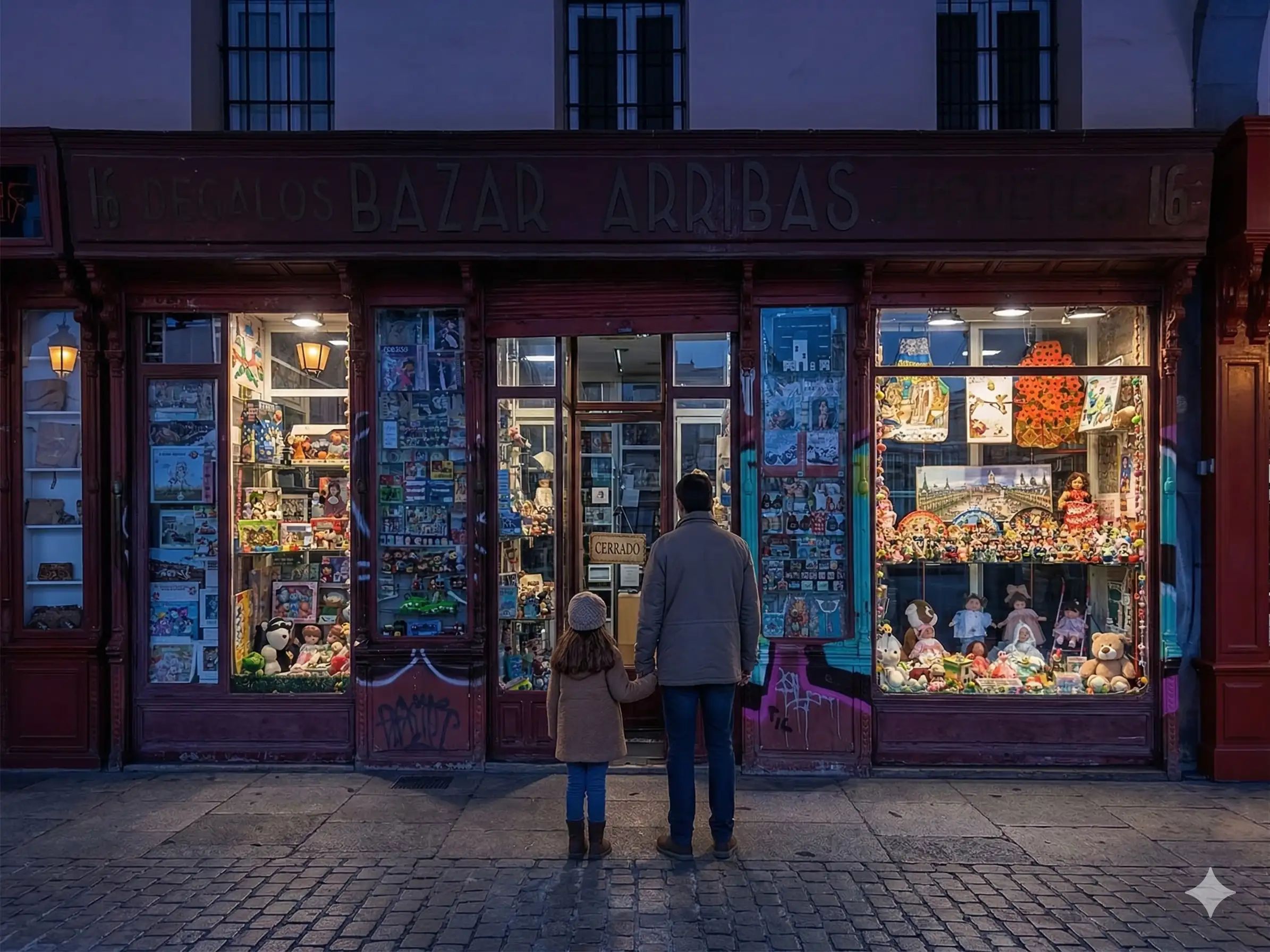
This weekend, the family is clearing all stock with major discounts before the definitive closure on 31 March.
Bazar Arribas is pulling down the shutters after more than a century in Plaza Mayor. The family is bringing an era to an end following the death of Conchita Arribas Navarro. The shop, a witness to generations, says goodbye leaving a void in Madrid’s memory.
Bazar Arribas, the historic toy shop in Plaza Mayor, is facing its final days: the business will close for good on 31 March, after more than a century distributing toys and memories in the heart of Madrid. Until then, the shop is holding a major clearance sale with discounts on all stock, which is bringing many local residents and former customers to come by to say goodbye, make their final purchases and thank the Arribas family for a history that dates back to 1919.
Plaza Mayor is losing one of its most emblematic corners. Bazar Arribas, the toy shop that accompanied the childhoods of thousands of Madrilenians for 107 years, is closing its doors for good. The news, which has spread quickly among local residents and regulars in the city centre, marks the end of an era for those who grew up among its display cases full of balls, trains and dolls.
The decision comes after the death of Conchita Arribas Navarro, the founder’s daughter and the soul of the business for decades. Her family explains that it is not an economic matter, but a life cycle coming to an end. At the entrance to the premises, a handwritten note sums up the feeling: now that grandmother is no longer here, it is also time to say goodbye to the shop.
Founded in 1919 by Juan Arribas Aguado, the bazaar survived the ups and downs of central Madrid and the transformation of local commerce. Four generations maintained the essence of close, specialised service, resisting even the pressure of chains and rising rents. During the pandemic, the neighbourhood rallied around the shop, buying everything from classic games to small souvenirs, simply to support the family.
Management passed from Conchita Arribas to her daughter Marta Rollán, who combined running it with her work as a pharmacist, and later to her grandson Miguel Mauduit, who took over temporarily. The family acknowledges that the true driving force of the business was always its loyal customers, many of whom have returned in recent days to say goodbye and share memories.
The closure of Bazar Arribas means much more than the disappearance of a shop. It is the loss of a space filled with collective memory, where several generations have shared hopes and traditions. Plaza Mayor, used to reinventing itself, now feels the absence of a business that formed part of its everyday identity.
Bazar Arribas was not only a toy shop: it was a meeting point for families, tourists and the curious. Its shop window, always full of colour and nostalgia, reflected the pulse of the city and the customs of every era. Now, the empty premises are a reminder that Madrid changes, but the mark left by places like this remains with those who experienced them.