
News
Collserola’s closure shakes Barcelona after swine fever is detected in the city
Swine fever already affects Barcelona and forces Collserola to close. The first case in the city changes the restrictions map. More municipalities enter the high-risk zone. The impact extends across the metropolitan area. Find out how it affects daily life.
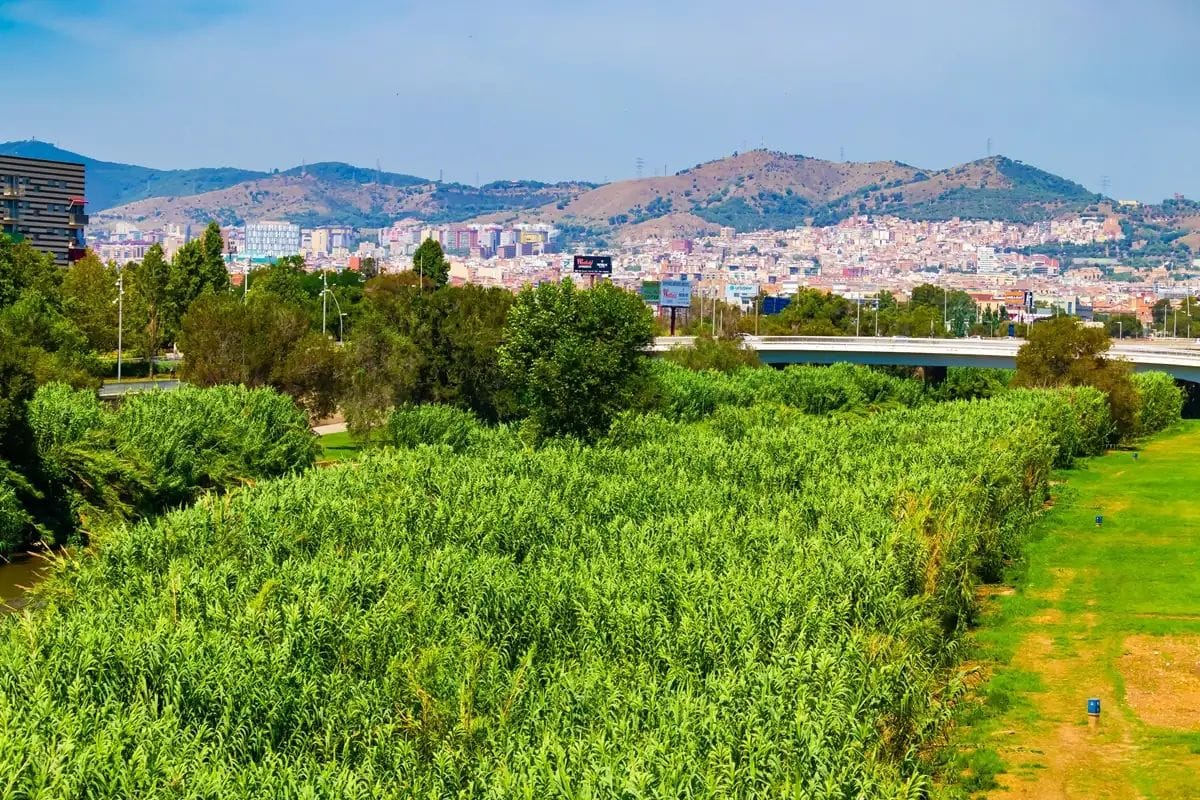
The immediate closure of Parc de Collserola marks a before and after for those who live in or enjoy Barcelona. The detection of the first wild boar infected with swine fever within the municipal boundary has forced drastic measures affecting both residents and regular visitors to the city’s green lung.
Until now, only a small stretch of Collserola, in the Vallvidrera, Tibidabo and Les Planes area, had been under restrictions. However, confirmation of the positive case in Barcelona has expanded the risk perimeter and forced the complete closure of the park, altering the leisure, sport and contact-with-nature routines of thousands of people. In recent days, concern had been growing in the metropolitan area after new cases appeared in nearby municipalities. On 6 March, swine fever was detected in Sant Just Desvern, which also led to Esplugues de Llobregat being included in the high-risk area. Now, the Catalan capital joins a list that continues to grow. With Barcelona, there are now ten municipalities where positive cases have been confirmed: Cerdanyola del Vallès, Sant Quirze del Vallès, Sant Cugat, Rubí, Terrassa, Molins de Rei, Sant Feliu de Llobregat, Sant Just Desvern, Esplugues de Llobregat and the city itself. In addition, eight other municipalities — Badia del Vallès, Barberà del Vallès, Moncada i Reixac, Polinyà, Ripollet, Sabadell, Santa Perpètua de Mogoda and El Papiol — are included in the high-risk area, all subject to the same access and movement restrictions.
The spread of African swine fever around Barcelona affects not only wildlife, but also changes urban life and Barcelona residents’ relationship with their natural spaces. The closure of Collserola is an unprecedented measure intended to halt the spread of the outbreak and protect both animals and the region’s livestock activity.