
News
The closure of Open Bar shakes Barcelona nightlife after two decades
Open Bar, a Barcelona nightlife landmark, has closed after 21 years. Property pressure and bureaucracy forced its farewell. The neighbourhood loses another emblematic space. The future of independent bars is in doubt.
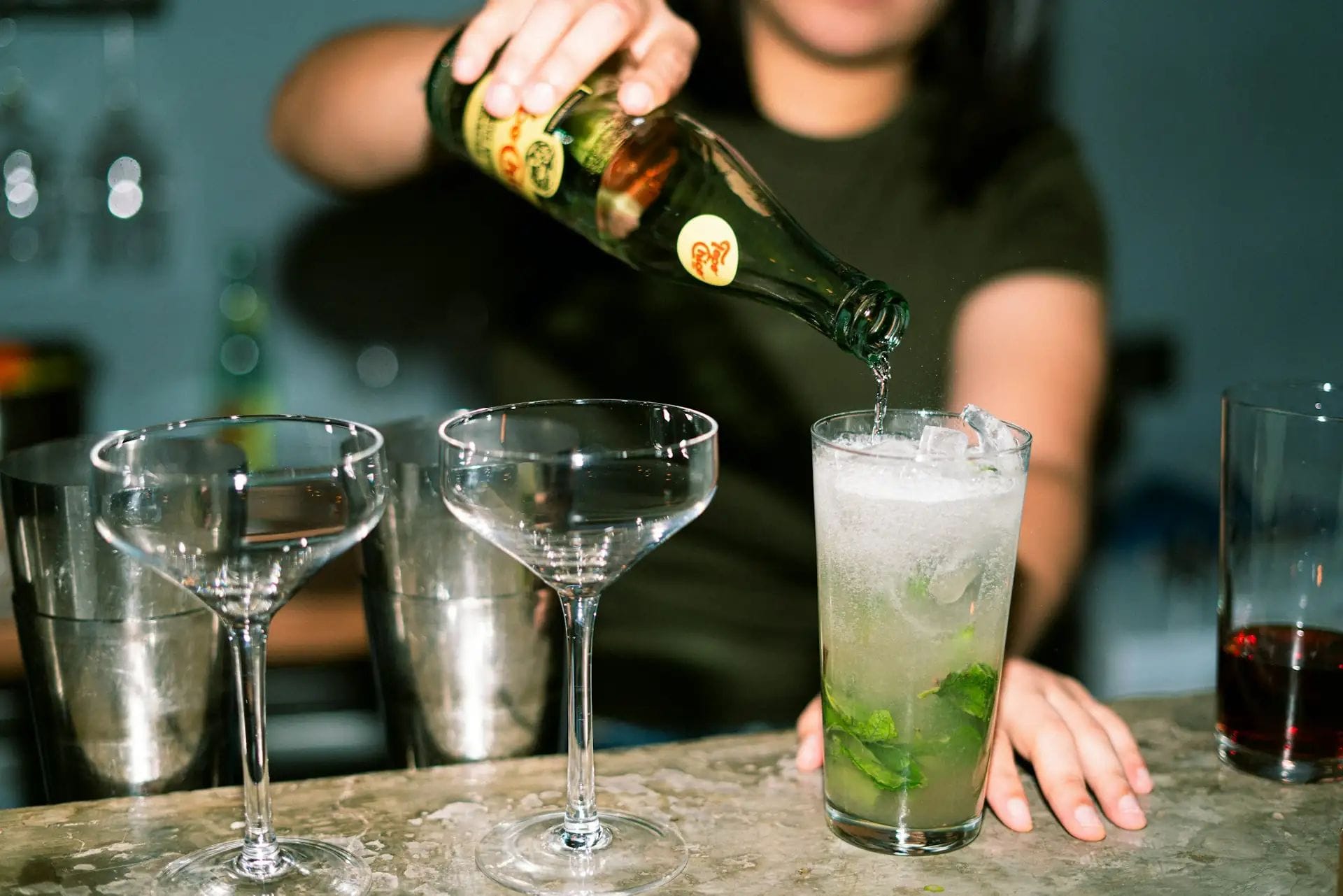
Open Bar, a nightlife landmark in Barcelona, has closed after 21 years. Property pressure and bureaucracy have forced its farewell. The neighbourhood loses another emblematic space. The future of independent bars is in doubt.
Open Bar, one of the most iconic venues in Barcelona nightlife, has pulled down the shutters after more than two decades of history. Its disappearance not only leaves those who frequented it bereft, but also reflects the increasing difficulty of keeping independent businesses open in central Barcelona.
Over the past year, the bar has suffered constant pressure from the new owner of the building, a hotel that acquired the entire property. Structural problems, such as leaks and water ingress caused by poorly executed works, have forced it to close repeatedly, with the resulting loss of income. The situation has become unsustainable, and not only for Open Bar: five other premises on the same block have also been affected.
The owner, resigned, has accepted compensation and handed over the keys this week. A sense of foul play by the property hangs over the closure, but the reality is that opening or keeping a bar in Barcelona has become an obstacle course. Municipal bureaucracy, neighbours' complaints and strict noise regulations make the survival of small businesses even more difficult.
The current landscape favours large chains and business groups, able to withstand initial losses and navigate legal procedures. For self-employed people and families who stake their savings on their own project, the risk is increasingly high. Many choose not to try again, aware that the city has become unfriendly to those who want to start a business in the nightlife sector.
The closure of Open Bar adds to a worrying trend: of the around 30 music bars and six nightclubs that enlivened the area at its peak, today barely a dozen venues and three clubs remain. Every closure is a loss for Barcelona's nightlife and identity.
Open Bar was not just a place to have a drink; it was an intergenerational meeting point, witness to thousands of stories and unforgettable nights. Its absence leaves a void that is difficult to fill in the heart of the city.
In Barcelona's urban fabric, traditional bars have been much more than simple businesses. They have functioned as spaces for socialising, culture and resistance to the homogenisation of leisure offerings. Property pressure and the transformation of the centre have accelerated the disappearance of these venues, which for years have given personality to entire neighbourhoods. The loss of reference points such as Open Bar shows the challenge of preserving the diversity and authenticity of Barcelona nightlife in a context increasingly hostile to small entrepreneurs.