
News
Teatro Barceló closes in Madrid and its sale leaves the future of a nightlife icon uncertain
The closure of Teatro Barceló following penalties for exceeding capacity, and the building being put on the market, reopen the debate about the future use of one of Madrid’s most symbolic nightlife venues.
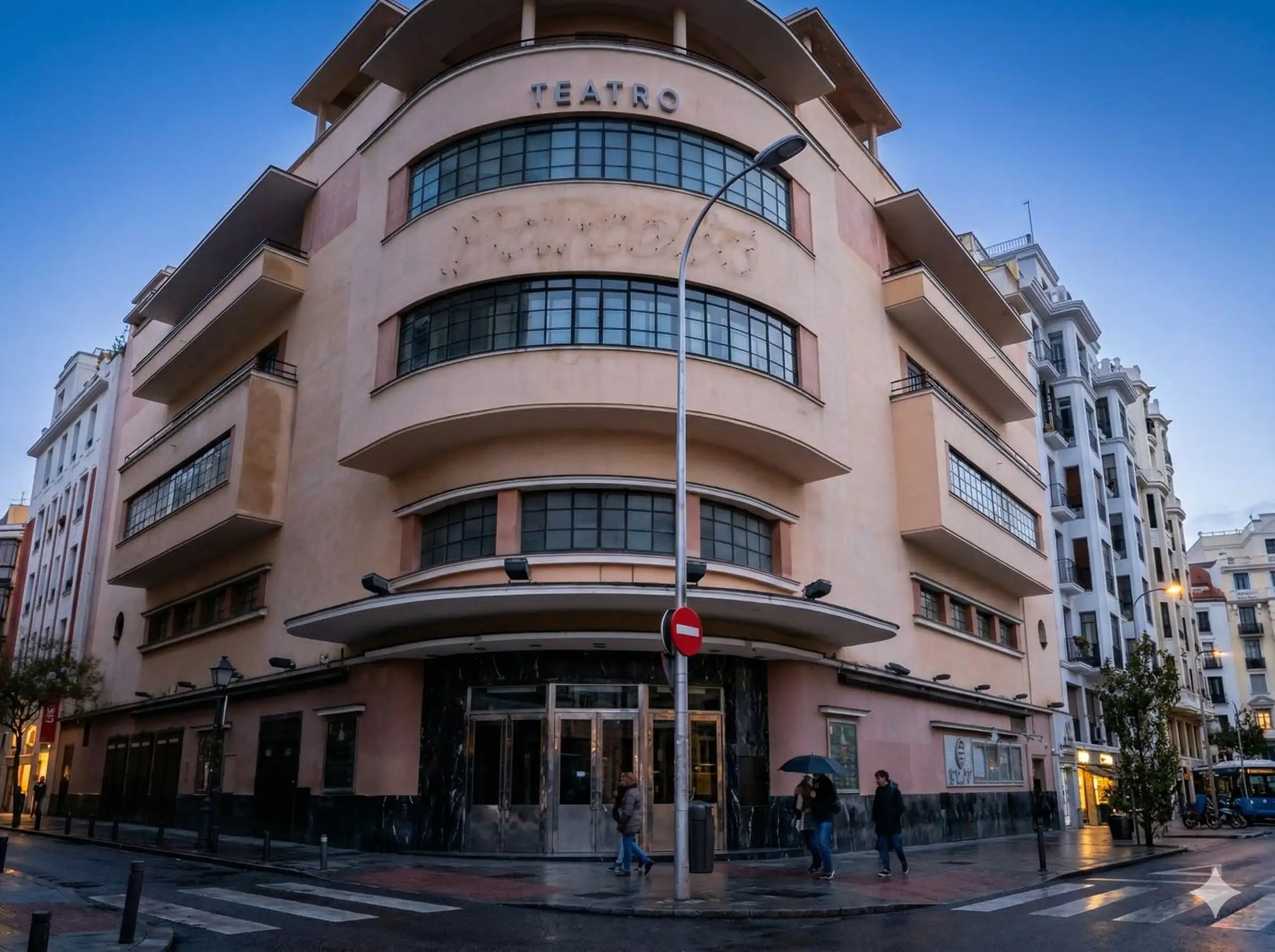
Teatro Barceló, an icon of Madrid nightlife, closes after capacity sanctions. Its sale raises questions about the building’s future. The change affects leisure, culture and collective memory in central Madrid.
The closure of Teatro Barceló marks a before and after in Madrid’s nightlife and cultural life. The emblematic building, located beside Tribunal station, has ceased to be a meeting point after the municipal sanction that forced it to pull down the shutters for a year for exceeding permitted capacity on two occasions. Now, its sale puts the fate of one of the centre’s most recognisable spaces at stake, with a direct impact on leisure plans and the city’s cultural calendar.
Since its inauguration in 1930, the building has changed its skin several times. It began as a cinema, became a theatre in the seventies and, from 1980, became an epicentre of the Movida Madrileña under the name Pachá. International figures and leading names in Spanish culture passed through its rooms, cementing its reputation as a place to meet and celebrate. After the Pachá era, it recovered the Teatro Barceló identity and remained a fixture of Madrid nightlife until the closure decreed in November.
The sanction came after two episodes of overcrowding, one in December 2022 and another in February 2023, both with more than 1,500 people inside. This situation has brought the so-called “capacity crisis” to the fore, a conflict between promoters and the City Council over venue maximum capacity and safety conditions. Meanwhile, uncertainty over the building’s future is growing, as the property firm Savills offers it as an ideal space for new cultural or entertainment projects, or hybrid formats.
Teatro Barceló’s property value is undeniable: few buildings of that size and in that location remain vacant in the centre. However, any transformation will have to respect its protection as a Bien de Interés Cultural, which requires the preservation of the façade, structure and relevant interior elements. The City Council is considering residential uses, but any change will need authorisation from the Comunidad de Madrid, adding complexity to the process.
Teatro Barceló is much more than a building: it is part of the collective memory of several generations in Madrid. Its façade, almost unchanged since the thirties, has witnessed social, musical and urban changes. The city is already beginning to move in that direction, seeking new spaces and formats to keep alive the cultural energy that has always characterised this corner of Malasaña.
Sale and key data (5 Apr 2026): Savills is marketing 2,589 m² (~€24M 2022); closed Nov 2025 (2 fines 2023: +600 capacity 990). BIC 2023: façade preserved. History: cinema 30s → Pachá Movida → Barceló. Options: cultural/hotel.