
News
The closure of the Rubí tunnel puts Barcelona's rail logistics at risk
The Rubí rail tunnel will be closed for almost two months. Freight traffic between Barcelona and France will be interrupted. Companies and hauliers fear serious logistical consequences. Alternatives are limited and the AP7 is already congested.
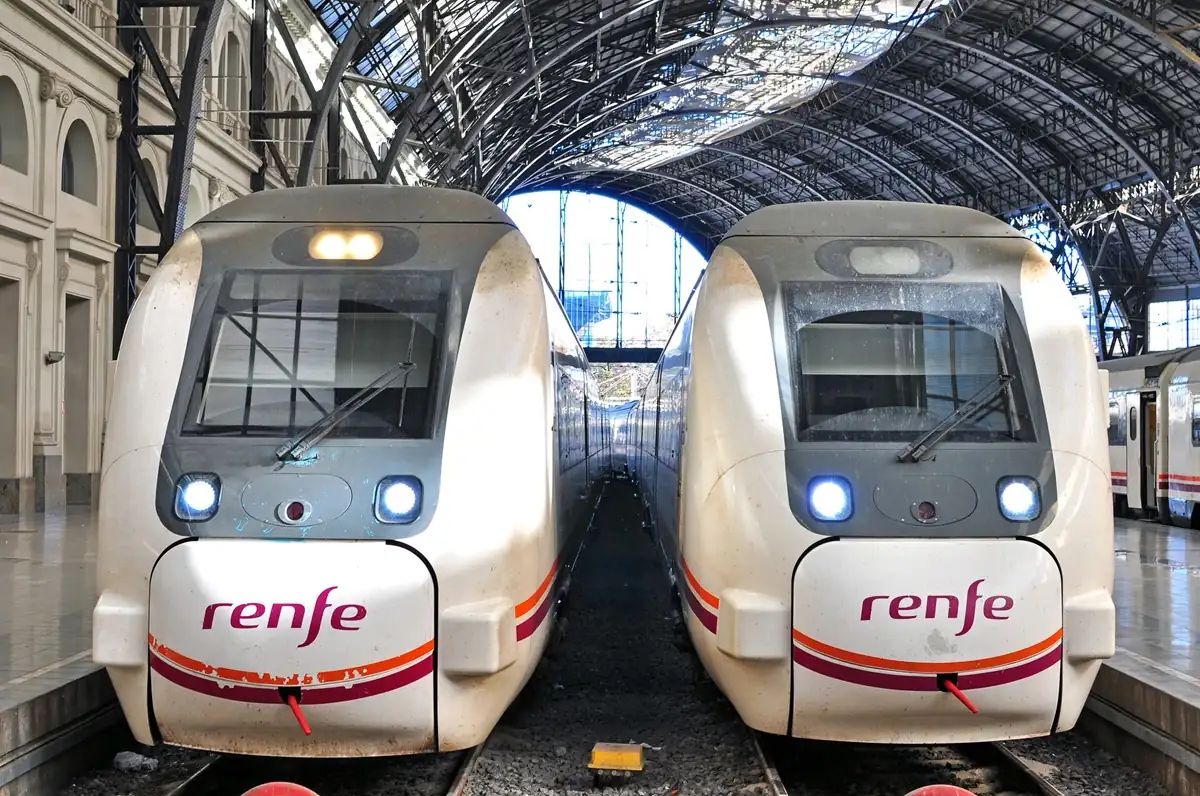
From 14 March, the Rubí railway tunnel will remain closed for nearly two months for urgent reinforcement works after serious cracks and deformations were detected in the vault (more than 30 sensors exceeded safety limits). There is no risk of immediate collapse, but rail freight traffic will be completely interrupted.
This section is crucial for connecting the ports of Barcelona and Tarragona with Europe: the railway carries more than 220,000 containers and nearly 300,000 vehicles a year from the Port of Barcelona (12% of containers and 45% of vehicles). Its closure creates an unprecedented bottleneck in regional logistics.
The alternatives are limited: Iberian-gauge trains via Montcada-Manresa-Lleida (with load and length restrictions) and international-gauge trains diverted via the La Llagosta terminal. Much of the freight will not be able to travel by road (the AP-7 is already saturated with 25,000 lorries a day) because of weight, dimensions or soaring fuel costs.
The logistics sector and Catalan employers’ associations warn of the serious impact on competitiveness and the regional economy. This new closure highlights the urgent need for investment in infrastructure and contingency plans to avoid recurring blockages in the supply chain. A closure that will affect companies, carriers and prices across Catalonia: the railway’s reliability is at stake over these two months.