
News
The debate over rubber in Madrid parks divides residents and technicians
The type of surface in children’s playgrounds is once again causing debate in Madrid. The proposal to replace sand with rubber at José María Íñigo park in Fuencarral-El Pardo has pitted residents against municipal technicians, reopening a discussion that directly affects families and the everyday use of these spaces.
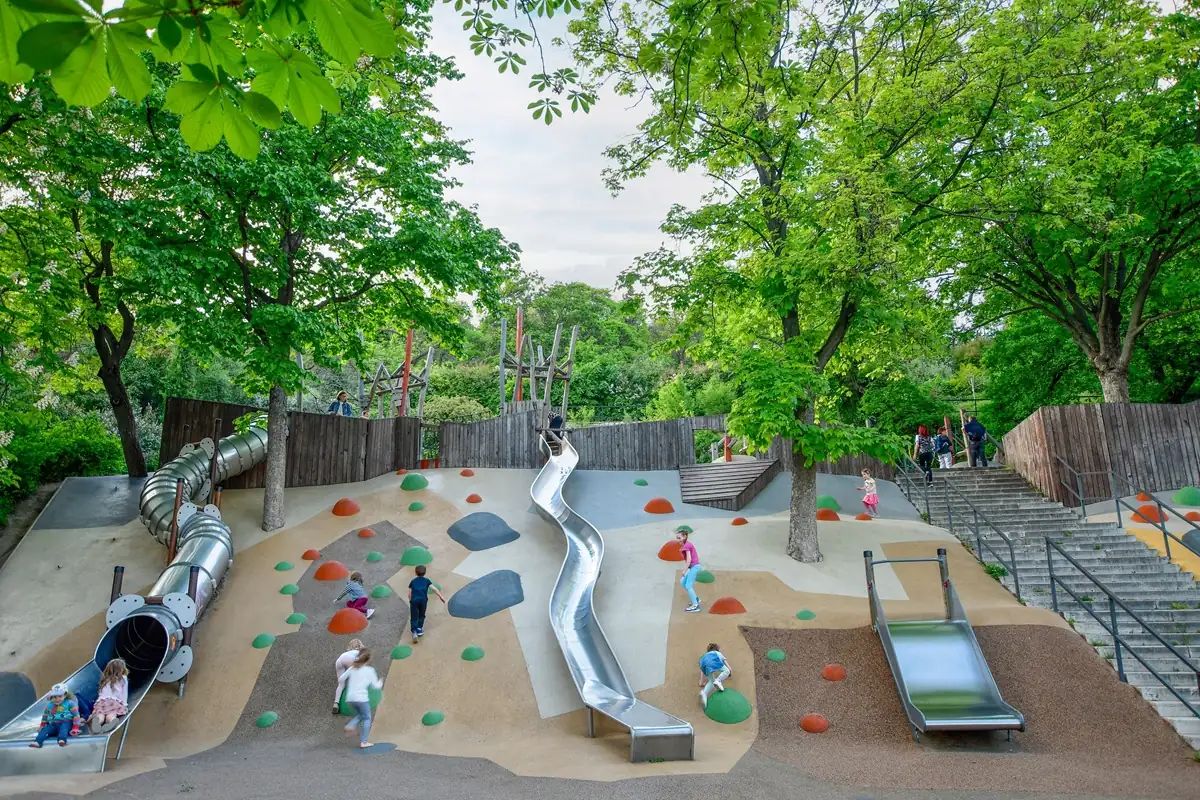
The residents' request stems from a practical problem. The sandpit shows signs of deterioration and the presence of cats has raised doubts about hygiene. For many residents, rubber would be a cleaner and safer solution, especially for very young children.
However, the City Council has chosen to halt the change. A technical report warns that rubber requires a good drainage system and constant maintenance to prevent deterioration. It also notes that, under certain conditions, it could release unwanted compounds, although the risk is low.
The decision has surprised part of the neighbourhood, above all because this material has been installed in other parks in Madrid. This has fuelled a sense that there is no single criterion and intensified the debate over which park model is most suitable.
Beyond this particular case, the issue reflects a broader urban dilemma: how to balance safety, hygiene and maintenance in heavily used public spaces. In areas such as Fuencarral-El Pardo, where these parks shape the daily lives of many families, any change has a direct impact on coexistence.
The debate about sand or rubber goes beyond the material. It speaks to how children's spaces are designed in the city and what priorities are set to ensure that they remain safe, accessible places designed for those who use them most.