
News
Madrid's cold weather programme added more places and expanded its coverage
The municipal programme provided 472 places per day, with more resources for guesthouses and social emergencies. Support included overnight accommodation and individual interventions to support each user's autonomy.
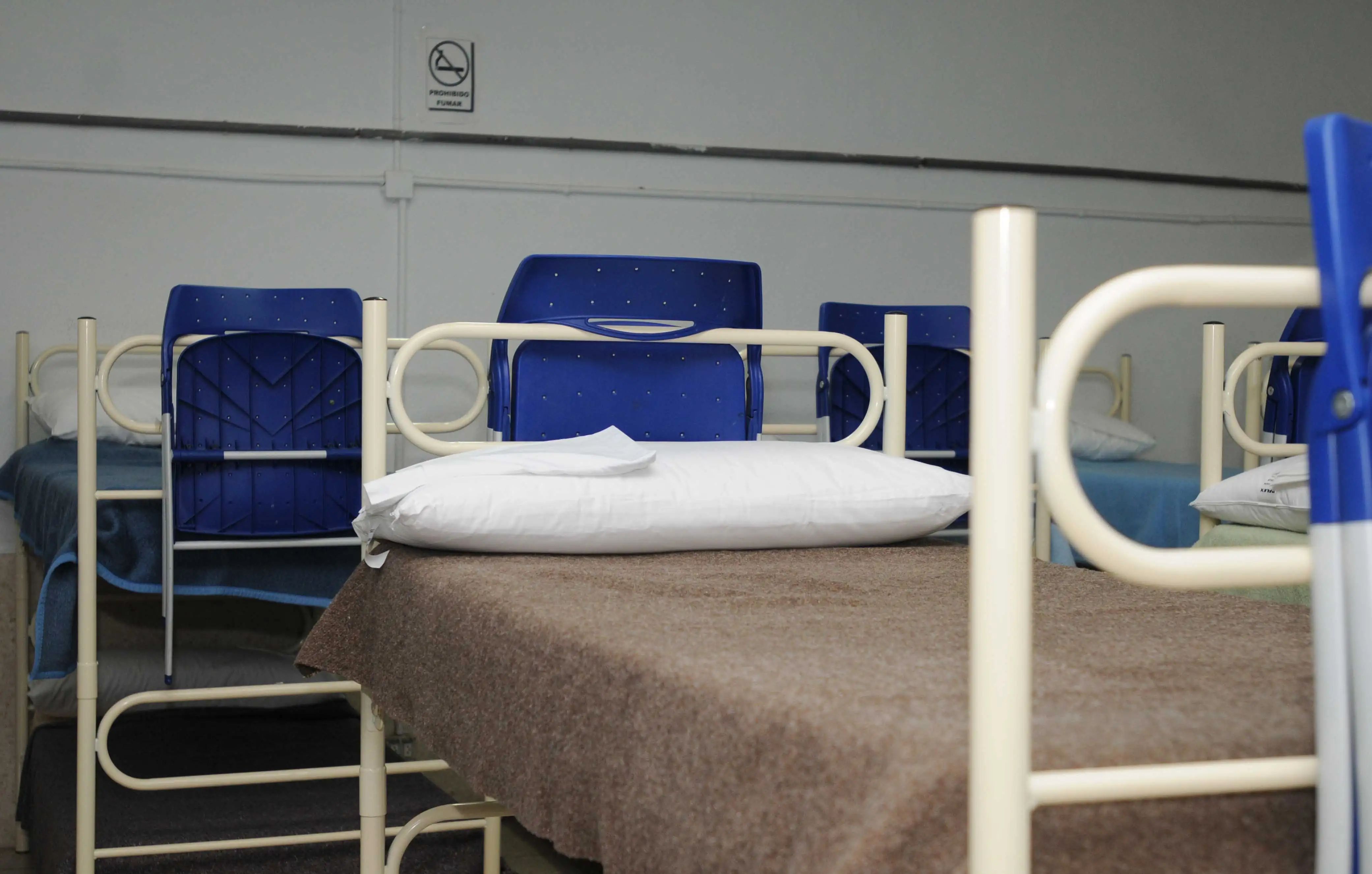
One in four people assisted during the municipal winter campaign managed to leave homelessness behind. According to the report, 281 people were referred to a permanent place within the Red Municipal de Atención a Personas Sin Hogar, and 51 moved on to independent living.
The City Council launched that edition with 472 daily places, 40 more than the previous year. To fund the programme, it allocated 3 million euros as part of a 6.1 million euro contract over two years.
The places were distributed among different resources. Guesthouses offered 150 places, up from 120 the previous year; the Centro Municipal de Urgencias Sociales provided 30, ten more than before. The Centro de Acogida de Emergencia Pinar de San José had 150 places, and the Vallecas centre had 142.
The Pinar de San José day centre increased its capacity from 40 to 50 places to support users with greater vulnerability. In addition, 24 extra places could be activated for up to 90 days during episodes of severe cold. Priority for access and extended stays was given to people under 30, over 65, those with serious health conditions, low autonomy, and women.
According to municipal data, 51% of those assisted were homeless and 49% were in socio-residential exclusion. Fernández noted that the profile had shifted towards people in less deteriorated situations and that the presence of women was increasing, although men were still the majority.
Support included overnight accommodation and meals, as well as basic healthcare and social and psychological support. Each user received individualised intervention aimed at improving their quality of life and regaining autonomy. The campaign team consisted of 58 professionals, six more than the previous year. Seven social workers coordinated admissions from the Central del Samur Social; nine people were referred to care homes and 15 received support for voluntary return to their country of origin.