
News
Laia Abril exhibits in Madrid a work about the invisible pain of endometriosis
Laia Abril arrives in Madrid with an exhibition that addresses a pain often overlooked. The artist presents at the Museo del Romanticismo a work dedicated to endometriosis, a disease that affects millions of people and still suffers from late diagnoses, misunderstanding, and silence.
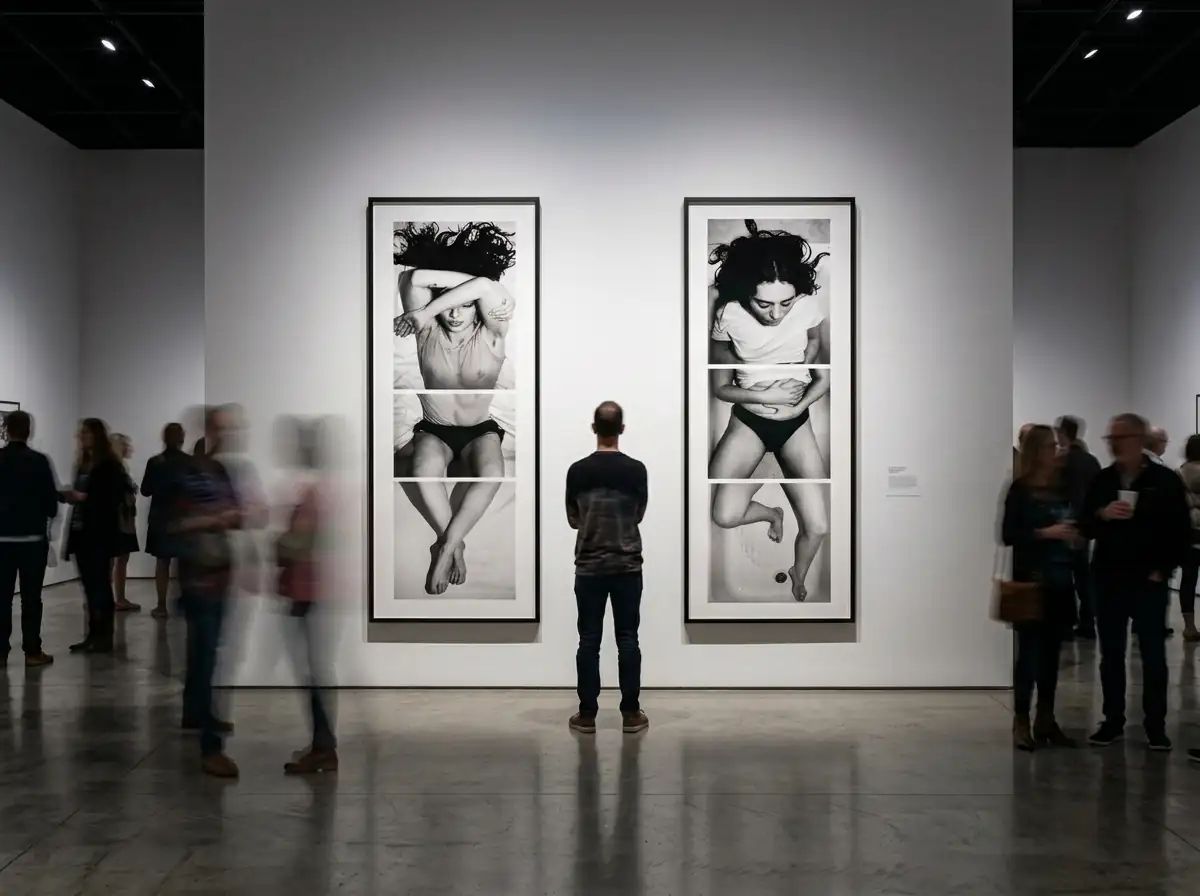
The exhibition is part of PHotoEspaña and is entitled Endiometrosis. The Silenced Pain 1860–2026. In it, Abril uses photography to turn a physical and emotional experience into an image that is hard to avoid: bodies doubled over, hands on faces, gestures of exhaustion and scenes of everyday vulnerability.
The exhibition consists of seven triptychs portraying six women and one trans man. They do not seek to explain the illness from a medical perspective, but to show what is often left outside the consultation room: pain experienced in bed, in the bathroom, alone or under the feeling of not being believed.
Abril also draws on her own experience. The artist has said that she came to mix her tears with the chemicals used in the photographs, a gesture that reinforces the intimate nature of the work and makes the creative process part of the story.
Endometriosis was first described in 1860, but it remains an underdiagnosed disease with little social recognition. The World Health Organization estimates that it affects around 190 million women and girls of reproductive age worldwide, although its real impact also extends to trans and non-binary people with a uterus.
The exhibition engages with an increasingly visible conversation about menstrual pain, gynaecological health and the tendency to downplay symptoms that shape everyday life. The underlying message is clear: pain should not be normalised or reduced to something endured in silence.
The Museum of Romanticism also provides a particular contrast. In a space associated with historic interiors, portraits and women’s lives in the 19th century, Laia Abril’s work introduces a contemporary pain that also speaks of memory, the body and representation.
The exhibition adds a cultural proposal that goes beyond aesthetic contemplation. It invites viewers to look directly at a common, poorly understood and profoundly everyday illness. And it reminds us that a museum can also serve to name what many people have lived with for years without being listened to sufficiently.