
News
Universities and research already generate more than €10.6 billion in Barcelona
Barcelona does not live solely on tourism, services or major events. There is also a less visible but enormous economy that moves between campuses, laboratories, libraries, conferences and research centres. In 2023, universities and public research generated €10.6 billion in the Metropolitan Region, a figure equivalent to 4.1% of local GDP.
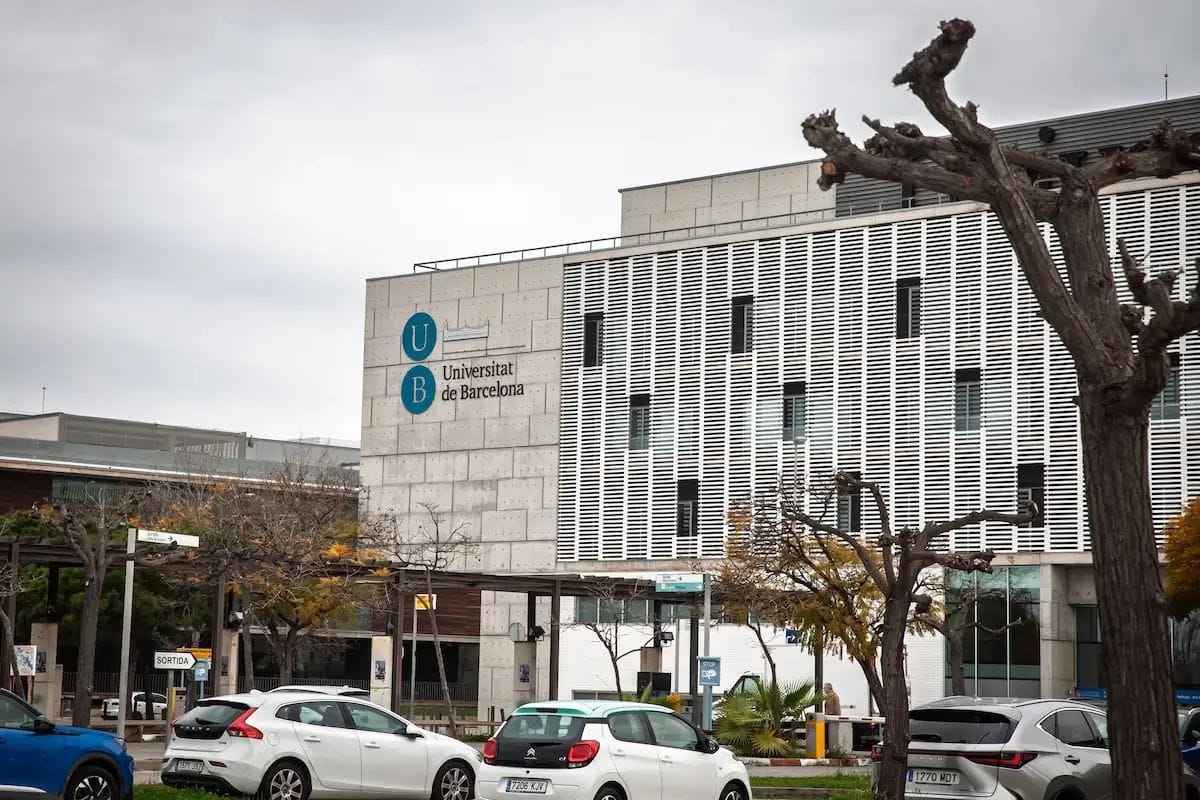
The figure appears in the report Impacte econòmic del conjunt del sistema universitari de la Regió Metropolitana de Barcelona, prepared by AQR-Lab at the University of Barcelona for the City Council. It is the first time that the impact of universities, research centres, companies linked to the academic environment, students and visitors associated with congresses or scientific conferences has been measured jointly.
The result helps put numbers to something that often remains outside urban debate: knowledge also pays salaries, fills homes, moves transport, generates consumption and sustains activity in entire neighbourhoods. According to the study, this ecosystem supports 147,826 full-time jobs, around 5% of the employed population in the metropolitan area.
Total turnover linked to the sector reached €16.249 billion in 2023. Translated to a more everyday scale, that is around €44.6 million a day associated with universities, research, businesses, students and academic activity. It is not an abstract figure: it ends up having an impact on cafés, bookshops, rents, suppliers, professional services, technology, restaurants and mobility.
The report also calculates that every euro generated directly by the university and research system is multiplied to produce between €1.9 and €2.3 in the economy. That knock-on effect explains why a laboratory, campus or research centre does not function as an isolated part, but as an engine that activates many surrounding sectors.
The public share remains predominant: it represents 72% of the total impact. The remaining 28% comes from private universities, associated companies and activity linked to the university environment. For the City Council, these data reinforce the strategy of positioning Barcelona as a city of knowledge, with projects such as Barcelona Impulsa and Ciutadella del Coneixement.
The underlying reading is clear: university is not just a place students attend for a few years. In Barcelona, it is an economic, scientific and social infrastructure that attracts talent, generates skilled employment and helps diversify the city model. At a time when housing, tourism and wages are so widely discussed, knowing how much knowledge contributes makes it possible to look at the urban economy from another angle: not only how much is consumed, but what is learned, researched and created here.