
News
The Eixample faces the greatest pressure from tourist flats in Barcelona
The Eixample is once again at the centre of the debate about tourist flats in Barcelona. A neighbourhood analysis indicates that the district accounts for almost half of the city’s legal tourist-use homes, a pressure that concerns residents and neighbourhood organisations.
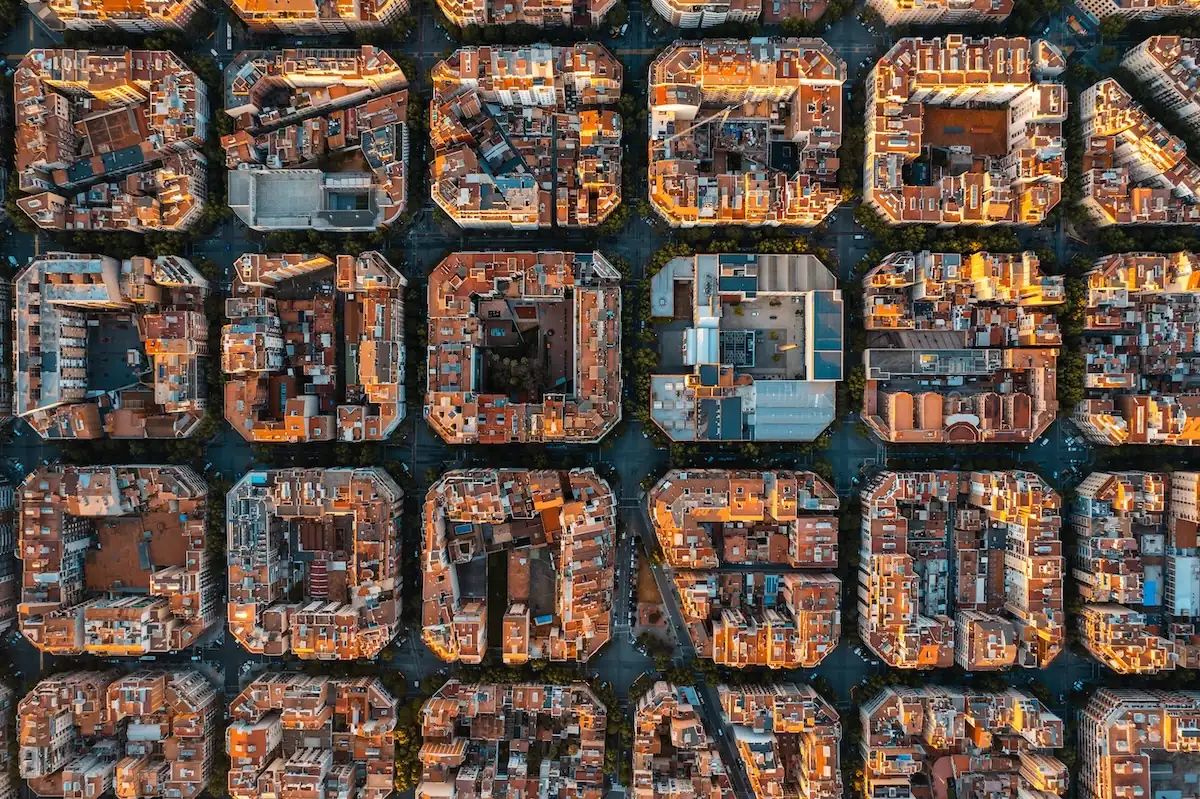
According to data collected by the FAVB, Barcelona has 10,730 legal tourist apartments, with 46% located in the Eixample. This puts the district well ahead of Sants-Montjuïc, which accounts for 12%, and Gràcia, which is around 10.5%.
The prominence of the Eixample comes as no surprise to many residents. Its central layout, proximity to landmark areas, public transport connections, and abundance of buildings with multiple dwellings make it a particularly attractive area for tourist accommodation.
The concentration affects more than just the property market. In many communities, the constant arrival of visitors changes daily life: more suitcases in the entrances, noise, a high turnover of people, fewer long-term neighbours, and a growing sense that some buildings function more as accommodation than as homes.
The analysis also highlights extreme cases, such as buildings with dozens of tourist apartments in a single property. For neighbourhood associations, these hotspots best illustrate the real impact of the phenomenon: it is not just about overall numbers, but about stairwells where coexistence is completely transformed.
The debate comes as the countdown to 2028 continues. The Ayuntamiento de Barcelona is sticking to its plan not to renew tourist apartment licences and to return thousands of homes to residential use from November that year. The measure aims to ease pressure on rentals and recover housing for people who live in the city.
Neighbourhood organisations, however, are calling for vigilance. They fear that some operators may try to convert these properties into student residences, seasonal rentals, or other arrangements that maintain the tourist logic without addressing the need for permanent housing.
The situation paints a clear picture of the urban problem facing Barcelona: tourism is not spread evenly across the city. In the Eixample, the combination of appeal, centrality, and profitability has turned many homes into pieces of an economy that residents feel is increasingly close to their doorstep.