
News
The therian phenomenon: young people with animal masks and Madrid's pulse
A small group of teenagers wearing animal masks has caught attention in central Madrid. The expectation greatly exceeded the reality, but the debate over identity and social media continues to grow.
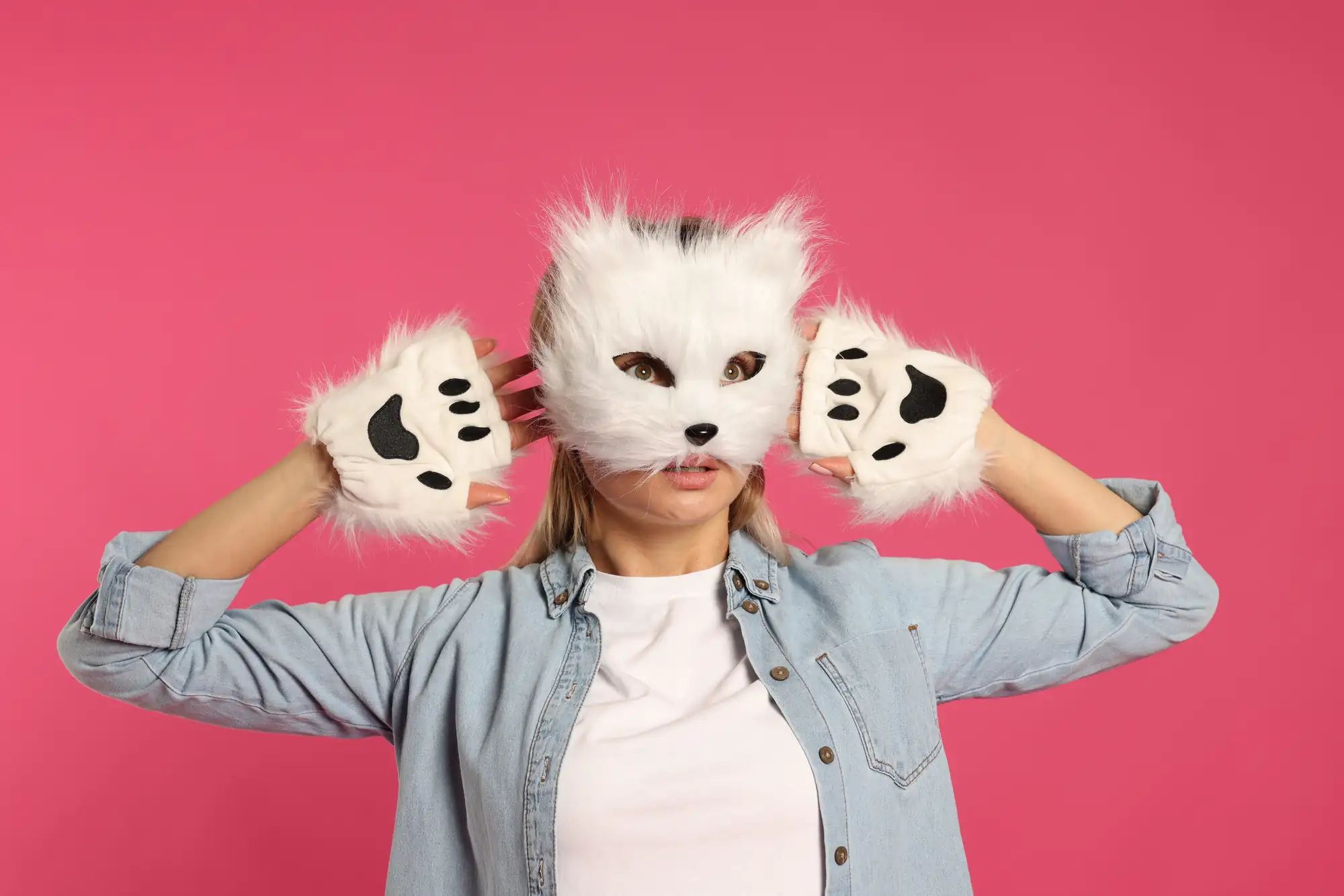
Last weekend, Puerta del Sol became the scene of an unusual sight: a teenager, wearing a worn hoodie and a white wolf mask, crouched in the centre of an improvised circle of onlookers. Some laughed, others recorded on their phones, and there were plenty who looked on in bewilderment. The young person imitated animal movements, walked on all fours and, for a few minutes, was the centre of all eyes.
The scene was part of a gathering of therians, a youth subculture of people who feel a spiritual connection to certain animals and express it through masks and gestures. Although social media made it seem as though the phenomenon was sweeping across Spain, the reality was much more modest: barely a handful of participants in Madrid, even fewer in Segovia and Salamanca, and in Barcelona they did not even manage to gather. However, anticipation was enormous. In the Catalan capital, police had to intervene to disperse groups of teenagers who came only to watch or record.
Most attendees were not therians, but onlookers and content creators looking for the next viral trend. Social media, especially TikTok and Instagram, have amplified the visibility of these gatherings. Short videos of young people in parks and shopping centres, always with masks and animal gestures, have been repeated ad nauseam, creating the impression of a mass movement that barely exists in the street.
Among the therians themselves, the experience has been bittersweet. A 15-year-old girl, behind her fox mask, admitted that she felt overwhelmed by the attention and the mocking tone of many present. What for her was an opportunity to meet others with similar interests became someone else's spectacle, surrounded by mobile phones and unkind comments.
Virality has also brought hoaxes and exaggerations. Rumours circulated about alleged financial assistance for those who identify as therians and manipulated videos that fuelled political debate. Some commentators took the opportunity to present the phenomenon as a symptom of social decline, although the reality is far less alarming: it is a small group, with harmless practices and no major impact on urban life.
The case of therians in Madrid illustrates how a trend can grow online and fizzle out in the street. The city, accustomed to absorbing new fashions and youth expressions, observes how media attention and collective curiosity can turn a minority gesture into a topic of national conversation, even if only for a few days.
Puerta del Sol, the epicentre of gatherings and demonstrations in Madrid, has seen all kinds of cultural and social expressions pass through. Its location, in the very heart of the city and with easy access from any neighbourhood, makes it a reference point for those seeking visibility or simply a place to be seen. It is not unusual for new youth trends to choose this space for their first public appearances. Madrid is already starting to move in that direction: what happens in Sol, even if fleeting, usually sets the city's pulse.