
News
Line 11 becomes more complicated and forces Madrid to seek another route
The extension of Metro Line 11 has once again encountered a major obstacle. The Ministry of Defence has issued a negative report on the planned route between La Fortuna and Cuatro Vientos, forcing the Community of Madrid to review its plans and find an alternative so that the south-west neighbourhoods are not left without their promised connection.
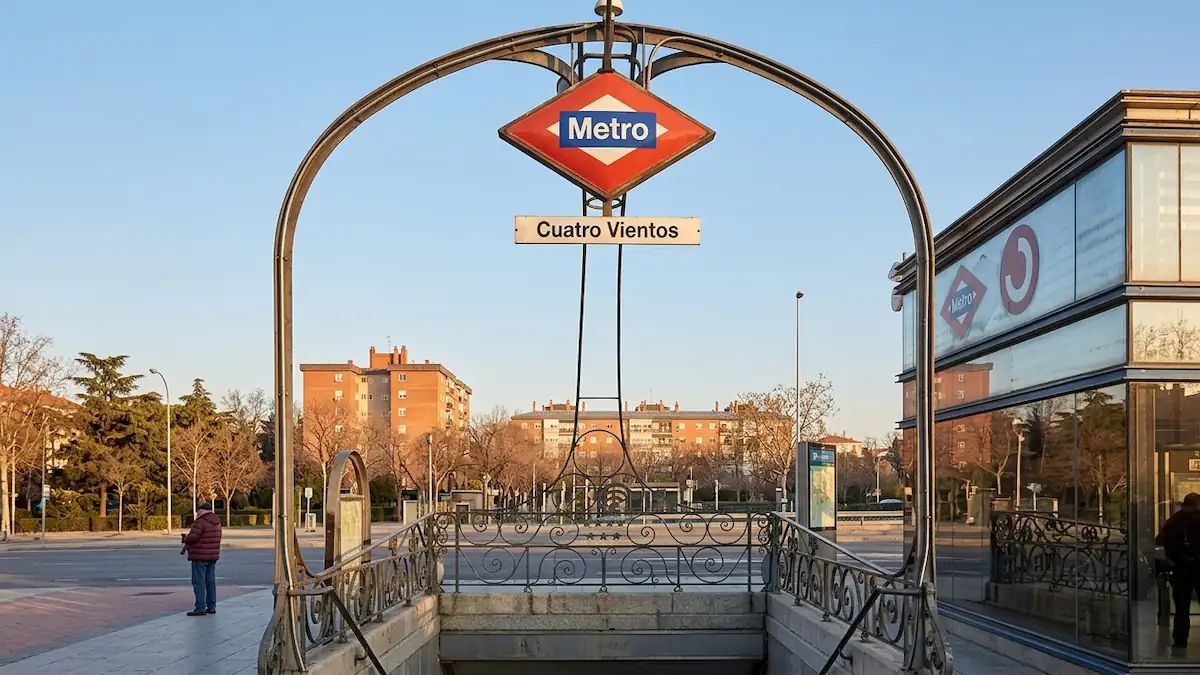
The affected section was a key part of the project. The initial plan envisaged a 2.2-kilometre tunnel beneath military land and the creation of an interchange station at Cuatro Vientos, but the impact on the air base has halted that solution.
Defence’s rejection does not only complicate reaching Cuatro Vientos. It also leaves the possible extension to Las Águilas up in the air, as it depended on that corridor to fit into the line’s future route. The project will now have to return to the drawing board.
The immediate consequence will be a delay to the timetable. Drafting of the construction project is extended by eight months, until February 2027, to analyse the reports received and assess which technical alternatives can maintain the connection without affecting sensitive land.
The Consejería de Transportes insists that the Defence report is decisive and that all options will be reviewed using technical criteria. Planned investment for the extension of Line 11 exceeds 740 million euros and forms part of a far more ambitious operation: creating a major Metro diagonal between Cuatro Vientos and Valdebebas.
That future line would have 33 kilometres, 20 stations and seven interchanges, with the intention of linking parts of Madrid that today require detours, changes or long journeys. For many southern and eastern neighbourhoods, the L11 is presented as an opportunity to save time and depend less on the car.
While the section towards Cuatro Vientos is resolved, works between Plaza Elíptica and Conde de Casal continue. That corridor includes more than six kilometres of tunnel and five stations, two of them new, and is expected to be ready in 2027.
The major Metro diagonal remains one of the most important promises for mobility in Madrid, but Defence’s setback shows that the project still has difficult pieces to fit together. Residents in the south will have to wait longer to learn where a line intended to change their daily journeys will finally run.