
News
The end of tourist flats puts pressure on Barcelona’s tourism model
Barcelona is preparing for one of the most important changes to its tourism model. The removal of around 10,000 tourist-flat licences in 2028 could alter the accommodation supply, affect major events and open a new battle between housing, tourism and the local economy.
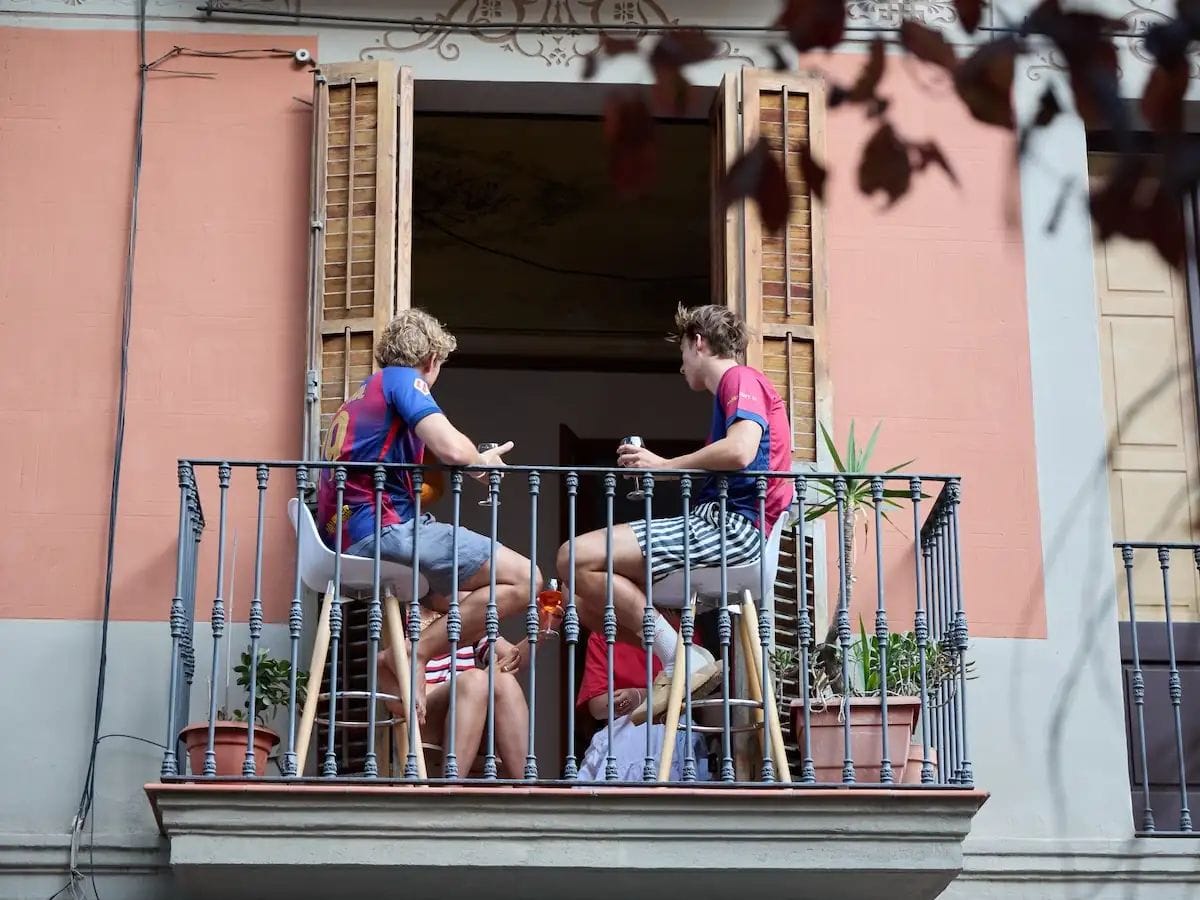
The Ayuntamiento defends the measure as a way to recover housing for residential use and ease the pressure on neighbourhoods. The sector, on the other hand, argues that the disappearance of legal tourist apartments could leave the city with less capacity to absorb peaks in demand during congresses, fairs, concerts, or major institutional visits.
Apartur, the association that brings together tourist apartment operators, warns that Barcelona could lose up to 40% of its accommodation capacity. Its general director, Marian Muro, maintains that the impact would not be limited to property owners, but would also affect shops, restaurants, services, and jobs linked to the flow of visitors.
According to industry data, the city would lose around 70 million euros in tourist tax revenue and up to 40,000 jobs could be affected. Apartur also points out that tourist apartments represent around 1% of the housing stock, a figure it uses to question whether their elimination alone will solve the problem of access to housing.
The debate touches on one of the most visible tensions in Barcelona. The city wants to reduce tourist pressure on residents, but at the same time maintains a calendar of major events that attract thousands of people throughout the year, from the Mobile World Congress to cultural, sporting, or institutional events.
Tourist apartments also have a different user profile from traditional hotels. Families, groups, people travelling for medical treatment, or those attending long events often choose this type of accommodation for the space, kitchen, or flexibility. The question is what alternatives will be available if this option suddenly disappears.
The sector also warns of a possible unintended effect: that some of the demand could shift to illegal accommodation if there is not enough regulated supply. The Ayuntamiento, for its part, insists that the priority must be to protect regular housing and limit tourist use in a city where prices are increasingly under pressure.
The challenge will not only be deciding how many tourists the city can accommodate, but how to do so without disrupting everyday life in the neighbourhoods. The disappearance of legal tourist apartments may change the accommodation map, but the underlying debate will remain: housing, the economy, and coexistence are all competing for the same urban space.