
News
Peironcely 10 reopens in Madrid, reigniting the clash between historical memory, cultural management, and the legacy of Robert Capa
The future of Peironcely 10 once again pits two visions of Madrid's memory against each other in Vallecas: creating a space linked to Robert Capa, or the municipal plan for a centre for artistic experimentation for young people at risk of exclusion.
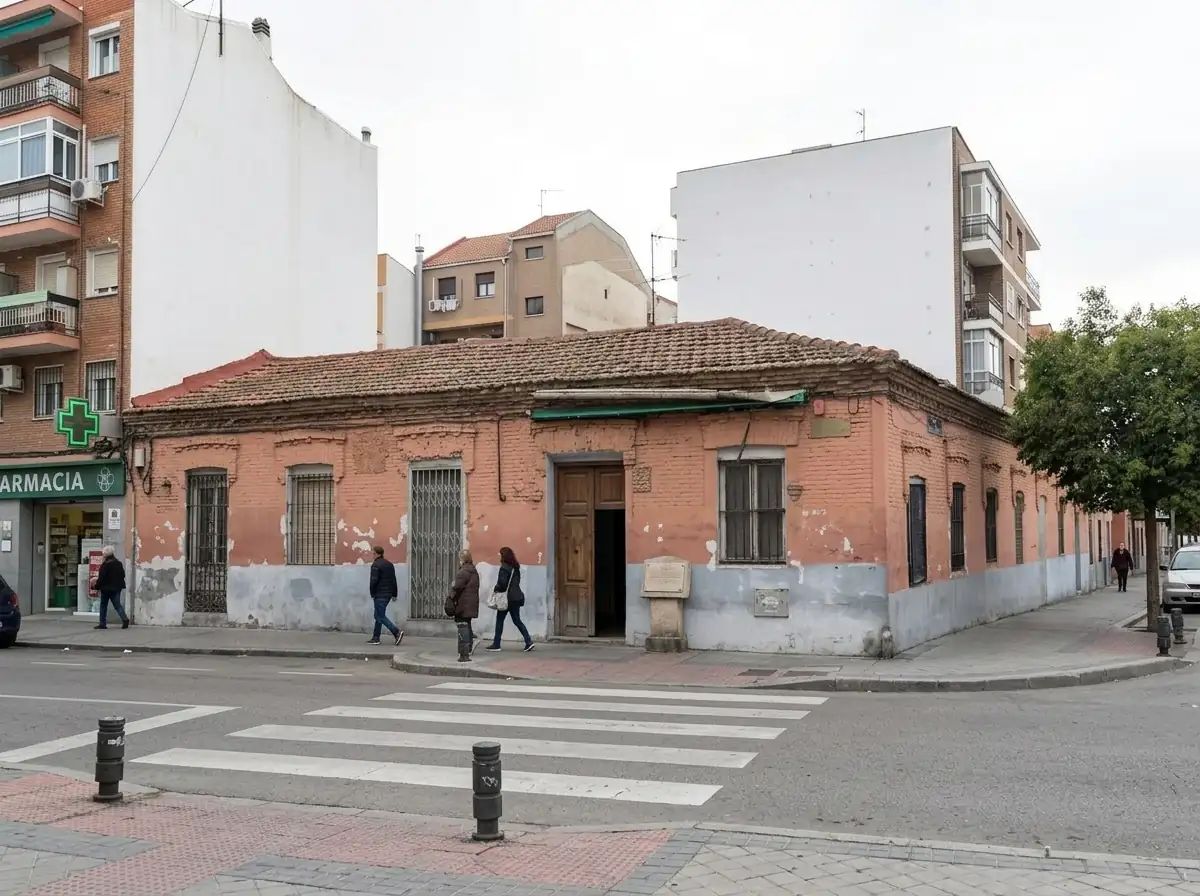
The building at Peironcely 10 is once again at the centre of the debate about historical memory in Madrid. The management of the space and the use of the name Robert Capa are causing controversy. The project has an impact on the cultural and social life of the neighbourhood.
In Vallecas, the casa de Peironcely 10 has become an uncomfortable symbol for Madrid. It was here that Robert Capa captured, in 1936, the image of three children sitting after a bombing—a photograph that has travelled the world and continues to shape the city’s collective memory. Decades later, the building still stands, and its future is once again at the heart of the conversation about how Madrid remembers its past.
The protection of the property came after years of pressure from local residents and the Plataforma #SalvaPeironcely10, which succeeded in getting the City Council to begin expropriation proceedings. Since then, the debate has focused on what to do with those 400 square metres: some advocate for the creation of a Centro Robert Capa, managed by the Museo de Historia de Madrid and with a scientific committee, to preserve and showcase the photographer’s work and the context of the war.
However, the latest decision by the City Council has surprised many. The Council has chosen to hand over management to the Fundación José María de Llanos, with the idea of turning the space into a centre for artistic experimentation for young people at risk of social exclusion. Although the social initiative has been well received, the entity that manages Robert Capa’s rights in New York has vetoed the use of his name for this purpose, which has sparked a new controversy and left the future of the project up in the air.
The case of Peironcely 10 reflects Madrid’s difficulty in building a shared memory of the war and the dictatorship. The city needs a major museum to interpret all aspects of that past, but the solution does not seem to lie in such a small space. Meanwhile, the neighbourhood watches as history and the present intersect at a corner still waiting for its place in Madrid’s memory.
Peironcely 10 is much more than just an address in Vallecas. The building, with its simple façade and visible scars, has witnessed the transformation of the neighbourhood and the city. Its surroundings, marked by neighbourhood life and the proximity of the railway tracks, serve as a daily reminder of the importance of small places in shaping Madrid’s identity.