
News
The future of the Thyssen Museum in Barcelona divides the city and reopens the cultural debate
Barcelona faces a key decision about its cultural identity. The possible Thyssen Museum in the former Comedia cinema is generating controversy. The role of private capital and the future of art in the city are at stake. The debate affects residents, architects and art lovers. The city seeks not to lose its distinctiveness compared with other European cities.
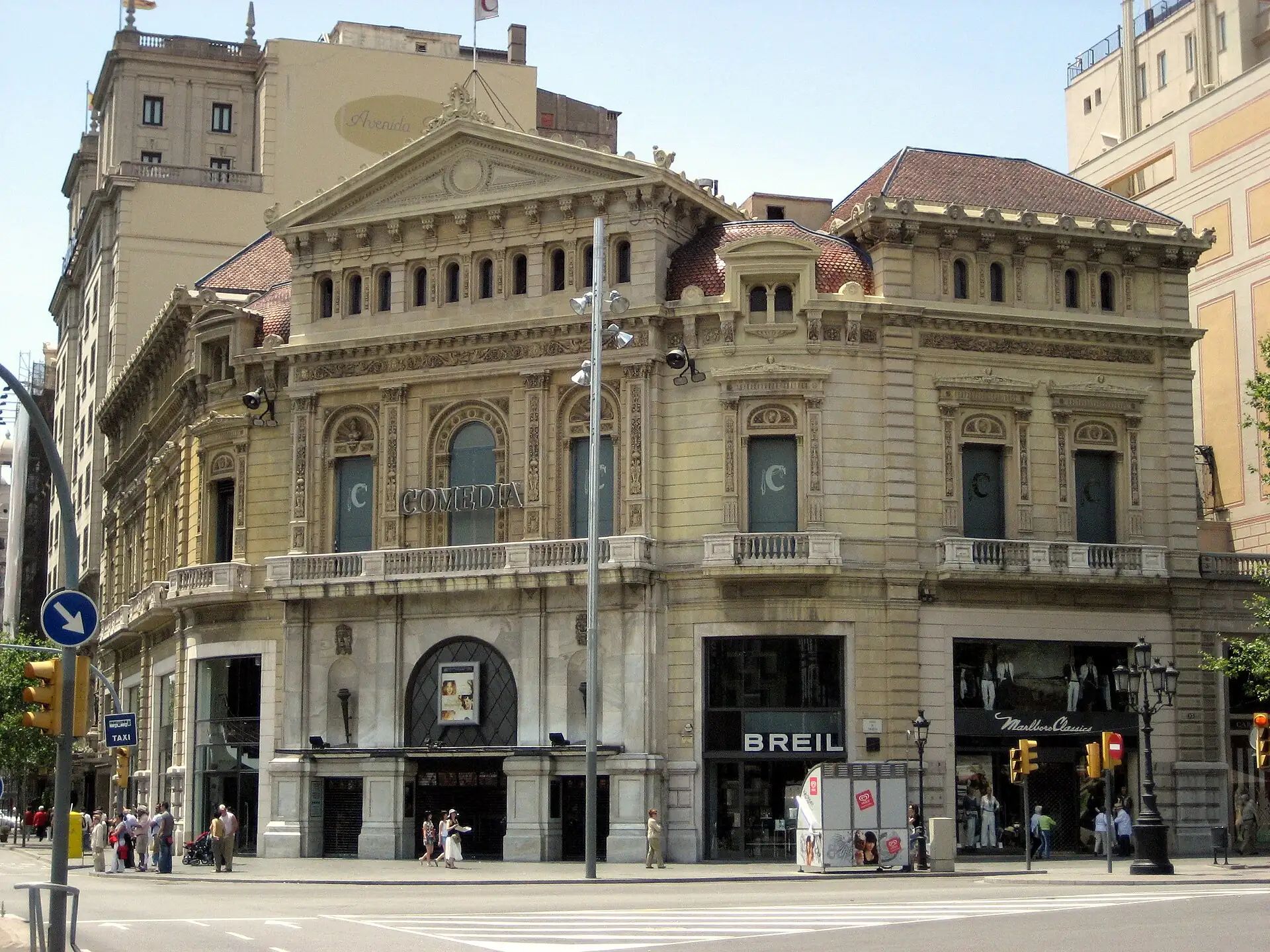
Barcelona faces a key decision about its cultural identity. The possible Museo Thyssen in the former Comedia cinema is generating controversy. The role of private capital and the future of art in the city are at stake. The debate affects residents, architects and art lovers. The city seeks not to lose its distinctiveness in the face of other European cities.
The announcement of a new museum linked to Baroness Thyssen in the heart of Passeig de Gràcia has shaken Barcelona's cultural agenda. The proposal, which envisages transforming the historic Comedia cinema into a space devoted to art, has sparked a debate that goes far beyond the mere opening of a museum: it raises the role of private capital in defining the city's emblematic spaces and the way Barcelona wants to present itself to the world.
The initiative, promoted by Carmen Thyssen and backed by the investment fund Stoneweg, has generated misgivings among neighbourhood groups, architects and citizen platforms. Many fear that the involvement of major investors will shape the future of one of the most sought-after corners of the Eixample. The controversy is not new: in Barcelona, any distinctive urban project tends to arouse suspicion, especially when it involves transforming historic spaces.
However, the arrival of a museum bearing the Thyssen name could place Barcelona on the international art map, reinforcing its appeal beyond Modernism and the usual icons. Other European cities have managed to integrate private patronage into their cultural fabric, attracting exhibitions and collections that would otherwise be out of reach. Paris, Milan and Bilbao have already gone down that road, and the Catalan capital now faces the choice of continuing to mistrust or backing partnerships that enhance its distinctiveness.
The authorities and promoters have shown willingness to introduce changes and ensure transparency, aware of the importance of building support and preventing the project from being seen as an imposition. Meanwhile, the city wonders whether it prefers to see another franchise on one of its most emblematic corners or seize the opportunity to consolidate a top-tier artistic legacy. The decision will shape Barcelona's cultural direction in the coming years.
The former Comedia cinema, located at the junction of Passeig de Gràcia and Gran Via, is one of the Eixample's most recognisable buildings. Opened in 1962, it has witnessed the city's social and cultural evolution, hosting everything from film premieres to events of all kinds. Its transformation into a museum would mark a new chapter in the history of this site, which has adapted to change without losing its iconic character. The choice of this space to house the future Museo Thyssen is no coincidence: it represents the meeting point between tradition and modernity that defines Barcelona.