
News
The hantavirus patient admitted in Madrid is progressing favourably
Gómez Ulla hospital remains under maximum surveillance after the first provisional case of hantavirus linked to the Hondius cruise was detected. The admitted patient, a 70-year-old man, remains stable and is progressing favourably in the High-Level Isolation and Treatment Unit, where he has continued to be monitored since the beginning of the week.
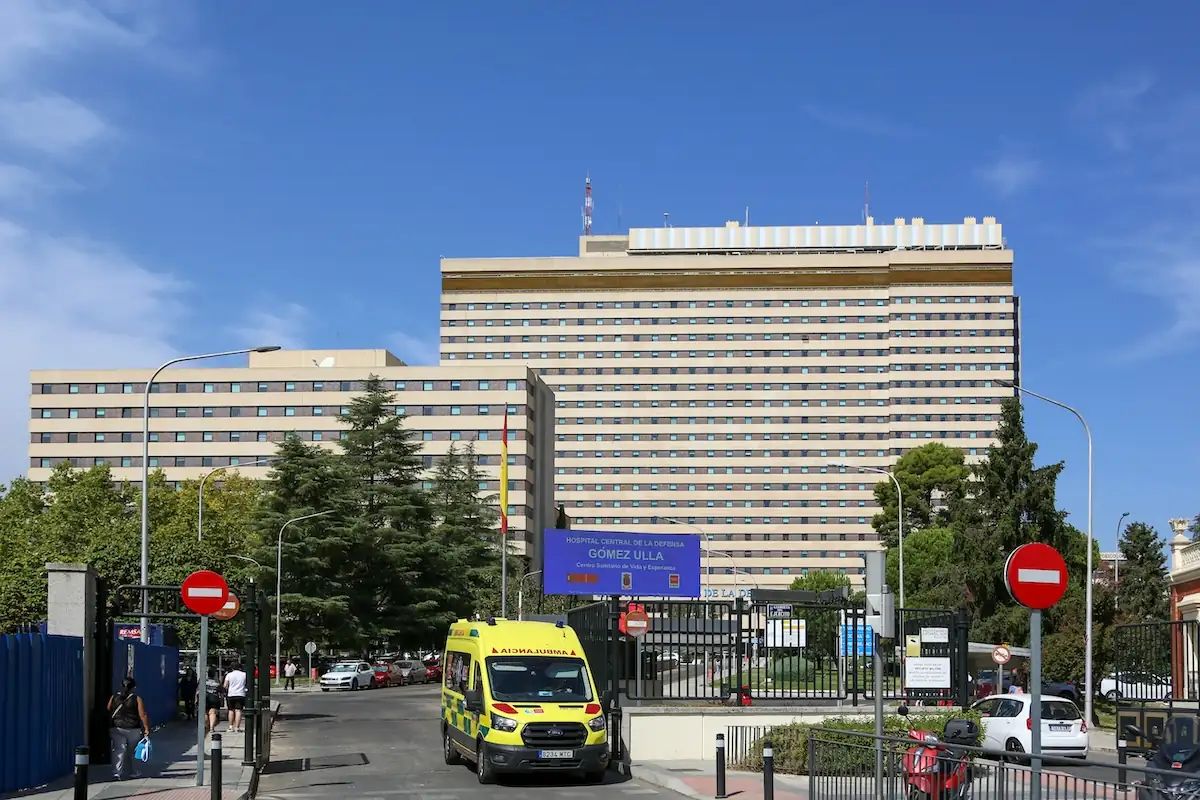
Meanwhile, the other 13 people evacuated from the ship remain isolated in individual rooms and have not developed symptoms. Although the situation remains under control, the health protocol requires quarantine and constant monitoring to prevent any possible infection or later complication.
Next Monday will be a key date. All isolated contacts will undergo a new round of PCR tests and, if the results remain negative, the hospital could partially ease some restrictions. The options envisaged include allowing limited visits under protective measures or authorising small supervised movements within the unit, always with an FFP2 mask.
Medical teams insist that any additional positive result would automatically change the scenario. In that case, the affected person would come to be considered a confirmed case even if they showed no visible symptoms, activating a stricter control and isolation protocol.
Monitoring also extends to other contacts located outside Madrid. Two women living in Barcelona and Alicante, who shared a flight with the Dutch passenger who died days earlier, remain under health monitoring and are asymptomatic.
The case has renewed attention on diseases that are uncommon in Spain but potentially serious. Hantavirus is transmitted mainly through contact with the excrement or secretions of infected rodents and can cause anything from mild symptoms to severe respiratory complications.
Gómez Ulla is one of the Spanish hospitals best prepared to manage high-risk infectious emergencies. Its special isolation unit has already intervened in previous health crises and has independent circuits, controlled-pressure systems and staff specialised in highly transmissible diseases. In situations such as this, the main aim is to contain any possible spread without disrupting the hospital's usual operation or generating unnecessary alarm.