
News
Retirees will be able to return to work as self-employed people and receive up to 25% of their pension
Retirement will no longer have to mean cutting ties with work abruptly. The Government has approved a royal decree expanding flexible retirement and allowing pensioners to return to work as self-employed people while receiving up to 25% of their pension. Until now, this arrangement was basically intended for salaried employees in part-time work.
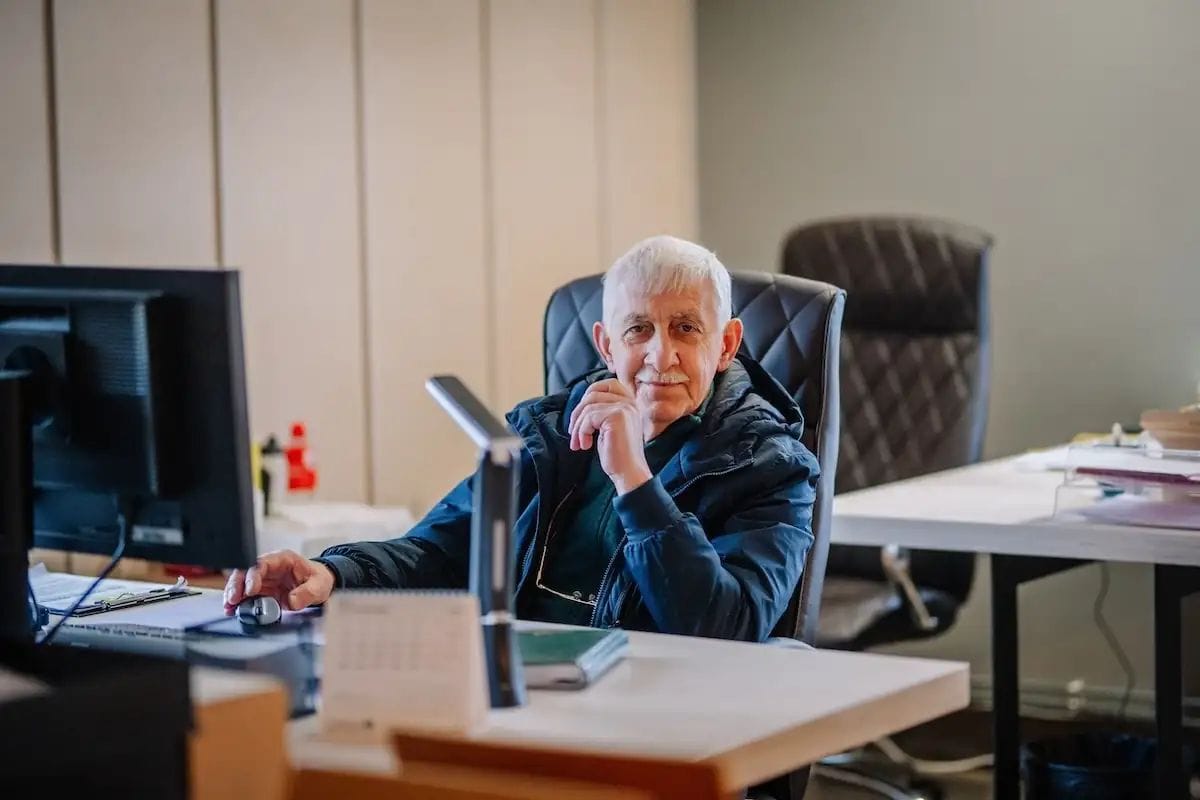
The new measure will affect those who want to return to self-employment after having retired. However, there will be an important condition: they must not have been registered as self-employed in the three years prior to retirement. The measure is especially aimed at professionals who want to continue doing occasional work, consultancy, advisory services, or independent activity without losing their entire pension.
Another significant change is the removal of the requirement to wait a minimum period after retirement. Flexible retirement can be requested at any time after the pension has been granted, although those who wait at least six months before returning to work will receive additional incentives.
For employees, the scope is also being broadened. The working hours compatible with the pension will now range between 33% and 80% of a full-time schedule. If the pensioner returns to work at least six months after retiring, they will be able to receive a larger portion of their pension: an additional 25% for working hours between 55% and 80%, and an additional 15% for hours between 33% and 55%.
The regulation will come into force three months after its publication in the Boletín Oficial del Estado. During this period of flexible retirement, workers will retain their status as pensioners for healthcare and social protection purposes, a key point for those who fear losing coverage when partially returning to the labour market.
The reform will generally apply to the Seguridad Social schemes, although some specific groups are excluded, such as civil servants of the State, Fuerzas Armadas, and personnel serving in the Administración de Justicia. Improvements are also planned for people who took early retirement involuntarily, for example after an ERE, and who later opt for this flexible arrangement.
The change comes at a time when many older people want to remain active, but not necessarily full-time or under the same pressure as before. For cities like Barcelona or Madrid, where there are many self-employed professionals, small businesses, consultants, and trades with accumulated experience, the measure could offer a middle ground: working a bit, maintaining income, and not disappearing entirely from the labour market.
The key will be in how it is used. For some pensioners, it will be a real opportunity to keep contributing without giving up the security of their pension. For others, it may reveal a less comfortable reality: that many pensions are not enough and that continuing to work will not always be a free choice, but a way to supplement income. That is where the real underlying debate lies.