
News
One year since the blackout that paralysed Spain and Portugal: causes, impact and changes to the grid
Exactly one year ago, daily life in Spain came to a sudden halt. A massive blackout left the whole country and Portugal without electricity, affecting millions of people and completely disrupting urban life for hours. What began as a technical incident became one of the biggest recent energy crises.
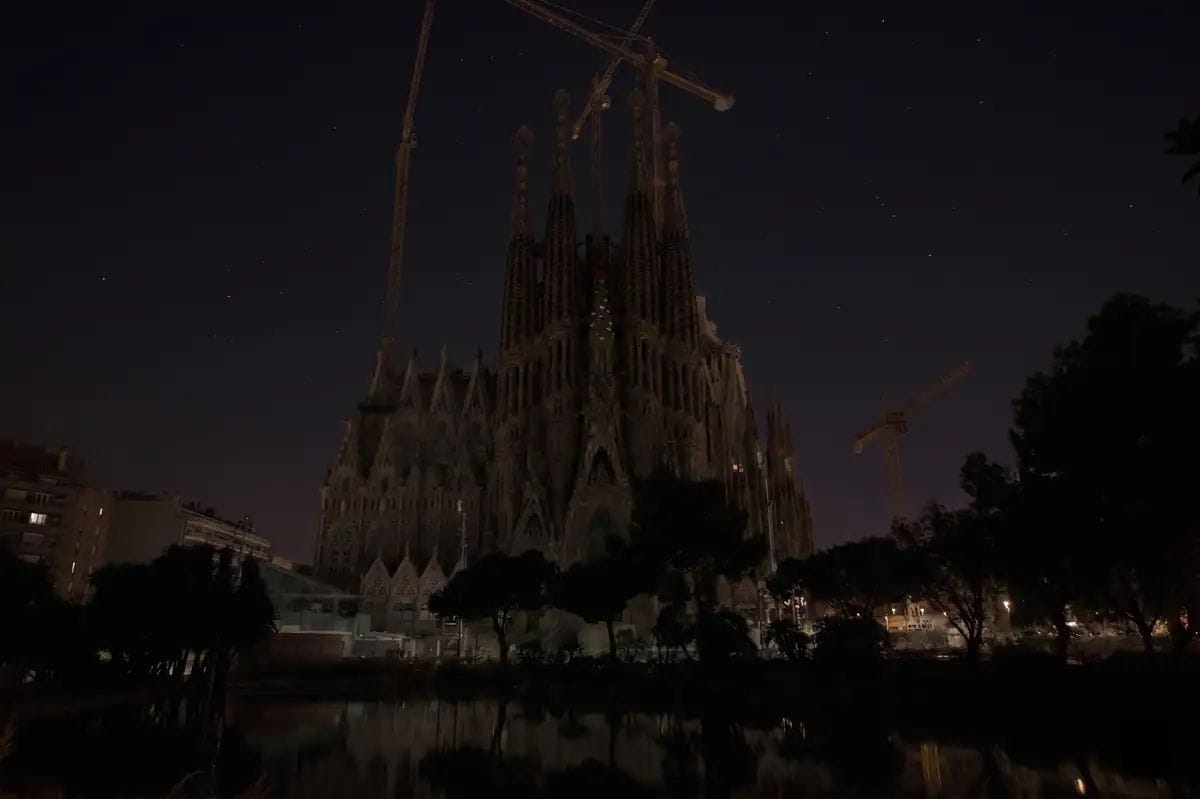
The impact was immediate and widespread: trains and metros came to a standstill, traffic lights went out, and streets became gridlocked. Mobile networks stopped working in many areas, leaving thousands of people without communication. In this context, radio regained prominence as the main channel of information.
The ENTSO-E report indicates that the origin of the failure was a combination of voltage control problems and a cascade of disconnections in the electricity grid. There was no single trigger, but several factors that coincided at a critical moment.
After the investigation, the CNMC has opened proceedings to analyse possible breaches in the management of the system. The organisation is studying whether prolonged failures may have worsened the collapse.
A year later, experts consider it unlikely that a similar situation will happen again. The main difference is that more conventional plants are now operating, able to stabilise the grid. Whereas only a few were active at the time, today many more can be brought online, strengthening the security of the electricity system.
The blackout left a clear mark on public perception. In cities where mobility, work, and services depend entirely on electricity, the episode exposed the fragility of infrastructure. Since then, control and response mechanisms have been reinforced.
The electricity grid in Spain is one of the most complex in Europe and is undergoing a transformation towards renewable energy. The challenge now is to maintain the balance between sustainability and stability to prevent another failure from paralysing daily life in major cities.