
News
More than 100 classic cars will take over central Madrid during San Isidro
This 15 May, Madrid will experience one of those scenes combining popular festivities, nostalgia and a city in motion. More than one hundred historic vehicles will travel through the centre during the Great Parade of Historic Vehicles, an event that will coincide with the San Isidro celebrations and transform the atmosphere for several hours in key areas such as Chamberí and Cibeles.
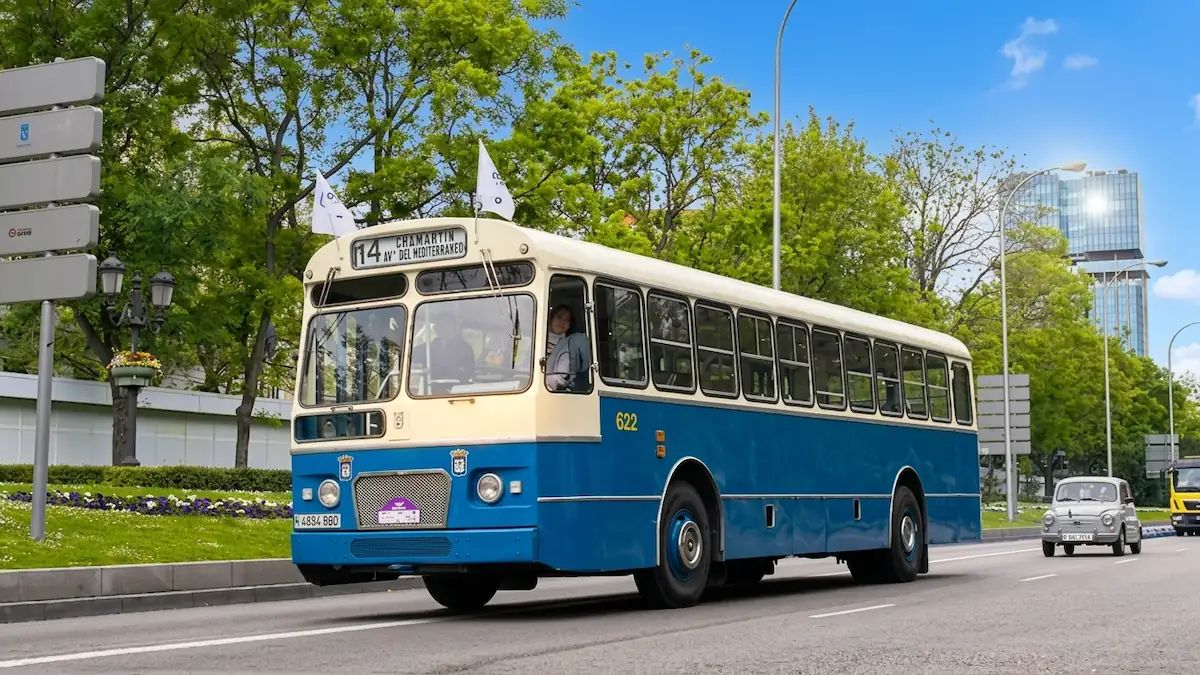
Cars, motorbikes and industrial vehicles made before 1969 will take to the streets in a route intended both for motoring enthusiasts and for those simply wanting to stroll and encounter an unusual sight in the heart of the capital. The parade will turn the centre into a kind of rolling open-air museum among classic horns, restored bodywork and sounds that evoke another Madrid.
The day will begin at the Escuela Técnica Superior de Ingenieros Industriales, where participants will gather from early in the morning. Before the parade there will be a static exhibition to observe many of the vehicles closely, some already unique collectors’ pieces.
From midday, the route will begin through emblematic central streets. The itinerary will link the ETSII area with Plaza de San Juan de la Cruz and Plaza de Cibeles in several loops, causing intermittent closures and traffic disruption on a day already particularly busy because of the San Isidro festivities.
The parade also joins the festive atmosphere filling Madrid these days with concerts, open-air dances, chulapos and popular activities. The mix of historic cars and traditional festivities reinforces that sense of a city which during San Isidro completely changes its rhythm and turns public space into a continuous setting for activities.
Beyond the motoring exhibition, the event also works as a small journey through Madrid’s urban memory. Many of the models travelling through the centre formed part of the daily lives of whole generations and help reconstruct how the city moved before the major transformations in today’s traffic and mobility.
Madrid has for years maintained a special relationship with this kind of urban event that mixes heritage, street life and popular culture. For a few hours, the centre will cease to be dominated by modern traffic to recover the sound, aesthetics and rhythm of a city that still survives in many of its historic vehicles.