
News
The ‘homotourist’ conquers Barcelona: travelling to rest and ending up exhausted
Travelling to rest and returning needing another holiday. The contradiction is familiar to many visitors to Barcelona: days of kilometres on foot, back-to-back bookings, queues, shopping and a list of places that seems compulsory to complete before going home.
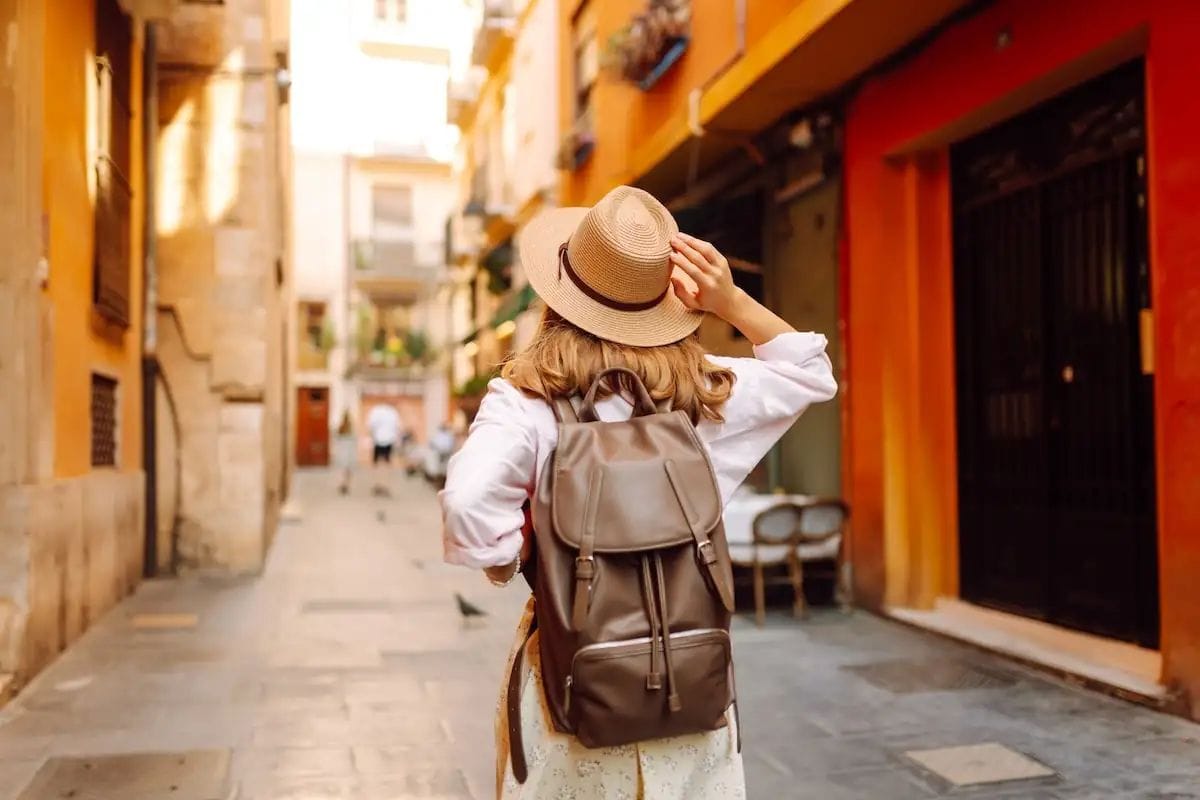
This is where the ironic figure of the homotourist comes in: the contemporary traveller who escapes their routine only to submit themselves, for a few days, to an even more intense one. They swap the work alarm clock for a timed entry to a monument, and the commute to the office for a dash between neighbourhoods to make it to the next reservation on time.
Barcelona provides the perfect backdrop for this behaviour. Sagrada Família in the morning, a stroll through the Gòtic, a booked lunch, shopping, Park Güell, sunset, and dinner somewhere else in the city. It all fits on a screen and seems within easy reach, but trying to do it all can turn a holiday into a schedule as demanding as the one left behind.
Then there’s the consumption. The visitor travels hundreds or thousands of kilometres only to end up in chain stores found in many other cities, buying mass-produced souvenirs, or paying more to eat in certain tourist hotspots. The search for something extraordinary goes hand in hand with experiences surprisingly similar to those in any major city.
This caricature also features the homosapienslistin: someone who knows the visitor’s impulses inside out and builds a business around them. Restaurants, souvenirs, quick experiences, and attractions promise authenticity, exclusivity, or that must-have photo. The tourist fears missing out, and the market is there to constantly remind them of everything they haven’t done yet.
Social media has added pressure to this race. It’s no longer enough just to travel: it seems necessary to prove the trip was worthwhile. Rest can take a back seat to the accumulation of places, dishes, photos, and activities that will later be used to reconstruct an apparently perfect holiday.
The problem isn’t visiting Barcelona or wanting to get to know it in depth. The paradox appears when the trip stops being about pleasure and starts to feel like an obligation: seeing the must-sees, trying the recommended things, buying the typical souvenirs, and filling every gap because spending an afternoon doing nothing seems like a wasted opportunity.
Perhaps that’s why one of the hardest experiences to find in a city with an almost endless range of options is precisely doing nothing. Sitting in a square, lingering over a coffee, or skipping the next stop might end up being the strangest gesture of the homotourist: remembering that, at least in theory, they had travelled to relax.