
News
Móstoles Hospital unveils one of the world’s most advanced eye-surgery platforms
Móstoles University Hospital has incorporated one of the world’s most advanced surgical platforms for eye surgery. The new technology will make it possible to carry out procedures with greater precision, smaller incisions and faster recovery, placing the centre among the first public hospitals in Spain to have this equipment.
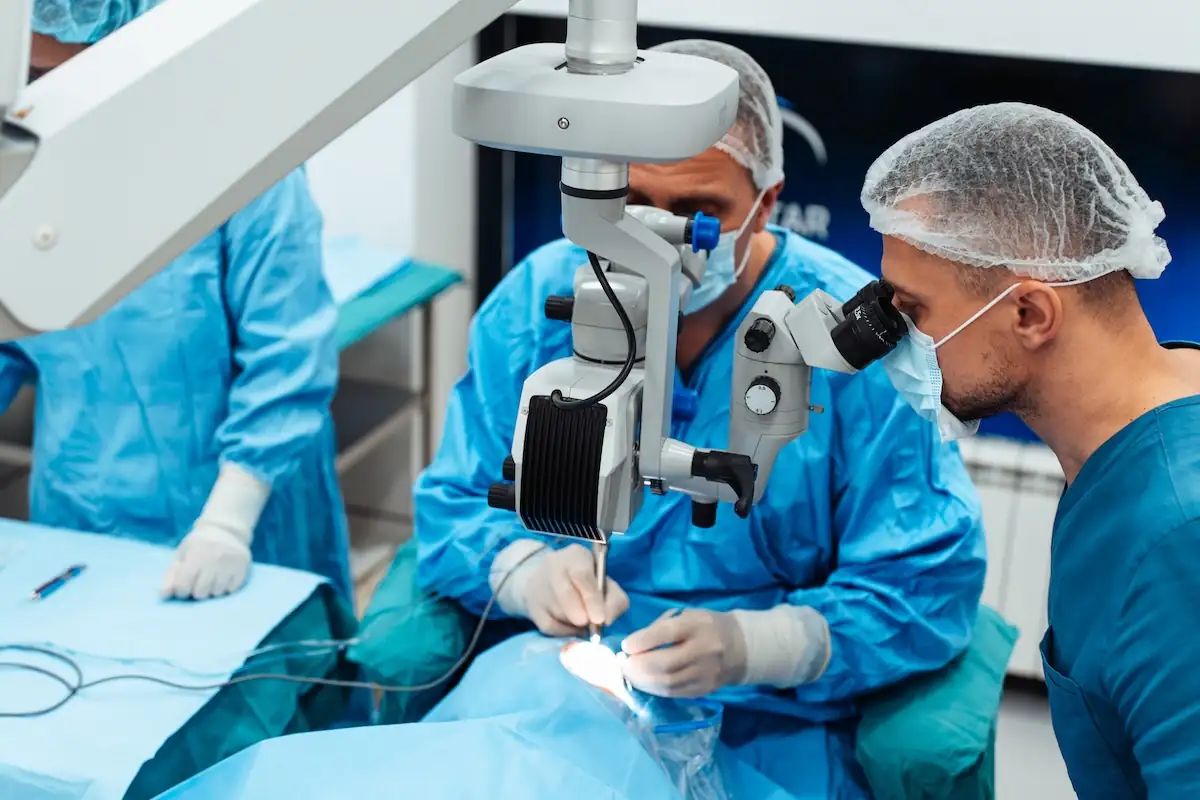
The system is specially designed to treat complex conditions such as retinal detachments, vitreous haemorrhages, macular holes, diabetic retinopathy, retinal tears, and cataracts. Thanks to greater control during surgery, specialists can use less invasive techniques and increase the safety of procedures.
One of the main innovations is real-time monitoring of the volume of fluid entering and leaving the eye. The equipment automatically adjusts both flows to keep intraocular pressure stable throughout the operation, improving the surgeon’s control and reducing the risk of complications.
The platform also features a vitrectomy probe capable of reaching 30,000 cuts per minute, a much higher speed than conventional systems. This allows for work very close to the retina with greater precision and minimises the risk of injury to one of the most delicate structures in the eye. It also has an LED lighting system that improves tissue visibility and makes it easier to clearly distinguish the areas that need to be treated.
Another improvement is the use of small-gauge instruments, which allow for minimal incisions and, in many cases, avoid the need for stitches. The equipment also includes a new laser capable of delivering up to four simultaneous impacts, a feature especially useful in retinal treatments that reduces the duration of certain procedures.
The new device also integrates cataract and retinal surgery into a single platform. Until now, different equipment was needed when both techniques had to be combined in the same operation. This innovation simplifies procedures, improves operating room efficiency, and allows for more advanced care for patients with complex eye conditions.