
News
Clot interchange unveils new lifts and improves the connection between L1 and L2
Getting around the Clot interchange will now be a little easier for thousands of people. The new lifts connecting lines L1 and L2 of the Barcelona Metro are already in operation, an improvement particularly awaited by users with reduced mobility, older people, families with prams and travellers who change lines daily at one of the city’s busiest stations.
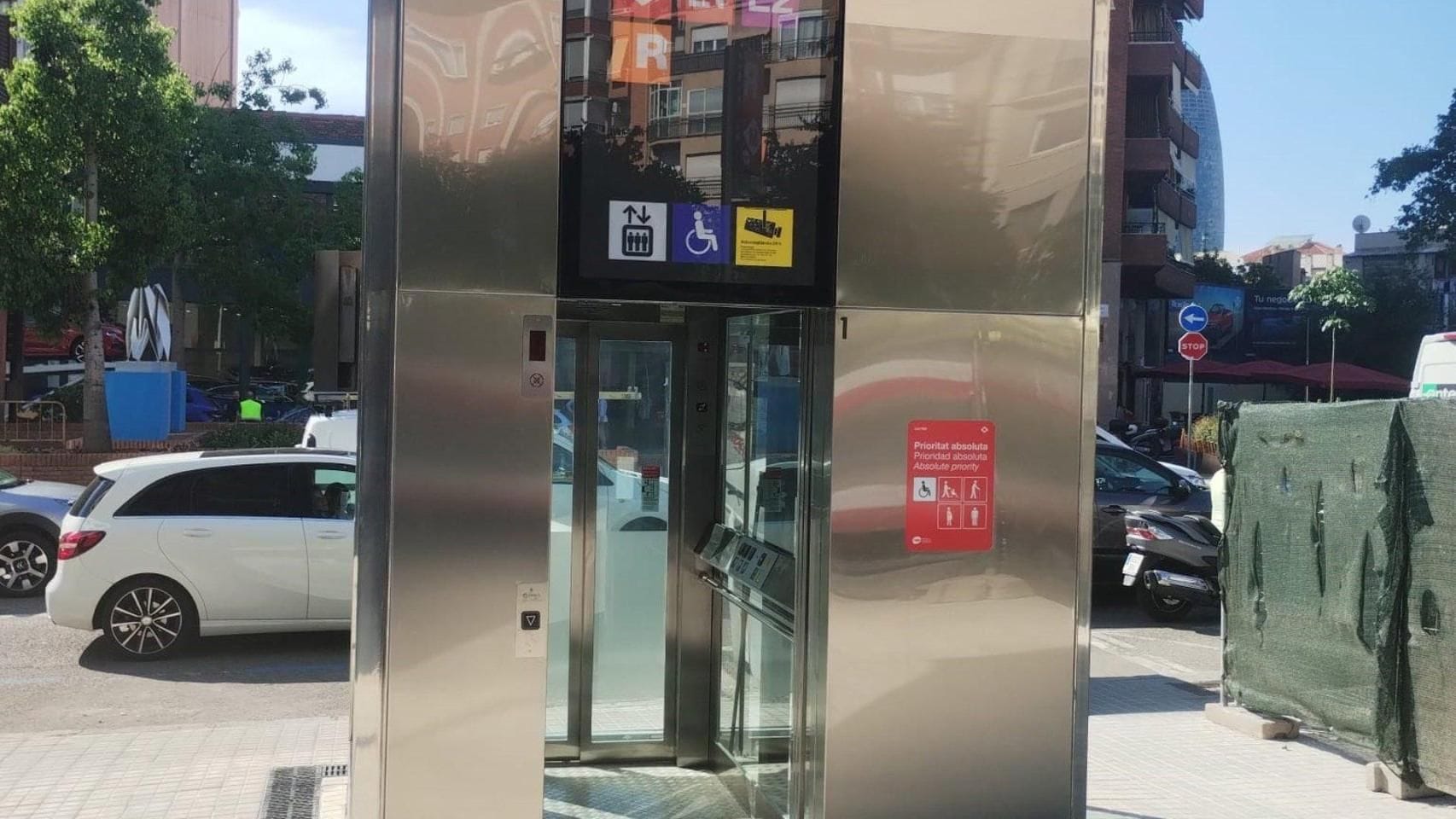
The work forms part of the accessibility plan promoted by the Generalitat to adapt the entire metropolitan network. Until now, both the Rodalies station and L2 were already accessible, but several key points on L1 and on the interchange's internal routes remained outstanding, where changes in level continued to be uncomfortable or simply impossible for some users.
The refurbishment has included the installation of five lifts, the expansion of the L1 concourse and the reorganisation of internal corridors to improve circulation. Finishes, installations and tactile paving for people with visual impairments have also been renewed. The investment exceeds 8 million euros and seeks to reduce one of the interchange's major historic weak points.
Even so, the works are not yet completely finished. Two more lifts are still pending, which will directly connect the L1 and L2 platforms, an intervention planned before the first quarter of 2026. Until then, some routes will continue to require longer journeys within the station.
At peak times, Clot functions as a small underground city. Every day, thousands of people pass through here, combining Metro and Rodalies to travel between Sant Martí, central Barcelona and the metropolitan area. Any improvement in access has a direct impact on daily mobility and the smoothness of transfers.
The modernisation of Clot also fits into a broader objective: fully adapting the Metro network for people with reduced mobility. Barcelona has spent years accelerating this kind of refurbishment at old stations, where much infrastructure was designed decades before accessibility became an urban priority.