
News
Aranjuez’s Parterre Garden will reopen in September after recovering its Baroque design
In September, Aranjuez will recover one of its most recognisable spaces. The Parterre Garden, next to the Royal Palace, will reopen to the public after almost a year of works and a restoration intended to restore its original 18th-century Baroque layout, inspired by the French models of Versailles.
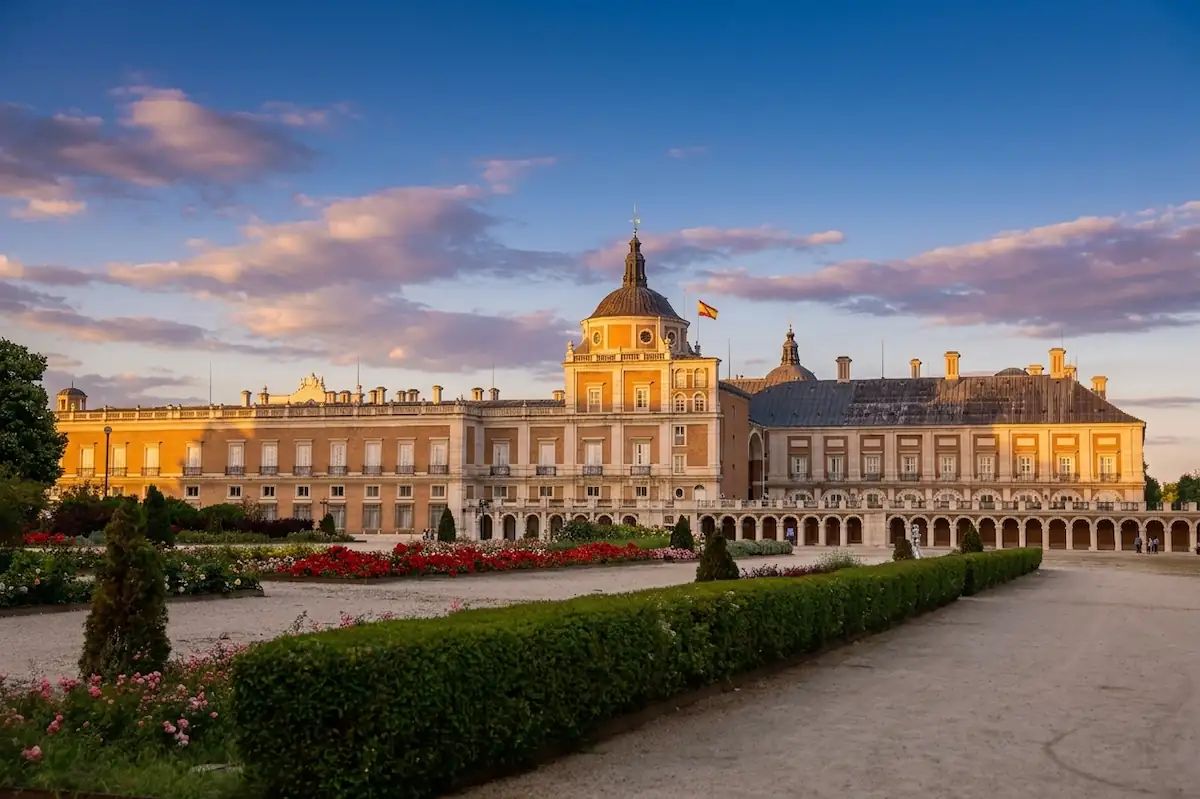
The intervention, led by Patrimonio Nacional, has been based on Alejandro Cuéllar's historical plans and on preserved documentation about the garden's design. The idea was not to carry out a simple spruce-up, but to correct decades of alterations, neglect and loss of landscape legibility. The aim: for the Parterre to once again enter into a visual dialogue with the Royal Palace as it did originally.
One of the most visible changes will be in the trees. 126 new lime trees adapted to Aranjuez's climate have been planted and existing magnolias transplanted, bringing the total to 159 trees, eleven more than before the refurbishment. For visitors, that will mean more orderly walks, shade and an image closer to the garden that was designed in the eighteenth century.
The fountains have also taken centre stage. Hércules y Anteo has received a comprehensive restoration, including restoration of the sculptures, waterproofing of the basin and repair of the hydraulic system. The Fountain of Ceres regains its original structure with three jets, while the sculptures have been cleaned, restored and repositioned according to historical criteria.
The work also includes an invisible but key modernisation to preserve the space: a new automatic irrigation system, pumps hidden underground and pre-installation for future lighting. Patrimonio Nacional is also preparing a mobile app so that visitors can consult historical and botanical information during the visit. The investment is around five million euros, financed with European funds.
The reopening will not be immediate, even though the works are close to completion. The expectation is that the project will be completed at the end of June, but the garden will not open until September to ensure that the vegetation and facilities are in good condition for public use.
The return of the Parterre matters because Aranjuez is not understood through its Palace alone. Its gardens are an essential part of the cultural landscape that made this place by the Tagus unique: walks, fountains, perspective, shade and a leisurely way of enjoying life that continues to attract Madrid residents and visitors. When it reopens, it will not simply be a better-kept garden. It will be a way of looking at Aranjuez again with the calm and beauty for which it was designed.