
News
Conde Duque opens ‘40 years: Tierno’s Madrid’, an exhibition on Tierno Galván until 4 May
An exhibition at Conde Duque invites visitors to rediscover Enrique Tierno Galván’s mark on the city. Photographs, objects and documents show how his vision continues to influence urban life. Madrid looks to the past to understand its present.
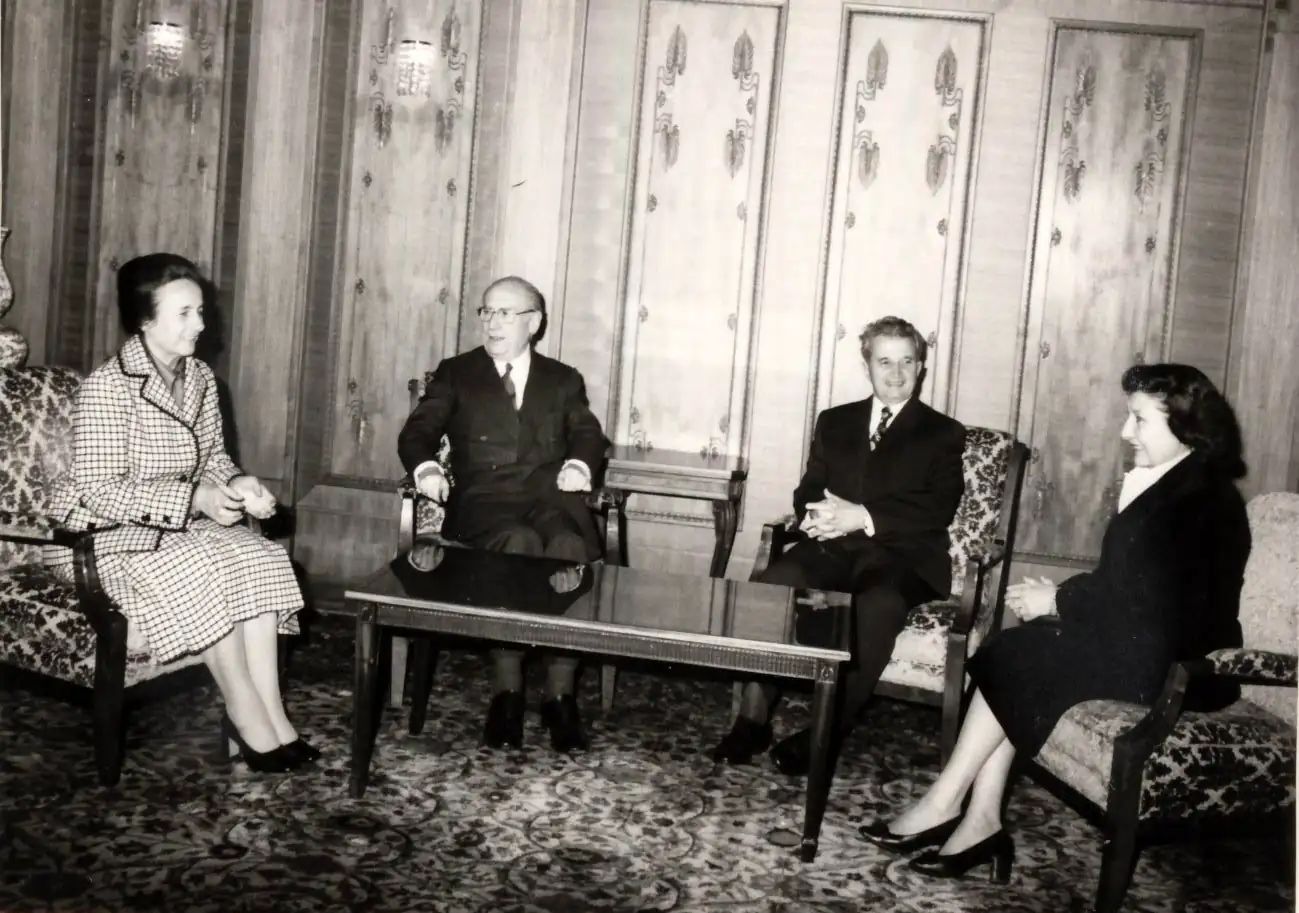

This weekend, the lobby of the Archivo de la Villa at Conde Duque becomes a meeting point for those wishing to understand how Madrid came to be the city it is today. The exhibition '40 years: Tierno's Madrid' traces the life and impact of Enrique Tierno Galván, the mayor who marked an era between 1979 and 1986 and whose legacy remains present in neighbourhoods, parks and urban customs.
Open until 4 May, the exhibition displays 39 panels with images, texts and original documents. Visitors can see everything from his personal magnifying glass to a welcoming bust, alongside historic photographs and objects that sum up a decade of changes. The route addresses subjects such as the transformation of the Manzanares, the commitment to green spaces, culture and coexistence, and the arrival of projects such as the Planetarium, Mercamadrid and the Pasillo Verde.
Those who visit will also find references to the Movida Madrileña and the municipal proclamations Tierno Galván signed with irony and his own style. The exhibition invites visitors to look at the city with different eyes, recalling how social housing, facilities in the districts and a new way of understanding citizen participation were promoted.
From the Socialist Municipal Group, Reyes Maroto encourages Madrid residents to visit the exhibition to learn first-hand about the thinking and political approach of a key figure in the capital's recent history. She recalls that Tierno Galván defended dialogue and peace in difficult times, and highlights the mural with the phrase: “Peace is not achieved without effort; if you want peace, work for peace”.
Former mayor Juan Barranco stresses that, for many, Tierno Galván was Madrid's best mayor, and reviews achievements such as the construction of 40,000 social homes, the development of Campo de las Naciones and the creation of the Consorcio de Transportes. In addition, a copy of the book 'Canto a la paz', promoted by Tierno Galván himself, has been added to the exhibition.
Curator José María de la Riva highlights that the exhibition seeks to show how Tierno Galván knew how to capture Madrid's soul, with symbols such as the bust and the peace mural summarising his commitment to the city.
Conde Duque, beyond being a cultural space, has established itself as one of the places where Madrid looks at itself. Its programme often connects past and present, and exhibitions like this reveal how collective memory is updated and integrated into everyday life. For those who live in or pass through the centre, going to Conde Duque is also a way to understand where the city is heading.