
News
Paper books reclaim their place in Madrid schools after the digital ban
Madrid removes mobile phones and limits tablets in classrooms. Printed textbooks are back. The measure affects thousands of families and is transforming school life. The change is already visible in playgrounds and classrooms.
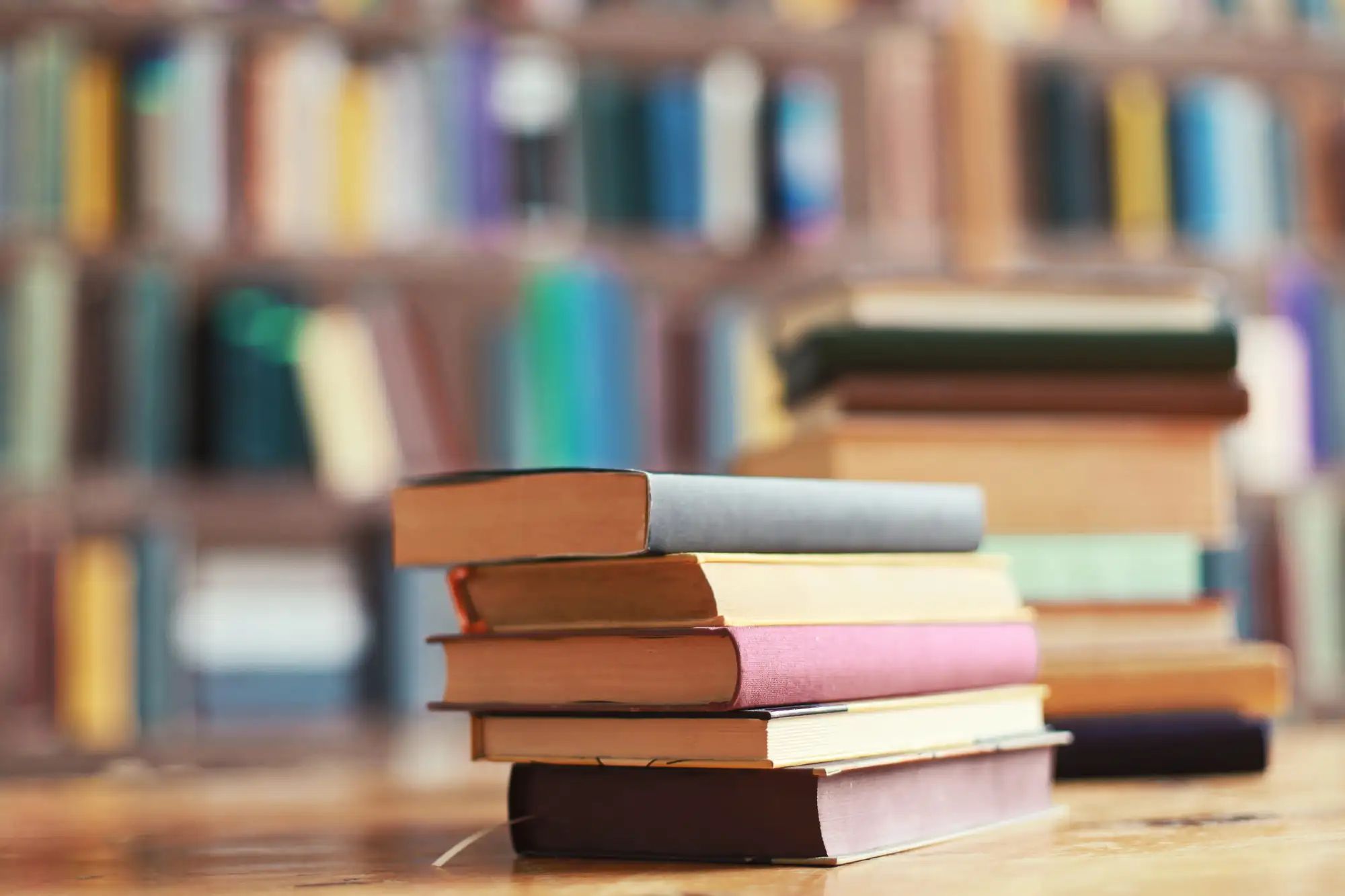
The return of paper textbooks is already setting the tone for back-to-school season in Madrid. Classrooms have moved away from the omnipresence of screens and notifications: the Comunidad de Madrid has imposed strict limits on the use of mobile phones and tablets, bringing in-person reading and handwriting back to the forefront. The change is noticeable in the atmosphere, in students’ concentration, and in the way they interact during breaks.
The regional regulations are clear: in ESO y Bachillerato, mobile phones are banned throughout the entire school day, including breaks and lunchtime. Their use is only allowed for specific educational projects and always under supervision. In Infantil y Primaria, the “one student, one device” model is a thing of the past. Now, digital devices are only used jointly and at specific times, with weekly time limits depending on age.
The impact is immediate. Playgrounds are no longer zones of digital isolation and have once again become spaces for free play, sports, and face-to-face conversation. Disciplinary reports for photos or videos have plummeted, and real-time cyberbullying has dropped dramatically. School life feels different.
The Comunidad de Madrid is reinforcing the measure by providing 520,000 textbooks free of charge. The goal is clear: to strengthen reading comprehension, memory, and handwriting skills. After years in which digitalisation seemed the only path to innovation, the region is committed to shielding classrooms from digital distraction and restoring pedagogical authority to teachers.
Limits on screen use are precise: in Infantil and the first two years of Primaria, a maximum of one hour per week; in years 3 and 4, up to an hour and a half; in years 5 and 6, two hours. In Secundaria y Bachillerato, each centre decides, but always under teacher supervision. The Consejería de Educación insists that technology is not disappearing, but is only used when it adds real value and always under supervision.
Data from the PISA report has been a catalyst. Intensive and unguided use of devices in class is linked to poorer results in reading and maths. More than 30% of students admit to being regularly distracted by screens, and fragmented attention is a real problem. Institutions such as the Instituto Karolinska de Suecia have warned about the negative impact of replacing paper with screens on deep reading and cognitive processing.
The change has not been easy. Many teaching teams have had to reorganise materials and methodologies after years of digitalisation. However, improvements in sustained attention and a reduction in digital multitasking are already noticeable day to day. The challenge now is to maintain digital disconnection at home, beyond the school gates.
Madrid is already moving in that direction. Demand for the ACCEDE book loan system has broken records this year. The process, which began in 2020 with the ban on mobile phones in Secundaria and now culminates with the consolidation of printed materials, represents the biggest analogue transformation in the region’s educational history.
The transformation of educational spaces in Madrid is reminiscent of other urban initiatives aimed at restoring human contact and shared use of space, such as the new park over the M-30 reported earlier, which also points to a more connected city, less dependent on individual technology.
Madrid’s education system, with its commitment to digital disconnection and renewed focus on reading on paper, marks a turning point already being felt in the daily lives of thousands of families. The city is adjusting its pace: fewer screens, more conversation, more notebooks and open books on the table. The classroom is regaining its essence as a space for real meeting and learning.
The paper textbook, far from being just a medium, is a symbol of traditional Madrid schooling. Its presence in backpacks and on desks connects generations and reinforces the idea that learning requires time, attention, and direct contact with knowledge. In Madrid, the return to paper is not nostalgia: it is a conscious commitment to balance technology with in-person education, in a city that knows how to reinvent itself without losing its own rhythm.