
News
El Mercat de les Flors heads out into the city as it prepares for renovations
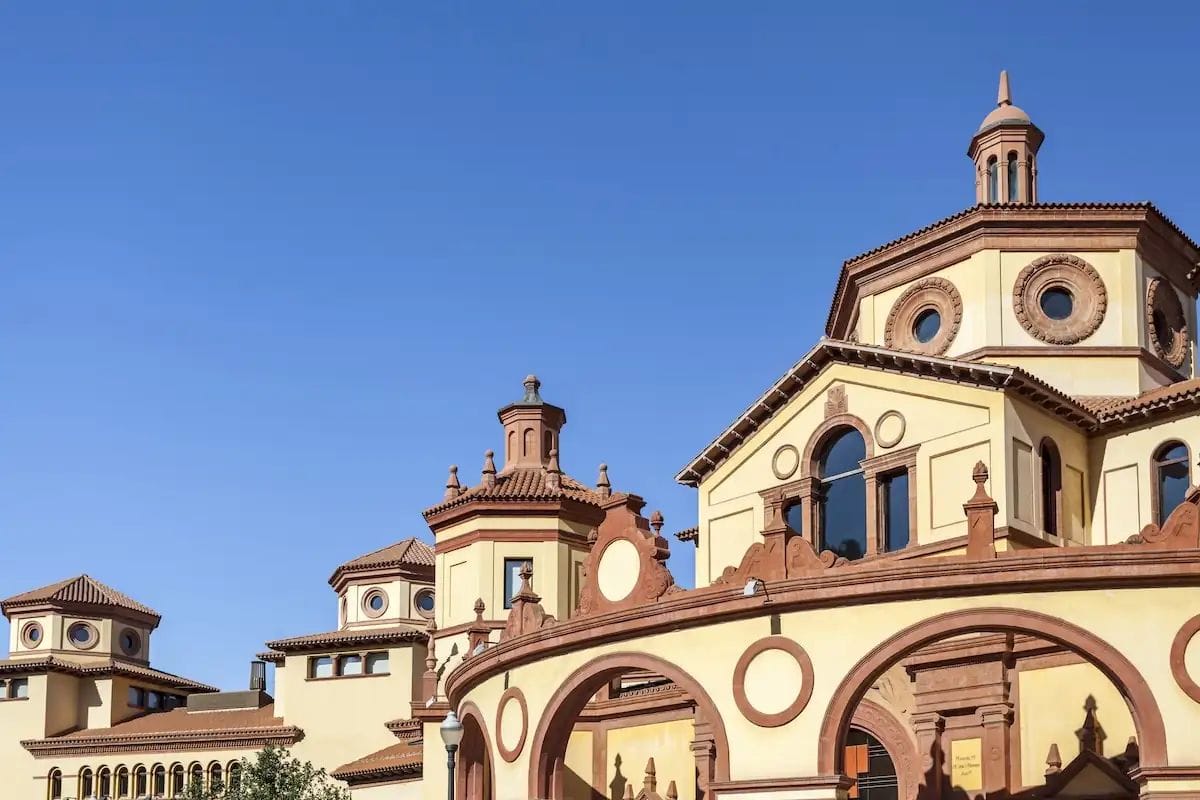
El Mercat de les Flors is entering a transitional season that will change the way dance is experienced in Barcelona. The renovation work will force the Montjuïc venue to look beyond its own halls, although it will ultimately be able to continue activities at its headquarters until May before expanding more widely into other spaces around the city.
The 2026-2027 season will begin on 18 September at the Saló del Tinell with Living & Leaving, the new creation by Marcos Morau and La Veronal. The piece will be the first instalment of a trilogy and will serve as the starting point for a season marked by renovations, relocations and an ambitious programme.
The Mercat will present more than 40 shows and will have a budget of seven million euros. The programme will combine major international names, local creation and proposals designed to take dance out of its usual settings.
The invited companies include (La) Horde - Ballet National de Marseille, the Sydney Dance Company directed by Rafael Bonachela, Carte Blanche de Noruega, Cullberg with Renan Martins and Tanzmainz alongside Paloma Muñoz. Artists such as Marlene Monteiro Freitas, Piny and Jefta van Dinther will also appear during the season.
The programme will extend to other theatres and spaces in Barcelona. Israel Galván and Mohamed El Khatib will present Israel & Mohamed at Teatre Lliure, while Sharon Eyal will bring Delay the Sadness to Teatre Nacional de Catalunya, reinforcing the idea of a season shared by several venues.
Local creation will also carry significant weight, with names such as Inka Romaní, Candela Capitán, Taiat Dansa, Núria Guiu Sagarra, Vanesa Aibar, LaCerda, laSADCUM and Roger Bernat. The latter will present a version of The Rite of Spring without professional dancers, a proposal that plays with the boundaries between stage, audience and participation.
The Mercat will also take dance to unusual places, such as the Municipal Swimming Pools of Montjuïc or Montjuïc Castle. This movement out into the city will not only be a solution because of the works, but a way of testing how the relationship between audience, body, architecture and urban space can change.
Under the motto Ballant cauen murs, director María José Cifuentes sees the season as an invitation to break physical and symbolic boundaries. For Barcelona, the Mercat's renovations do not mean a pause in dance, quite the opposite: an opportunity for choreography to move around the city and reach audiences who may not usually enter its Montjuïc venue.