
News
Barcelona's metro aims to detect anomalies before they affect service
The network generates millions of data points every day and TMB wants to turn them into maintenance decisions. Sensors already monitor trains and tracks; upcoming checks will also measure the tunnels and detect faults before they impact service.
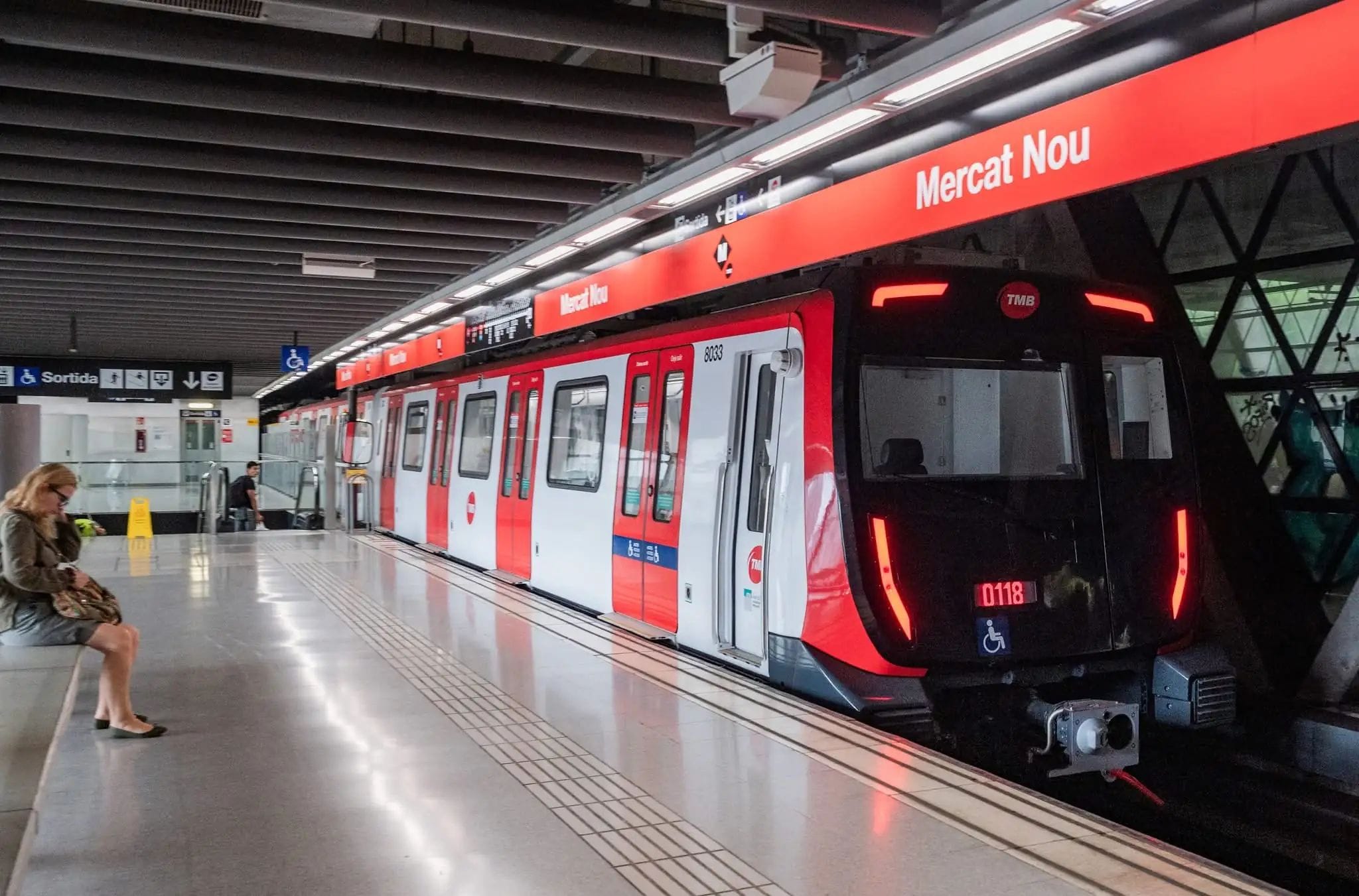
The Metro de Barcelona consists of 8 lines and 165 stations over 125 kilometres. Around 30% of its system is fully automated, and the entire network generates millions of data points every day that TMB aims to turn into maintenance and operational actions.
A mobile laboratory on lines 1 and 5
Inspection trains are already running on lines 1 and 5. Equipped with cameras and sensors, they check the track and other elements of the railway infrastructure, such as the catenary.
Their analysis measures the geometry of the track: width, alignment, cant, and level. They also record train acceleration and rail temperature. In the cabins, monitoring units, sound analysis equipment, and high-speed cameras supervise the interaction between the catenary and the pantograph.
The tunnel also enters the digital map
TMB will equip trains with cameras and tools to collect data on the condition of the tunnels as they travel. The system will generate a 3D point cloud that continuously reflects the full cross-section of each tunnel.
With this data, it will be possible to measure the contour of the cavity by sections and check the distance from the exact profile of the train. The aim is to verify the available space for circulation.
The company will also install a technological arch in the tunnels of the automatic lines. As each train passes, the system will check its components to detect anomalies before they can affect operations or passenger comfort.
From data to maintenance
The information is organised to apply Manteniment Basat en la Condició (CBM), that is, maintenance based on the actual condition of the trains or infrastructure. TMB will also use it to develop predictive models for trains, infrastructure, and railway signalling.
The goal is to strengthen operational safety and service availability, as well as to reduce the impact on the city and extend the useful life of assets through greater maintenance productivity. The digitalisation of metropolitan mobility also extends to other areas: ATM has awarded EYSA the management software for the ZBE in up to 20 municipalities, a project detailed in the management of the ZBE.