
News
Metro de Madrid will allow payment by card and mobile from 1 June
On 1 June, Metro de Madrid is introducing a more direct way to enter the underground. Travellers will be able to pay for a single ticket by holding a contactless bank card, mobile phone or smartwatch against the gate, without first using a machine or having to buy a Tarjeta de Transporte Público for a one-off journey.
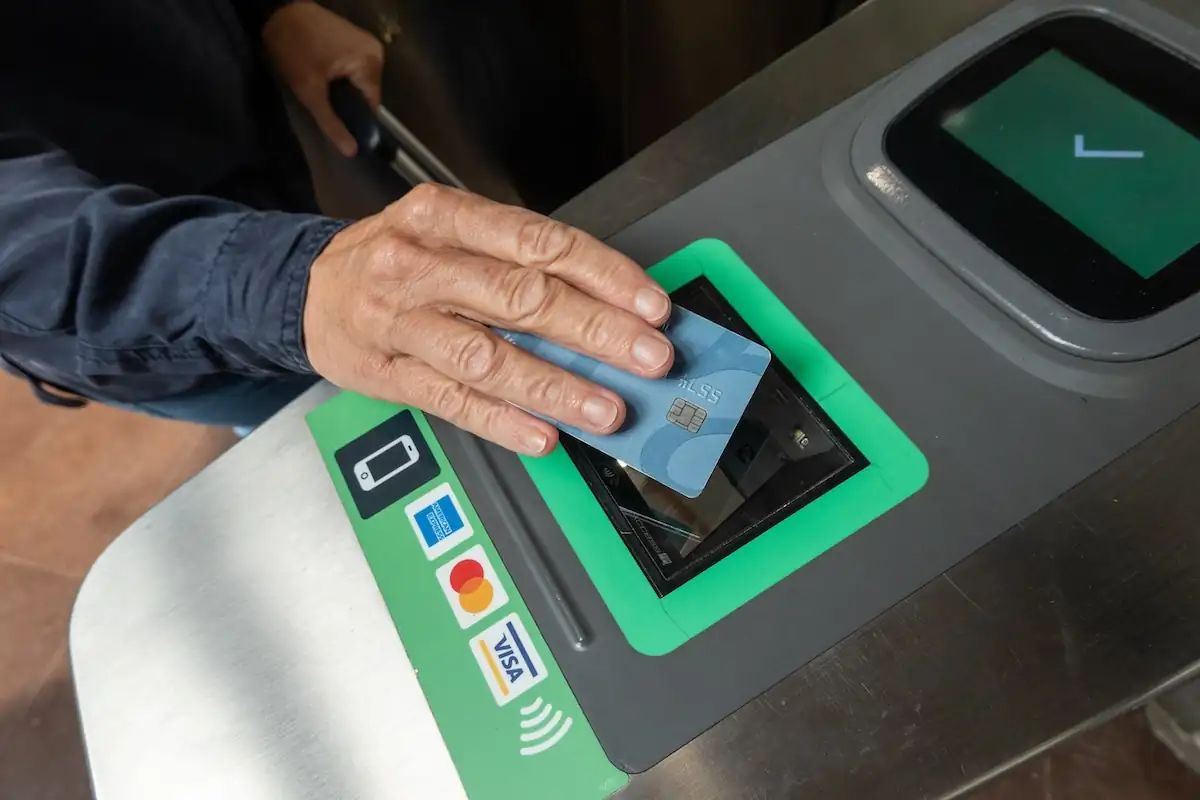
The system will be available at the network’s 303 stations and will initially apply to the single ticket. The initial price will be 1.50 euros, a promotional fare for the first weeks of operation. The measure has been developed with EMV technology and in collaboration with Mastercard and Visa.
The change will be noticed above all at stations with many occasional travellers: Sol, Gran Vía, Atocha, Nuevos Ministerios, Feria de Madrid or the airport. For a tourist, someone arriving for a concert or a person who uses the Metro only occasionally, the change is simple: it will no longer be necessary to understand tickets, zones or media before entering.
The rollout does not eliminate the current methods. Travelcards, the Public Transport Card and Consorcio tickets will continue to work as before. The difference is that Metro is adding a quick gateway for individual journeys, very similar to those already used by cities such as London, Milan and Amsterdam.
The network will have 1,249 gates prepared for this system. At stations with older infrastructure, at least two entrances will be enabled for contactless payments and one for QR codes. The rollout is part of the modernisation begun in 2023 with the so-called smart gates.
The timing is not accidental. Madrid faces several high-attendance events in June, including the visit of Pope Leo XIV, and any measure that reduces queues at machines or uncertainty at entrances can ease moments of great pressure. Metro carries more than 2.5 million users every day, so a few seconds less per traveller can make a difference in crowded stations.
For the city, contactless payment is not only a technological convenience. It also changes the first experience of someone arriving in Madrid who wants to get around without learning the system from scratch. Regular users will continue using their travelcard; visitors or spontaneous travellers, by contrast, will finally have a more intuitive option: tap the card, pass through the gate and continue on their way.