
News
Madrid launches tests of its driverless trains and prepares for a new closure on the L6
Metro de Madrid is already testing the first automatic trains on the network, which will run on the L6 from 2027. The trials have started at night on lines 10 and 11, without passengers and with a driver on board, before moving permanently to the Circular.
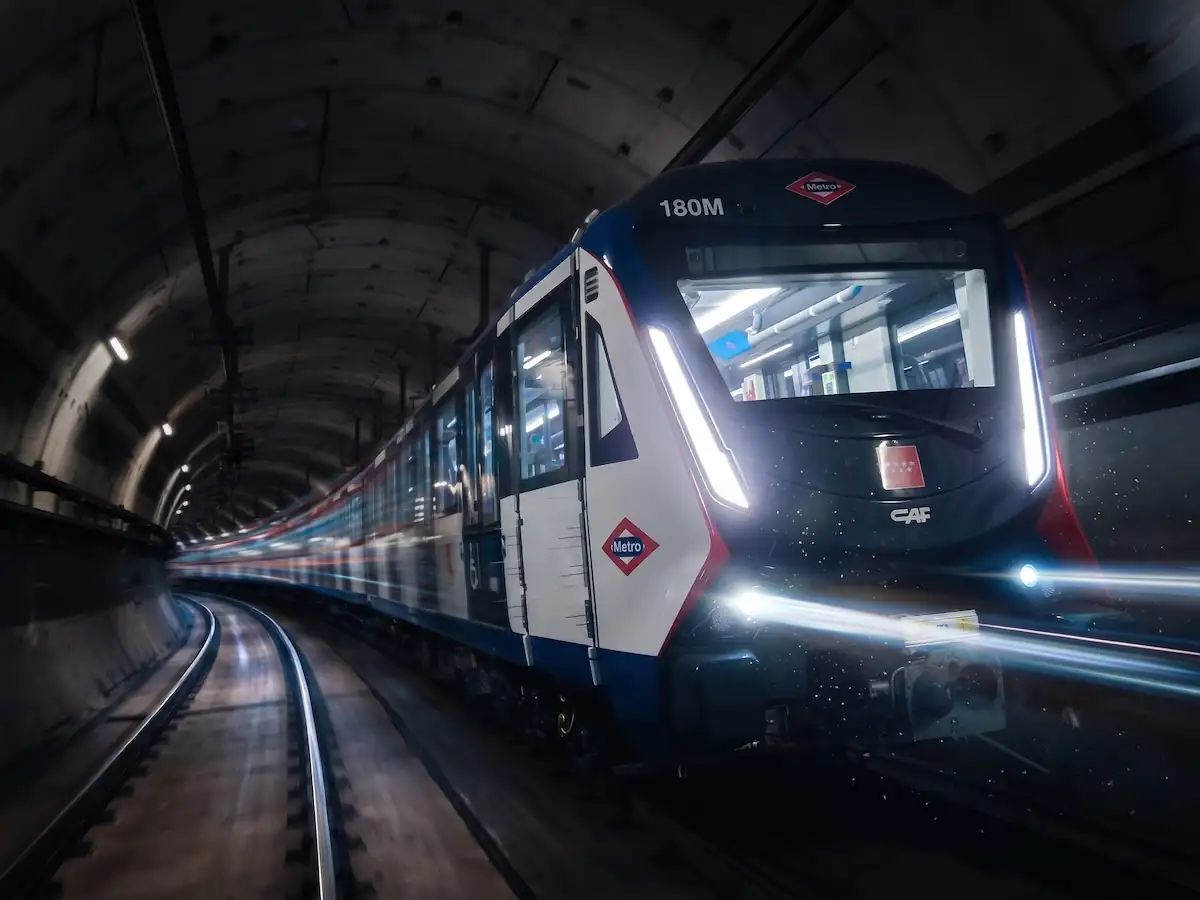
The first of the 48 new trains is already running on Madrid’s tracks to check its safety, reliability, performance, and comfort. Soon, the tests will also extend to line 12 and, once the adaptation works are finished, will begin directly on the L6 with automatic operation.
The upgrade will mean a major change for the Metro’s busiest line. The regional government has invested more than 531 million euros in the new trains and expects that, with automation, frequencies could be reduced to as little as two minutes during peak times.
The trains will have six carriages and measure over 109 metres. They will be able to carry up to 1,385 passengers, 17% more than the current trains, and will do away with the traditional driver’s cab to create more interior space. They will also reach speeds of up to 110 kilometres per hour and use around 20% less energy.
The transformation will bring new disruptions for travellers this weekend. Metro will close the L6 between Sainz de Baranda y Laguna on Saturday 22 and Sunday 23 August. Both stations will remain open as termini and the full section will reopen on Monday 24.
During the closure, free buses will cover the route above ground. Metro will use these two days to make progress on installing platform screen doors, which are necessary for the future trains to run automatically and stop in sync with the station doors.
The modernisation of the Circular goes beyond the trains. All 28 stations need to adapt their platforms and add new safety and accessibility systems before it can operate without a driver. The L6 carries more than 400,000 passengers every day and will be the first line in the Madrid network to complete this transformation.
The end of August will also see the gradual return of other services affected by summer works. Cuzco, on line 10, is scheduled to reopen on 25 August, while the section of line 7 between Gregorio Marañón y Pitis will resume service on the 29th. The automation of the L6 is thus entering its most visible phase: first with night-time tests and occasional closures and, from 2027, with a completely new way to travel on the Metro’s busiest line.