
News
Metro de Madrid grows again and nears 66 million passengers
Metro passengers rose 3.6% in May, nearing 65.8 million users.
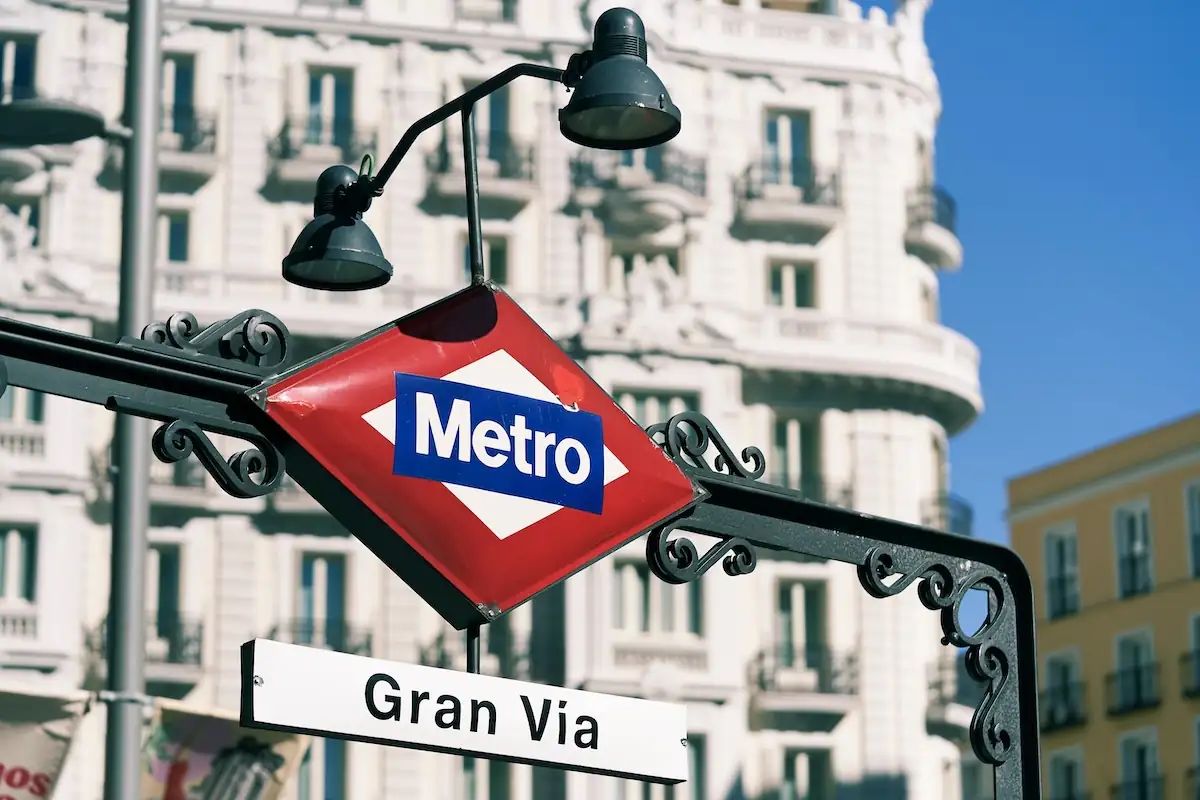
The increase is most noticeable during rush hours, at interchange stations, and on routes between neighbourhoods that are increasingly connected for leisure, work, and study. For many people in Madrid, the Metro remains the fastest way to cross the city without having to deal with traffic or look for parking.
EMT buses also saw growth, though more moderate. In May, they carried 44.03 million passengers, up 0.8% from a year earlier. The figures show that the bus remains useful for local journeys, especially where the Metro does not provide direct service.
Across the Comunidad de Madrid, urban buses carried 51.15 million passengers, an increase of 1.4%. The region thus maintains a positive trend so far this year, also with an average growth of 1.4% in urban mobility.
The INE report places Madrid’s progress within a national context of uneven results. Regions such as País Vasco, Canarias y Asturias lead in bus passenger growth, while Andalucía, Comunitat Valenciana y Extremadura have seen declines.
The evolution of public transport also reflects changes in daily life. More restrictions on cars, increased work activity, events, tourism, and leisure plans are pushing many users towards Metro and EMT, especially in a city where every minute of travel counts.
The rise in passenger numbers, however, also brings challenges. More users mean more pressure on frequencies, stations, interchanges, and heavily used lines at certain times. Improving service will be key to ensuring that growth does not lead to more overcrowding.
The May figures paint a clear picture of Madrid: the city is on the move and increasingly depends on a public network capable of keeping up with the pace. Metro and buses not only connect points on the map; they organise schedules, neighbourhoods, work, leisure, and the way thousands of people experience the capital every day.