
News
Metro cools 20 stations on Lines 1 and 5 ahead of the heat
Travelling on the Metro in Madrid will be somewhat less onerous at several stations this summer. The network has introduced 40 new cooling units at 20 stops on Lines 1 and 5 to ease the heat on platforms when temperatures rise.
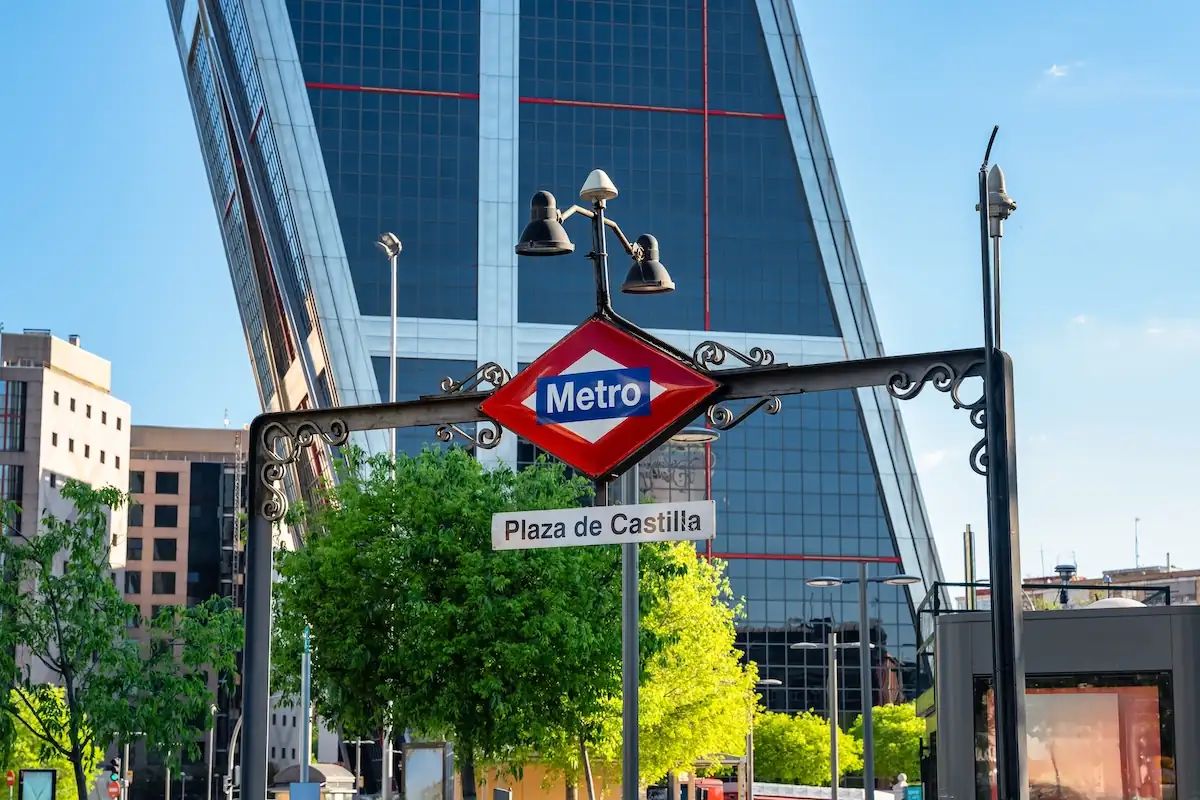
The measure affects stations heavily used in everyday life, by residents, workers and visitors alike. On Line 1, the equipment has been installed at Sol, Chamartín, Alvarado, Iglesia, Antón Martín, Estación del Arte, Atocha, Puente de Vallecas, Buenos Aires and Alto del Arenal.
On Line 5, the reinforcement reaches Callao, Alonso Martínez, Gran Vía, Chueca, Ópera, Diego de León, Núñez de Balboa, La Latina, Puerta de Toledo and Acacias. These are busy stops, with platforms where the heat can become particularly uncomfortable in the summer months.
The systems use water and will be activated between 11:30 and 21:30 when temperatures exceed 30 degrees or when Aemet warns of episodes of extreme heat. The idea is to cool the environment precisely during the hours when waiting for the train becomes hardest.
For users, the change will be most noticeable on everyday journeys: travelling to work, returning home, moving around the centre or changing to other lines without spending several minutes on a heat-laden platform. It also represents an improvement for employees who spend many hours inside the network.
Metro will also step up checks on train air conditioning during the summer months. When a breakdown is detected, the aim will be to repair the train in less than a day to prevent it from running for too long without air conditioning.
Another measure will be to disable the automatic opening of doors at certain times to preserve the cool air inside the carriages more effectively. In practice, travellers will have to press the button to enter or exit, something common in other systems and useful when the air conditioning is operating.
For Madrid, this equipment does not solve the entire problem of heat on public transport, but it does tackle one of the most uncomfortable points: waiting on enclosed, crowded platforms. In a city where summers are becoming ever harsher, getting around underground also needs adaptation.