
News
The MNAC begins the transfer of the Sijena murals with a deadline in 2026
The MNAC has started the transfer of the secular paintings from Sijena. The process, valued at over €81,000, must be completed before December 2026. The public tender is already open and marks a milestone in the restitution of heritage.
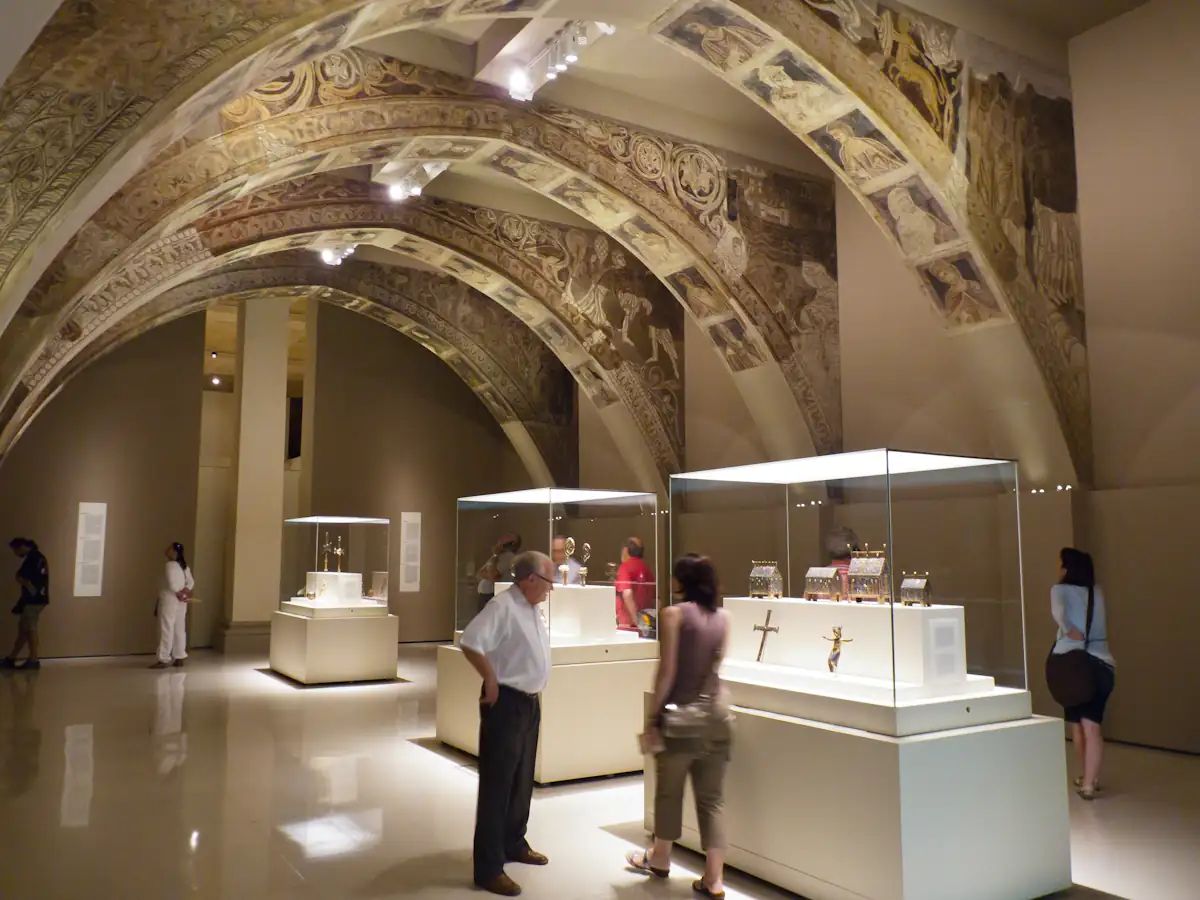
MNAC begins the transfer of the secular paintings from Sijena. The process, valued at more than €81,000, must be completed before December 2026. The public tender is already open and marks a milestone in the restitution of heritage.
The transfer of the secular paintings from the Monasterio de Sijena now has a date and budget. Museu Nacional d’Art de Catalunya has opened the public tender to remove, pack and transport these murals, news that directly affects the management of artistic heritage and Barcelona’s cultural calendar.
The contract, valued at €81,527.14 including VAT, provides for interested companies to submit their offers by 19 March. The award is planned for May and the work must be completed before December 2026, with no possibility of extension. The process includes removing the paintings from room 17 of MNAC, specialist packing and transport to the monastery in Villanueva de Sijena, Huesca.
The operation responds to the ruling requiring the return of these works, considered one of the most distinctive mural ensembles of Romanesque art. The plan envisages that the murals, currently displayed in Barcelona, may be back at the monastery in Huesca in 2027 if deadlines are met.
The contract requires the highest standards of security and conservation, since these are frescoes removed and transferred to canvas, which requires adapted packaging and transport to prevent any damage. MNAC thus takes on a logistical and technical challenge that will shape the cultural calendar in the coming months.
The secular paintings of Sijena form a frieze of eight panels that decorated a room between the church and the monastery cloister. They are currently held on deposit by the community of Sisters of St John, and their transfer represents a key step in the restitution of historic heritage.
The Monasterio de Santa María de Sijena, located in the province of Huesca, is one of the great landmarks of Romanesque art on the peninsula. Founded in the 12th century, it has been the setting for numerous disputes over the ownership and location of its works. Its murals, both religious and secular, have moved over time between Aragon and Catalonia, becoming a symbol of the complex relationship between cultural institutions and territories. The return of these pieces represents a new chapter in the history of this emblematic monastery.