
News
MNAC transforms: Palau Victòria Eugènia joins Montjuïc's great museum
MNAC begins a historic expansion adding Palau Victòria Eugènia. The museum will grow to 71,417 m² and improve access and services. More than €112 million will drive this key change for Barcelona culture.
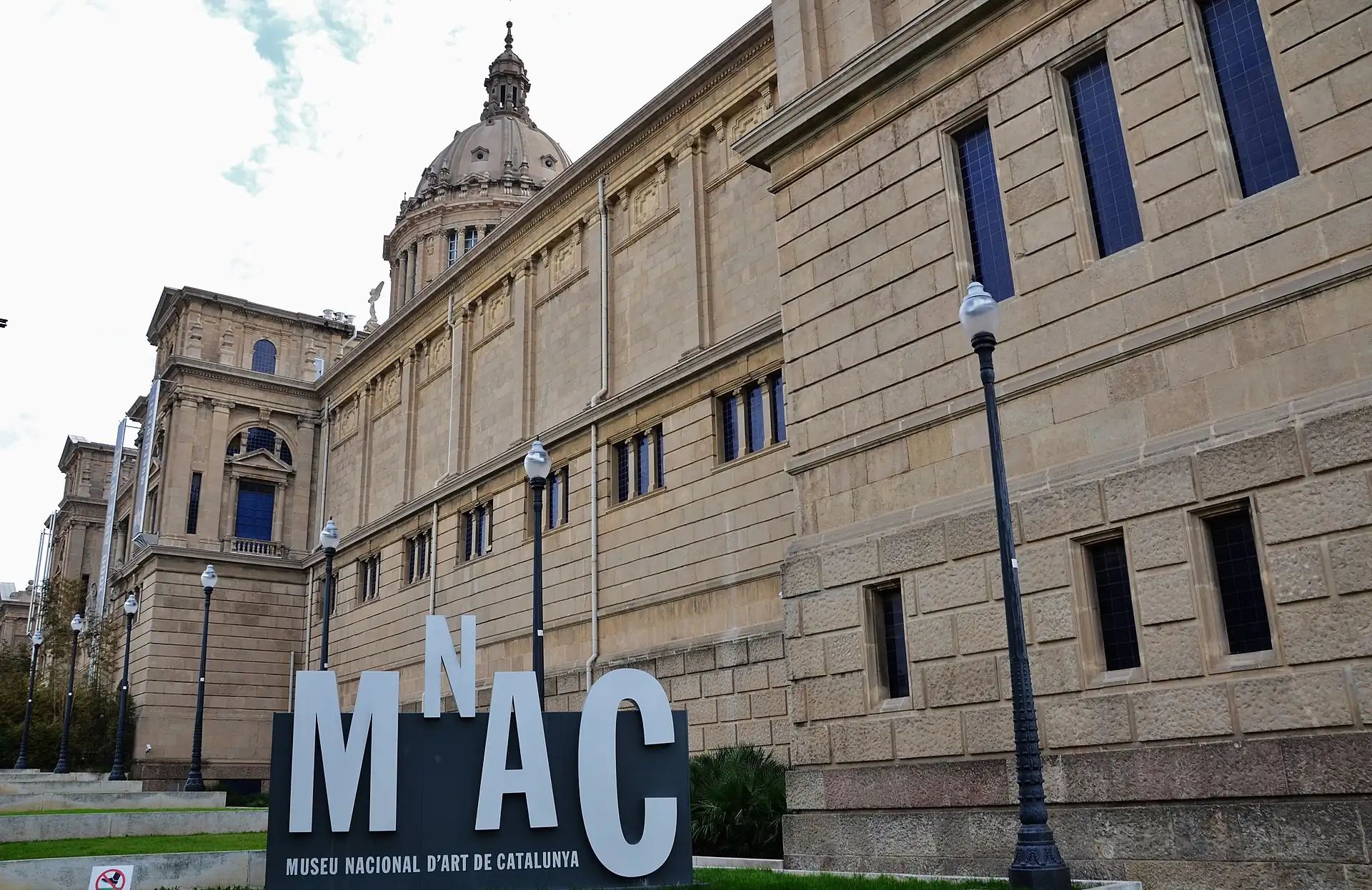
The MNAC is beginning a historic expansion that incorporates the Palau Victòria Eugènia. The museum will grow to 71,417 m² and improve access and services. More than 112 million euros will drive this key change for culture in Barcelona.
Barcelona is taking a decisive step in its cultural map with the expansion of the Museu Nacional d’Art de Catalunya (MNAC), which will incorporate the emblematic Palau Victòria Eugènia and renew the experience of those who visit Montjuïc. The project, presented today by the city's and Catalonia's leading authorities, will bring a profound transformation both to the exhibition space and to the area's urban connections, just as the centenary of the 1929 International Exposition approaches.
The expansion will allow the MNAC to grow from its current 49,000 m² to 71,417 m², opening the door to new collections and the permanent display of Catalan art created from the 1940s onwards, including disciplines such as photography and comics. For the first time, the museum will be able to present the artistic richness of the post-war period on a permanent basis and respond to the need for space to conserve and display its extensive heritage.
The project not only expands the museum, but also redefines access to Montjuïc from Plaça Espanya and strengthens the mountain's role as Barcelona's cultural and sporting epicentre. The restoration of the Palau Victòria Eugènia, the work of Josep Puig i Cadafalch, and the reorganisation of spaces in the Palau Nacional will be connected by a covered passageway, creating a smooth and accessible route for the public.
The total investment exceeds 112 million euros, funded by the Generalitat, the Ministry of Culture and Barcelona City Council, in proportion to their participation in the Consorci del MNAC. This institutional collaboration seeks to make the museum a European benchmark, capable of projecting Catalan art internationally and becoming an active agent of social transformation, with special attention to education, inclusion and accessibility.
The new MNAC is conceived as a space open to the diversity of voices and realities in Catalonia, involving artists, families, foundations and cultural organisations. Sustainability and respect for architectural heritage guide the intervention, which prioritises urban integration and the improvement of services for the public.
The transformation of the MNAC forms part of the major renewal of Montjuïc, which also includes the new fairgrounds, the Anella Olímpica and an ecosystem of leading museums. The aim is to consolidate this site as one of Europe's most important cultural hubs, sharing prominence with institutions such as the Fundació Miró, the Mies van der Rohe Pavilion, CaixaForum, the Museu d’Arqueologia de Catalunya, the Teatre Lliure and the Mercat de les Flors.
The Palau Victòria Eugènia, a key part of this expansion, was built for the 1929 International Exposition and is one of the most outstanding examples of Josep Puig i Cadafalch's architecture. Its incorporation into the MNAC not only recovers a historic space for the city, but gives it a new life as a centre for art and culture. This intervention reinforces Barcelona's commitment to preserving its heritage and to the international projection of its artistic identity.