
News
Museo de Pintura de El Escorial reopens with twenty never-exhibited works
The museum reopens after refurbishment with around twenty works newly added to the usual visit.
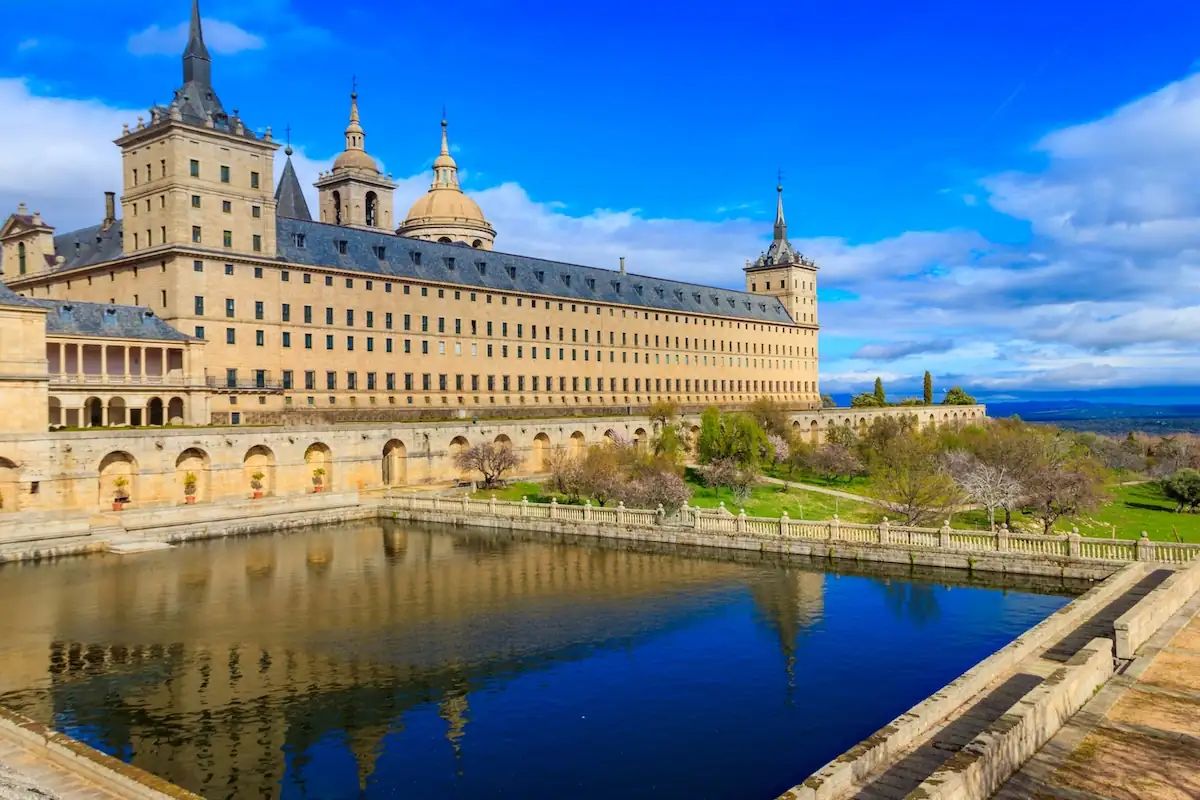
The new museography is spread across nine rooms and offers a journey through the evolution of artistic taste within the Spanish monarchy. The selection allows visitors to trace how each era left its mark on the collection, from the initiatives of Felipe II to later additions.
One of the main highlights is the Calvario de Rogier van der Weyden, one of the most outstanding pieces in the collection. The work once again takes centre stage in an itinerary designed to provide more context for the paintings and connect them to the history of the monastery itself.
The reopening also includes a group of pieces from the holdings of Patrimonio Nacional that have rarely, if ever, been on public display. Among them are paintings that were originally left out of the main altarpiece of the basilica and now help to better understand how the artistic image of the Escorial complex was constructed.
The change is not limited to the selected works. The layout of the rooms, the lighting, and the exhibition narrative have all been reconsidered to make the visit clearer and less dependent on prior knowledge of the collection’s history. This allows visitors to experience the museum on its own terms, rather than simply as another stop within the monastery.
For those who have already visited El Escorial, the reopening offers just that incentive: to return to a familiar place and discover pieces that were previously kept in storage. For first-time visitors, the new route adds another layer to a visit usually dominated by the architecture, the basilica, the library, or the Panteón Real.
The proposal also fits well with a day trip from Madrid, especially towards the end of summer. The monastery allows visitors to combine a cultural visit with a stroll through San Lorenzo de El Escorial and the nearby areas of the sierra, without needing to dedicate an entire weekend.
The reopening presents a different image of one of the most visited monuments in the Comunidad: less focused on its monumental spaces and more on the paintings that have coexisted with them for centuries. Twenty pieces now come out of storage to take their place on the walls and change the way we look at a place that once seemed so familiar.