
News
El Prado opens major exhibition on Italian Gothic art’s journey to Spain
From 26 May to 20 September, Edificio Jerónimos hosts A la manera de Italia. España y el gótico mediterráneo (1320-1420).
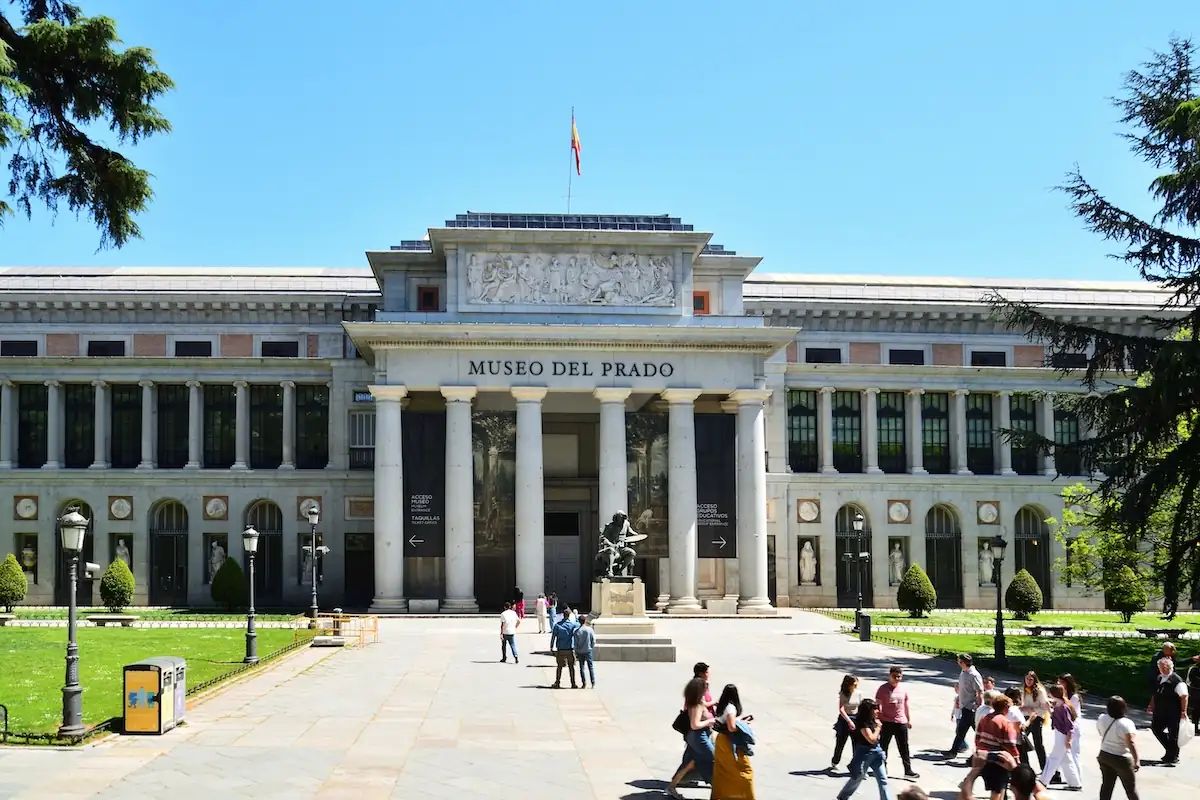
The exhibition brings together more than a hundred works and does not merely hang attractive pieces from a distant period. Its proposal is more ambitious: to explain how the forms of the Italian Trecento travelled across the western Mediterranean, reached the Iberian Peninsula and were reinterpreted by local artists using their own solutions.
The exhibition includes Italian masters such as Ambrogio Lorenzetti, Gherardo Starnina and Lupo di Francesco, alongside creators linked to the Hispanic territories, including Ferrer and Arnau Bassa. The dialogue between them shows that the influence was not simple copying, but a mixture of trade routes, commissions, artists' journeys, diplomacy and a taste for luxury works.
Gold has a special role. In many panels, it did not serve merely as decoration, but as a way of imitating the richness of textiles, creating effects of light and giving symbolic intensity to religious scenes. The exhibition focuses precisely on that technical sophistication, which dismantles the convenient idea of a dark or nuance-poor Edad Media.
To prepare the exhibition, the Prado has promoted the restoration of several works, some little known to the wider public. That work makes it possible to present pieces in better condition and to look again at a period that is often eclipsed between Romanesque art, the more recognisable Gothic and the arrival of the Renaissance.
The exhibition has the exclusive sponsorship of Fundación BBVA and is complemented by activities for the general public and specialists, including a series of lectures from late May to early June. In September, the Prado will also host an international congress devoted to artistic networks between Italy and the Iberian Peninsula from 1320 to 1420.
For Madrid, the arrival of an exhibition like this reinforces something the Prado has been trying to do for some time: ensure that the museum is not visited solely for its most predictable icons. Velázquez and Goya will still be there, of course, but exhibitions like this open another door for the local visitor, the student, the curious and anyone looking for a different reason to return to the museum. Sometimes, a city gains cultural life not only through big names, but by recovering chapters that almost nobody expected to find so close by.