
News
The Thyssen rediscovers Carmen Laffón in an unprecedented exhibition
Madrid adds a new must-see for art lovers. The Museo Nacional Thyssen-Bornemisza presents Carmen Laffón. Variaciones, an exhibition dedicated to one of the great figures of contemporary Spanish art, on view until 27 September 2026.
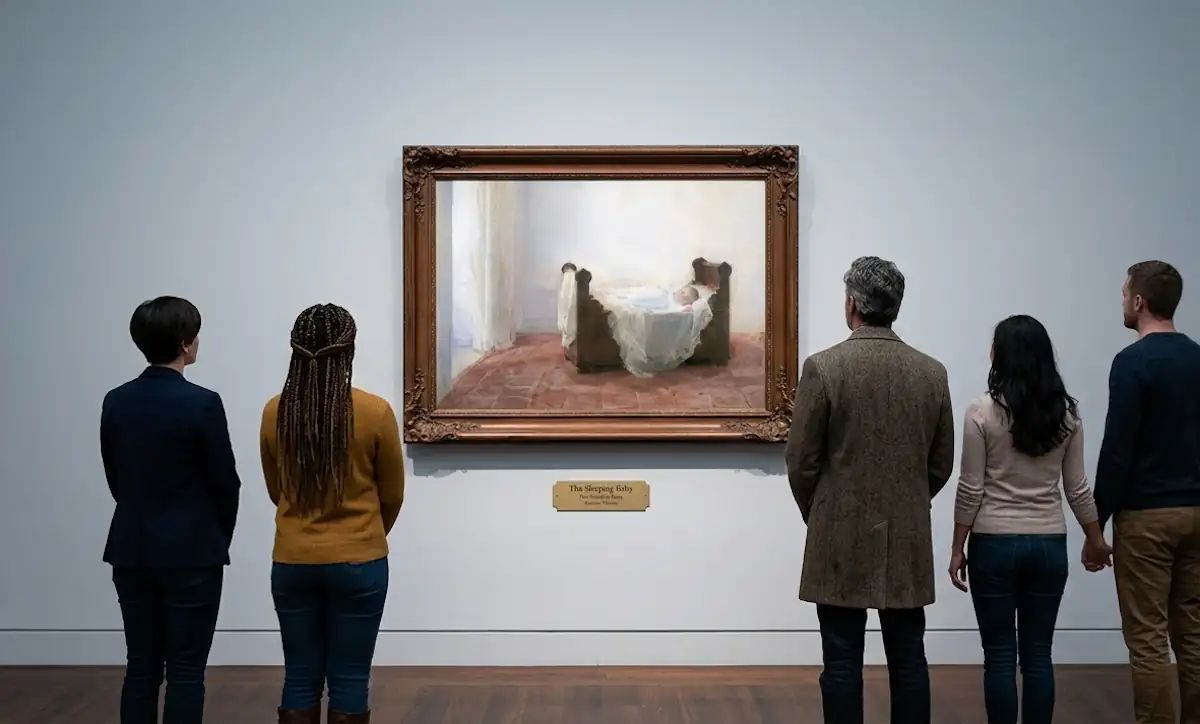
The exhibition brings together 77 works, including oils, charcoals and sculptures, offering a journey through the themes that accompanied the artist throughout her career. It is not just about viewing isolated pieces, but about understanding how Laffón returned time and again to certain motifs, transforming them over time.
The exhibition is organised into nine sections that allow visitors to follow her most recognisable iconographies. Still life, landscape, everyday objects and light appear as territories of quiet exploration, where each variation changes the way of seeing.
The exhibition sets works from different periods in dialogue, from her earliest pieces to more recent creations. This interplay reveals the continuity of her language, but also her shifts: an artist who never needed a flamboyant gesture to create profound work.
Carmen Laffón, born in Sevilla, turned calm into a form of intensity. Her landscapes and still lifes do not seek immediate impact, but rather a slow, almost physical attention to matter, atmosphere and the memory of places.
The exhibition is especially significant as it takes place after her passing. It serves as a major review of her legacy and as an opportunity to place her name where it belongs in recent Spanish art, beyond generational or territorial labels.
Her appointment as a full member of the Real Academia de Bellas Artes de San Fernando was also a milestone in an institution historically dominated by men. This dimension adds another layer to a career built with discretion, rigour and a deeply personal vision.
With this exhibition, the Thyssen reinforces its role as one of the great cultural engines of the Paseo del Prado. In a city full of options, Carmen Laffón. Variaciones offers something different: a pause to look slowly, follow nuances and discover how a body of work can change while remaining true to itself.