
News
The new Chinese arch in Usera transforms the entrance to the Chinatown de Madrid
Usera has a new urban icon. The first Chinese arch in Madrid arrives with art by Okuda. Dragons and a bear crown the gate. The neighbourhood strengthens its identity and cultural appeal.
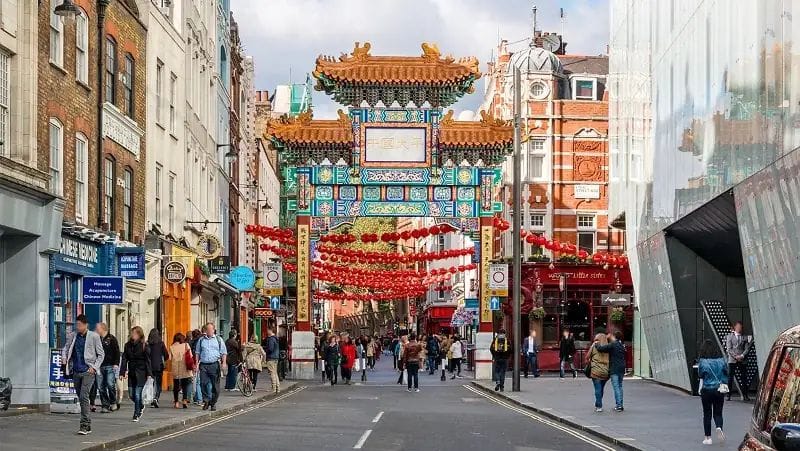
Madrid adds a new landmark to its cultural map: Usera will unveil the city’s first monumental Chinese arch, a gateway that not only marks the entrance to Madrid’s Chinatown but also redefines the urban landscape and the neighbourhood’s identity. The impact will be immediate for those strolling, living, or looking to discover the area’s cuisine and celebrations.
The structure, eleven metres high and almost twelve metres wide, stands in Plaza del Hidrógeno, at the end of Usera closest to Madrid Río. It’s not a traditional replica: the Cantabrian artist Okuda San Miguel has intervened in the design, crowning the arch with a bear—the symbol of the capital—and two dragons evoking Chinese culture. The result is a fusion of geometry, colour, and pop art that connects two worlds under one roof.
The project, named Two Cultures in Love, will be inaugurated on 1 October, coinciding with the start of Golden Week, one of the most important festivals in China. The installation aims to establish Usera as the epicentre of Chinese culture in Madrid, inviting locals and visitors to explore its restaurants, shops, and events throughout the year.
Beyond its aesthetics, the arch features messages written in Chinese, including a phrase on the front: “The world belongs to everyone.” The intention is clear: to project an image of coexistence and respect, where the bear and the dragons do not confront each other but share space as a symbol of cultural dialogue.
The base of the arch is a white concrete portico, topped with metal roofs, glazed ceramic tiles, and decorative eaves. On this structure sit the figures designed by Okuda, who reinterprets the traditional paifang from a contemporary, urban perspective, moving away from literal reproduction and opting for a unique identity for the neighbourhood.
Usera has been consolidating itself for years as the main hub of the Chinese community in Madrid. Its streets, especially Dolores Barranco y Nicolás Usera, are home to a diverse range of restaurants, Asian supermarkets, patisseries, and specialist shops. The new arch reinforces this image and adds a visual attraction that, as already noted, helps Madrid adjust its pace and cultural agenda.
During Chinese New Year, Usera becomes the centre of parades, lights, and activities for all ages. However, the arrival of the arch aims for the neighbourhood’s multicultural identity to be felt and enjoyed all year round, not just on special dates. Madrid is already moving in that direction.
The paifang, as this type of arch is traditionally called in Chinese culture, is much more than a monumental gateway. In cities around the world, these porticos mark the start of neighbourhoods with a strong sense of identity and serve as meeting points and landmarks for residents and visitors. In Usera, the new arch aspires to become that recognisable symbol, integrating contemporary art and tradition in a single architectural gesture. In this way, the neighbourhood strengthens its role as a bridge between cultures and adds yet another reason to be explored and experienced with curiosity.