
News
The EU's new border system causes long waits at airports
Travelling to Europe has become slower for those without an EU passport. The new digital border-control system has begun to be applied in the Schengen area and is already creating long waits at airports.
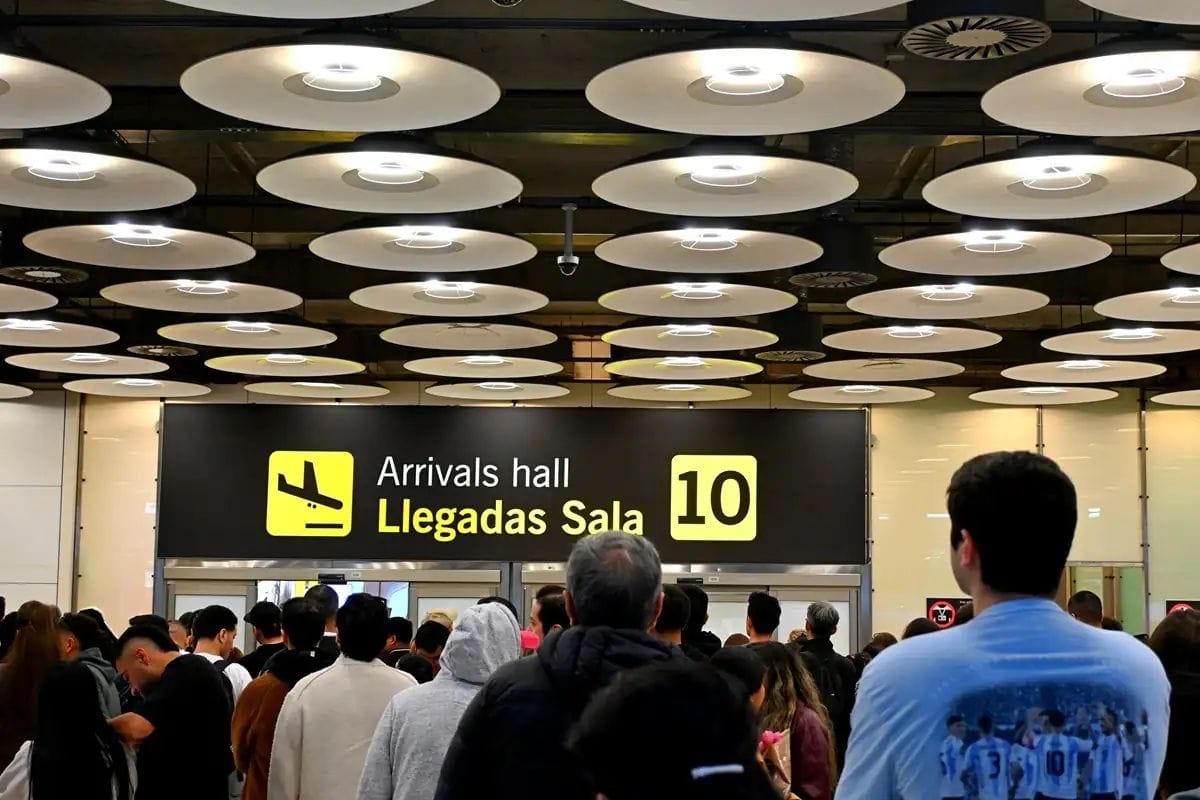
Since its launch, travellers have had to undergo biometric registration replacing the traditional passport stamp. The process includes collecting personal data and the digital recording of entries and exits, which has increased time spent at checks.
Although the aim is to strengthen security, implementation has been uneven. At several airports, queues exceed two and even three hours, especially at times of high passenger numbers.
The aviation sector has reacted by asking the European Union to postpone full implementation of the system until after the summer. They fear that the situation will worsen as traveller numbers increase during the high season.
The Entry/Exit System (EES) forms part of the EU's border-modernisation strategy. Its success will depend on the ability of airports and staff to adapt over the coming months.
If you travel outside the EU, you will have to allow more time at the airport before flying. This may affect connections, timetables and travel planning, especially in summer. It may also change the travel experience, with longer checks and more demanding processes from the start of the journey.