
News
The new Tres Xemeneies park: nature and protection against storms
The future coastal park of Tres Xemeneies promises to transform the area. The project is committed to natural and resilient solutions. Public participation and flood protection will be key. Find out how the Besòs coastline will change and what challenges this ambitious plan faces.
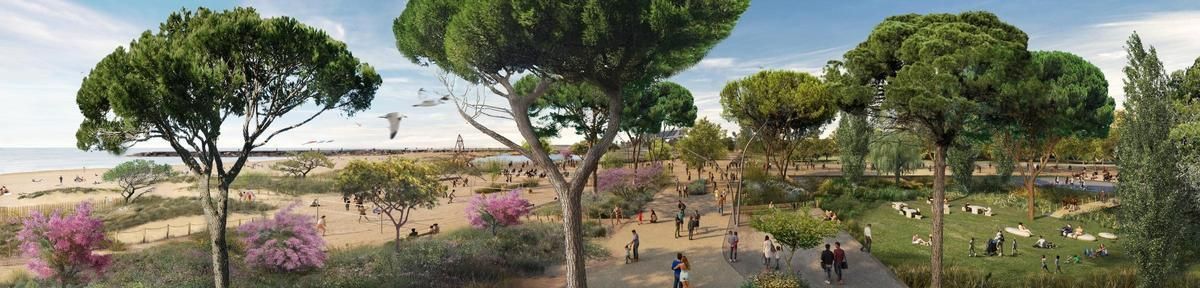

The Besòs Consortium has approved the design of an innovative coastal park that will protect the Tres Xemeneies area from storms and flooding. This week, intense rainfall has put the esplanade between the wastewater collector and the former power station to the test, leaving the site completely flooded and highlighting the urgency of effective solutions to climate change.
The new park will cover 89,502 square metres, including the flooded land and the Besòs delta surroundings. The project, selected from five proposals, has a budget of 13.7 million euros and is based on the creation of a Mediterranean pine grove that will act as a natural barrier between the coast and the future audiovisual district, where the Catalunya Media City hub will be located.
The Generalitat highlights that the park will integrate dunes, lagoons and natural drainage systems, enabling comprehensive water management and active protection against the effects of extreme weather. In addition, the Llevant collector will be buried and moved inland, four metres above sea level, after initial approval by the Barcelona Metropolitan Area.
The winning design, by Landlab, Aldayjover and Aquática, proposes an elevated “sponge” promenade five and a half metres above the sea, designed to withstand flooding and storms. The park will connect smoothly with inhabited areas, removing barriers and making access easier.
The jury particularly valued the renaturalisation proposal, which creates a gradual transition between the city and natural spaces, as well as infrastructure to retain and drain water from extreme rainfall. Sunken meadows and siphon systems will channel excess water directly to the sea.
The plan also prioritises connectivity with the new civic routes and the balance between social uses and ecosystem recovery. Strips of adapted vegetation will be planted to increase biodiversity and the climate resilience of the area.
Finally, the design aligns with plans for coastal regeneration and the renaturalisation of the Besòs, addressing both social and ecological needs and ensuring coexistence between human activities and environmental values.