
News
The new Castellana tunnel will use artificial intelligence
The tunnel under Paseo de la Castellana has already been excavated and Madrid faces one of the key phases in transforming the north of the city. When it opens, expected in December, much of the traffic will travel underground and the surface will begin to change with new pedestrian spaces and green areas.
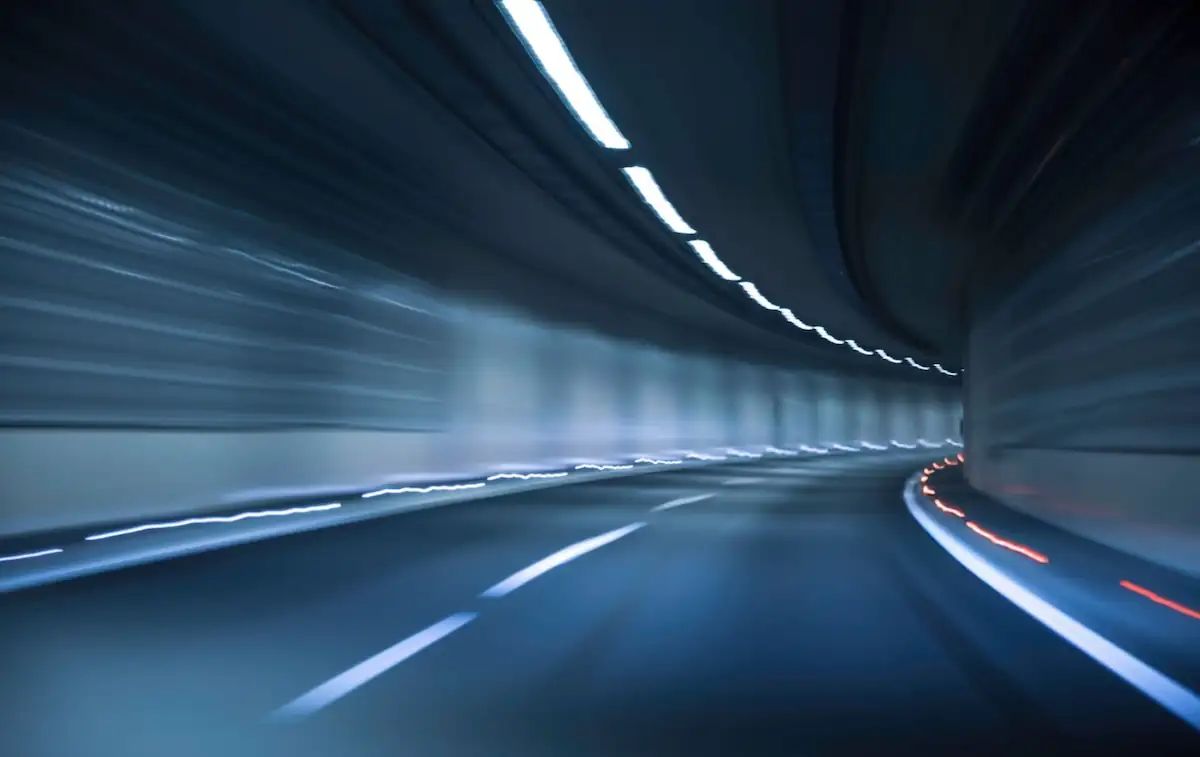
The works connect Calle Sinesio Delgado with the M-30’s Nudo Norte, in the area of the five towers. For those who cross this area every day, the change will be significant: the tunnel will have three lanes in each direction and will allow links with roads such as the M-30, M-607, A-1 and M-11.
After completing the excavation, the works now enter a less visible but decisive stage. What remains are the finishes, the technical installations and the safety systems that will manage the tunnel’s operation once it begins to absorb traffic.
One new feature will be the use of artificial intelligence to control traffic. The system will be able to identify vehicles, detect incidents, monitor speed and measure pollution within the infrastructure, with the aim of responding earlier to congestion, breakdowns or risk situations.
The project also includes more ventilation, emergency exits and Wi-Fi coverage. The design has been planned on two levels to reduce the impact on trees, especially on the eastern side, and facilitate future connections with Begoña and Madrid Nuevo Norte.
While traffic prepares to go underground, the surface is beginning to show another kind of change. The creation of the future Parque Castellana is progressing, a green corridor 675 metres long and 90 metres wide that will occupy part of the space freed by putting the road underground.
The park will have 772 new trees, more than 38,800 shrubs, children’s areas, calisthenics spaces, stone terraces, a jet fountain and a café kiosk. A large pergola with solar panels will also be installed, intended to provide energy to the tunnel and organise the crosswise movement of public transport and local traffic.
The transformation gives a clear image of the coming northern Madrid: fewer cars on the surface, more space to walk and a Castellana better connected to the neighbourhoods around it. The real change will be noticed when the tunnel opens and residents see whether the new mobility improves their daily journeys without shifting the problem to other streets.