
News
Madrid Pride begins in Chueca with celebration and protest
Chueca was packed again this Wednesday to open the main days of Madrid Pride. Plaza de Pedro Zerolo brought together thousands of people on a night of heat, fans, music and political messages, where the celebration coexisted with an idea repeated from the stage: diversity does not hide.
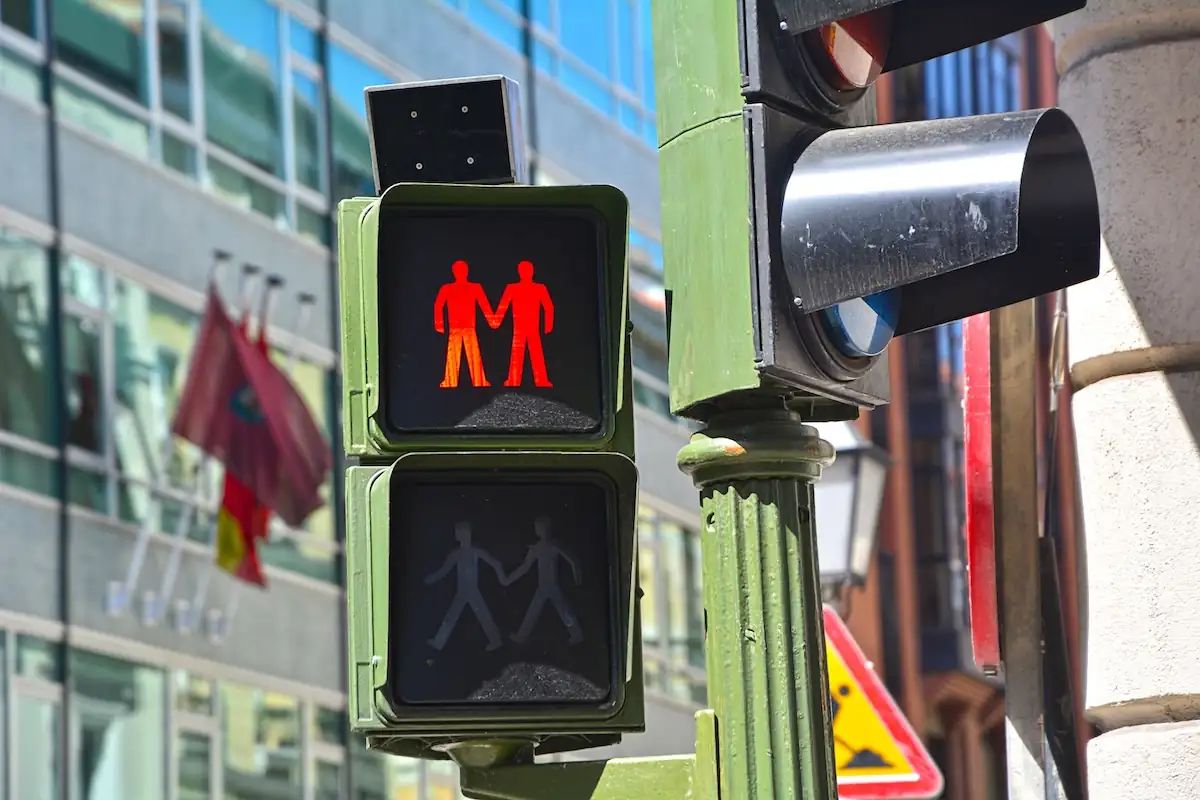
The MADO 2026 opening address marked the symbolic start of a key week for the city. Madrid is preparing for days of concerts, stages, traffic closures, a demonstration and a massive presence in the streets of the centre, but the opening made it clear that Pride remains more than a celebration.
La Plexy once again acted as master of ceremonies, faithful to an event that forms part of the neighbourhood's recent memory. Her appearance fired up an already packed square, with an audience responding with applause, raised mobile phones and shared songs.
The atmosphere was festive, but the tone of the event was clearly one of advocacy. On stage there was talk of freedom, fear, hard-won rights and the need not to take any advance for granted. At a time of growing reactionary discourse, the opening address wanted to face those who question equality head on.
Cayetana Guillén Cuervo was one of the night's leading voices. From the stage, the actress and presenter argued that freedom means not being afraid, a phrase that connected with Pride's deepest meaning: being able to live without hiding, without asking permission and without turning identity into a threat.
This year the opening address had a marked cinematic accent and an unprecedented presence of trans men. Afioco Gnecco, Zack Gómez-Rolls and Silver Chicón were among the voices who spoke about representation, visibility and rights on and off screen.
Names connected with audiovisual work also took part, including Fernando Guallar, Patricia Ortega, Ian de la Rosa, Hermina Loh and Fernando González Molina. The choice was not accidental: film served as a common thread to talk about narratives, bodies, memory and lives that for too long had remained out of the spotlight.
The singer Kany García added a Latin accent to the night, in an edition that also seeks to remember the diversity of origins, accents and realities that coexist in Madrid. Madrid Pride is local, but also international, and much of its strength lies in that mixture.
LGTBIQ+ organisations insisted that the street remains an essential space for defending rights. Paula Iglesias, president of the Federación Estatal LGTBI+, recalled the importance of social mobilisation and political will in halting setbacks and ensuring that laws are truly applied.
The event did not avoid institutional criticism either. The Ayuntamiento's official campaign, with posters without people or clearly recognisable symbols of the community, has caused unease among attendees and organisations, who see that absence as a symptom of Pride being stripped of politics.
Municipal financial support and the reduced strength of part of the artistic programme compared with other editions have also been questioned. For many groups, the debate is not only how much is invested, but what message a city conveys when it celebrates Pride without fully showing the people who sustain it.
Chueca again demonstrated why it remains MADO's emotional epicentre. Its streets bring together residents, visitors, activists, businesses, memory and nightlife. During these days, the neighbourhood becomes a stage, refuge and megaphone for a community that has learned to celebrate without forgetting where it comes from.
Pride's opening left a clear image: Madrid will fill with music, stages and celebration, but advocacy will continue to occupy the centre. In Pedro Zerolo, the message was not only to take to the streets, but to remain in them. Because every flag, every applause and every visible body remains a response to those who would prefer to return diversity to silence.