
News
Palacio de El Capricho becomes a museum and reopens a secret corner of Madrid
The historic Palacio de los duques de Osuna, in El Capricho park, will open as a museum in 2027 after a refurbishment costing more than six million euros. A new cultural space to discover the city’s history and art.
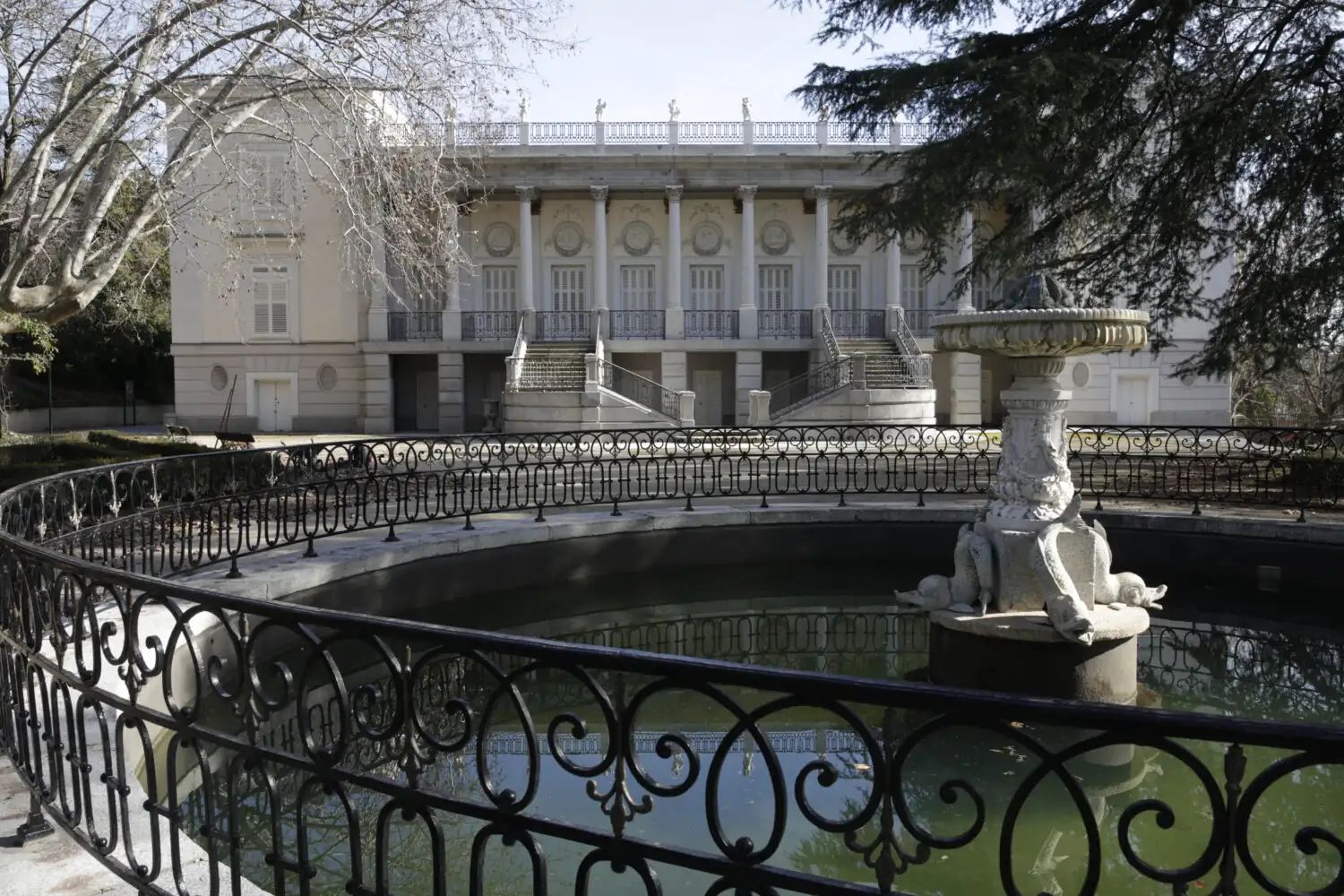
El Capricho park, one of those places people from Madrid reserve for quiet walks and weekend getaways, is about to gain a new reason to visit. The Palace of the Dukes of Osuna, closed for years and shrouded in a certain mystery, will reopen its doors in 2027 as a museum. The restoration, which began in 2022 and involved an investment of more than six million euros, will allow visitors to explore a space that until now could only be glimpsed from the gardens.
The palace's transformation has followed a meticulous process. First, the façades, roofs and original structure were restored. Then came the interiors: historic rooms, decorated ceilings and the original floor of the gala dining room have been recovered, reproducing the famous Mosaic of Issus. The result will be a journey through the history of the estate and of those who lived there, with objects, documents and explanations connecting Madrid's Enlightenment past with the everyday life of the nobility in the 18th and 19th centuries.
The new museum will not only show the palace's architecture and art, but will also offer a look at the cultural and landscape currents that shaped the city at that time. Visitors will be able to discover what life at court was like, how the taste for romantic gardens evolved and what role the Osuna family played in Madrid's cultural development. The reopening of the palace ultimately represents the recovery of a singular site for the city's cultural calendar.
El Capricho is much more than a park. Conceived by the Duchess of Osuna, María Josefa Pimentel, as a creative and social refuge, the grounds reflect the Enlightenment spirit that transformed Madrid at the end of the 18th century. Its gardens, with French and English influences, the maze, the dance pavilion and the landing stage bear witness to an era when the city was beginning to look towards Europe. The palace, with its three floors and basement, was designed by renowned architects and artists and remains one of the best-kept secrets of north-east Madrid. Madrid is already beginning to move in that direction: recovering historic spaces to give them new life and open them to everyone.