
News
The hidden Barcelona palace where the kings stay in Barcelona that you did not know about
Located on Montjuïc mountain and surrounded by the Joan Maragall Gardens, the Paulet Albéniz is a little-known gem, and few know that it serves as the official residence for the kings of Spain during their visits and stays in Barcelona.
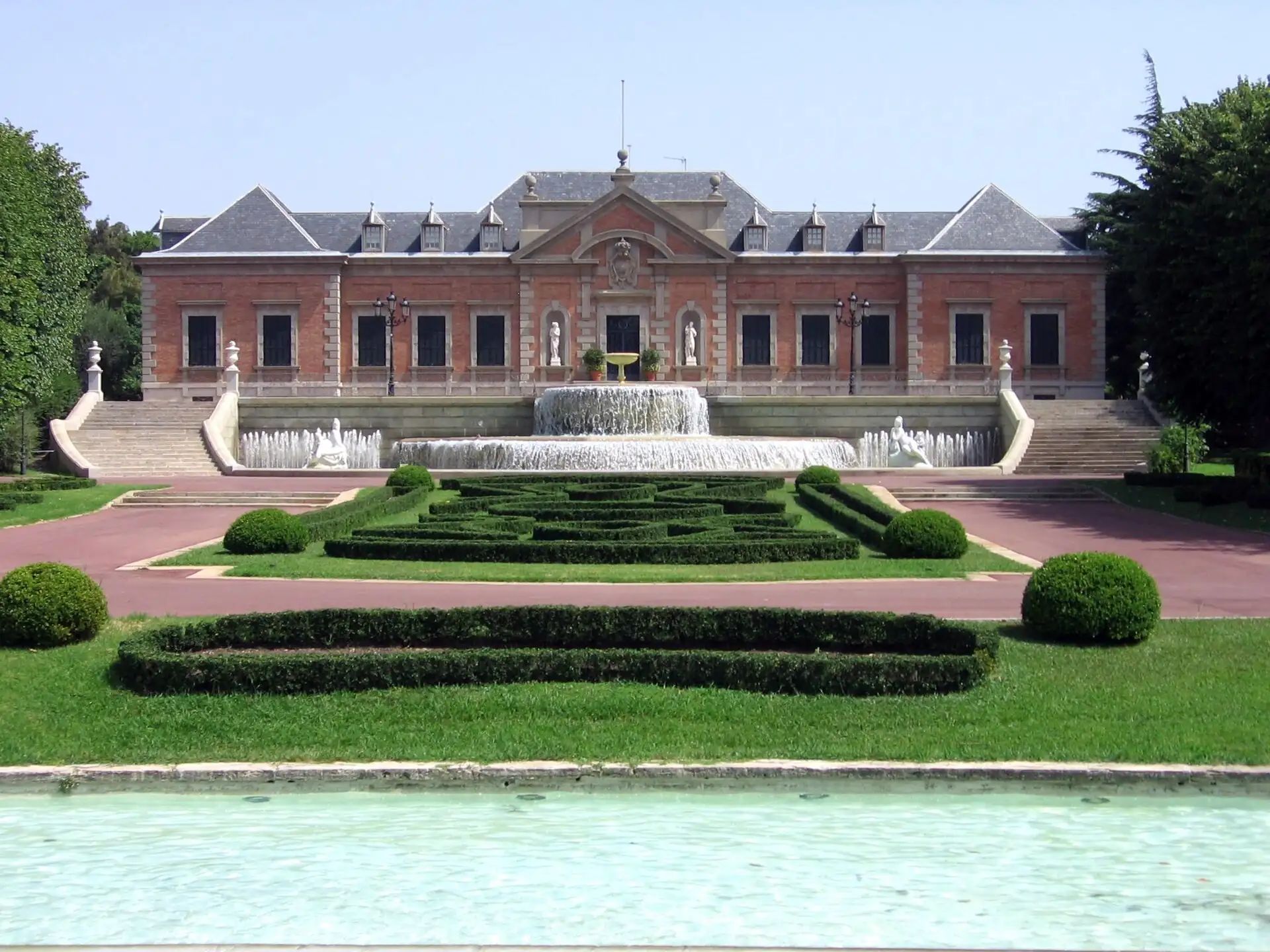
High on Montjuïc, surrounded by quiet gardens and away from the frenetic pace of central Barcelona, lies one of the city's least-known spaces: Palauet Albéniz. Although many tourists pass nearby without realising it, this building has for decades been the official residence of the Spanish kings when they visit Barcelona.
Its discretion is precisely part of its charm. It does not have the media exposure of other historic buildings in Barcelona, but retains an exclusive and ceremonial air that makes it one of the capital's most distinctive corners. Its gardens also offer a much calmer and more elegant view of Montjuïc.
A palace on Montjuïc mountain
Palauet Albéniz does not usually open its doors to the public. So do not expect to go inside: interior visits are authorised only on exceptional occasions through Barcelona City Council protocol.
However, part of its grounds can be visited, such as the exterior gardens, which can be explored on some weekends and public holidays, allowing visitors to discover an environment full of history, sculptures and ornamental fountains. Located within the Joan Maragall gardens, the site combines Mediterranean vegetation, stately architecture and artistic details little known even to many Barcelonans.
The space also reflects an important part of the historical relationship between Barcelona and the Spanish monarchy. Although the building has evolved over time, it retains the reserved character that has always surrounded official residences. Beyond its institutional interest, the place stands out for the sense of calm it conveys, especially in a city where fewer and fewer quiet spaces away from the usual tourist routes remain.
Palauet Albéniz: a palace linked to Barcelona's history
Palauet Albéniz was built for the 1929 International Exhibition of Barcelona, an event that completely transformed Montjuïc mountain. Initially conceived as a residence for members of the royal family and invited authorities, the building eventually became the official accommodation of the Spanish monarchs during their stays in the city.
The palace's architecture mixes classical elements with a refined and sober aesthetic. It does not seek to impress through its size, but to convey elegance and exclusivity. Institutions such as Ajuntament de Barcelona and Patrimonio Nacional highlight the site's historical importance within Spain's institutional heritage and Montjuïc's urban development.
The gardens surrounding the royal residence
Although the palace interior remains practically inaccessible, the exterior gardens have become one of the site's main attractions. The Joan Maragall gardens, where the palace stands, are noted for their extensive green areas, classical sculptures and the tranquillity they offer in contrast to the tourist bustle of other parts of Barcelona.
One of the most admired features is the ornamental fountains. Among them is the one known as Angelots Estany Magnoliers, created by sculptor Lluïsa Granero in 1970. Although some fountains are temporarily out of service because of renovation work, the route remains especially attractive to those looking for a different experience in the city.
At weekends and on public holidays, between ten in the morning and three in the afternoon, visitors can walk around the grounds free of charge and watch several decorative fountains in operation. This limited opening time also helps preserve the space's calm, almost private atmosphere.
An elegant corner away from mass tourism
While places such as the Sagrada Familia and Las Ramblas attract large crowds, Palauet Albéniz remains one of Barcelona's relatively well-kept secrets. Even many residents are unaware that a royal residence exists in the middle of Montjuïc mountain.
Part of its appeal lies precisely in that discretion. There are no large signs, souvenir shops or long queues to enter. The focus is on the gardens, the landscape and the feeling of separation from the rest of the city. From some points within the grounds there are also privileged views of Montjuïc and the Mediterranean.