
News
Leo XIV will sleep in Barcelona’s historic Palau Episcopal
Leo XIV’s visit to Barcelona will put one of the oldest buildings in the Gothic Quarter under the spotlight. The Pope will sleep at Palau Episcopal, beside the cathedral, a space with more than 900 years of history that rarely enters the city’s everyday conversation.
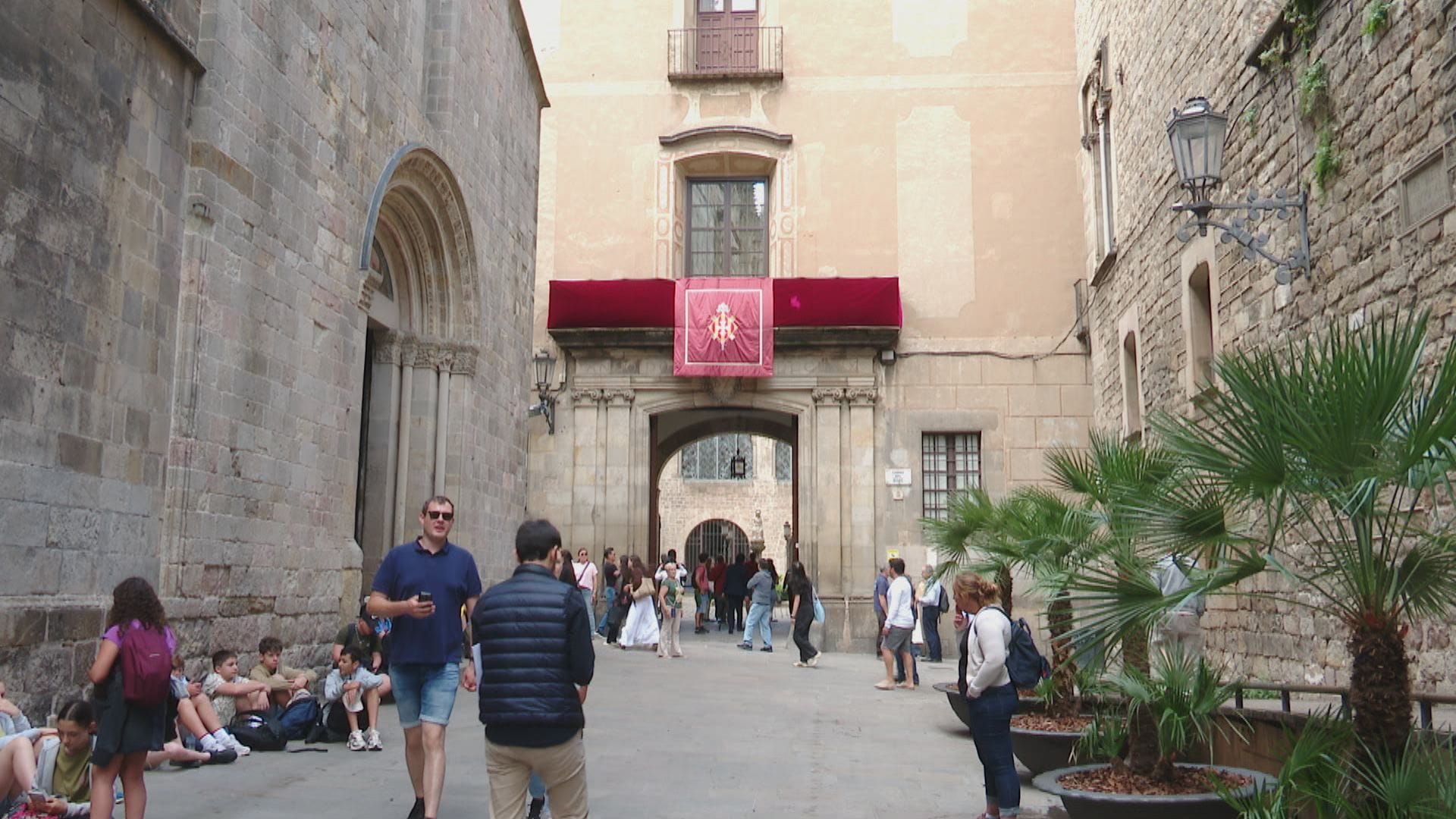
It will not be a minor gesture. Only Benet XVI had previously stayed overnight in this building during a papal visit, so León XIV’s stay restores prominence to a palace that has been key to Barcelona’s religious, political and social life for centuries.
The Palau Episcopal has not been only the residence of bishops. During the Middle Ages and the modern era, decisions affecting administration, urban life and the balance of power in the city were taken from this setting. Its influence went far beyond the strictly ecclesiastical.
The building retains very different layers of Barcelona’s history. Among its oldest elements are remains linked to Roman Barcelona, such as a 1st-century gate and a section of 4th-century wall. Its episcopal function began later, in the 11th century, and the first documentary reference to it as an episcopal palace dates from 1164.
One of its most recognisable corners is the courtyard, with late Romanesque arches from the mid-13th century. The refurbishment promoted by Bishop Arnau de Gurb marked an important stage in the complex and helped consolidate the palace as one of the centres of power in the cathedral precinct.
Over time, the building grew. From the street, 18th-century wings can still be seen and, in plaza Nova, an annex that today houses the headquarters of Càritas Diocesana. The whole complex forms part of an area where the medieval, Roman and Baroque past appears on almost every corner.
The Palau Episcopal is part of a historic complex alongside the cathedral, the archdeacon’s residence, the Pia Almoina, the former hospital and the canons’ houses. For those walking through the Gòtic, it is often just another façade; for the history of Barcelona, it is a central piece.
León XIV’s stay not only adds symbolism to the papal visit. It also recalls that some of Barcelona’s most important places continue to function quietly, among tourists, residents and crowded streets, as living witnesses to a history that still shapes the present.