
News
Palau Robert will close in 2028 to become a major exhibition centre
Palau Robert is preparing for a major transformation. The Govern will invest around €7 million to refurbish this iconic Passeig de Gràcia building and adapt it as a major centre for public exhibitions, with a more open, participatory programme connected to current debates in Barcelona.
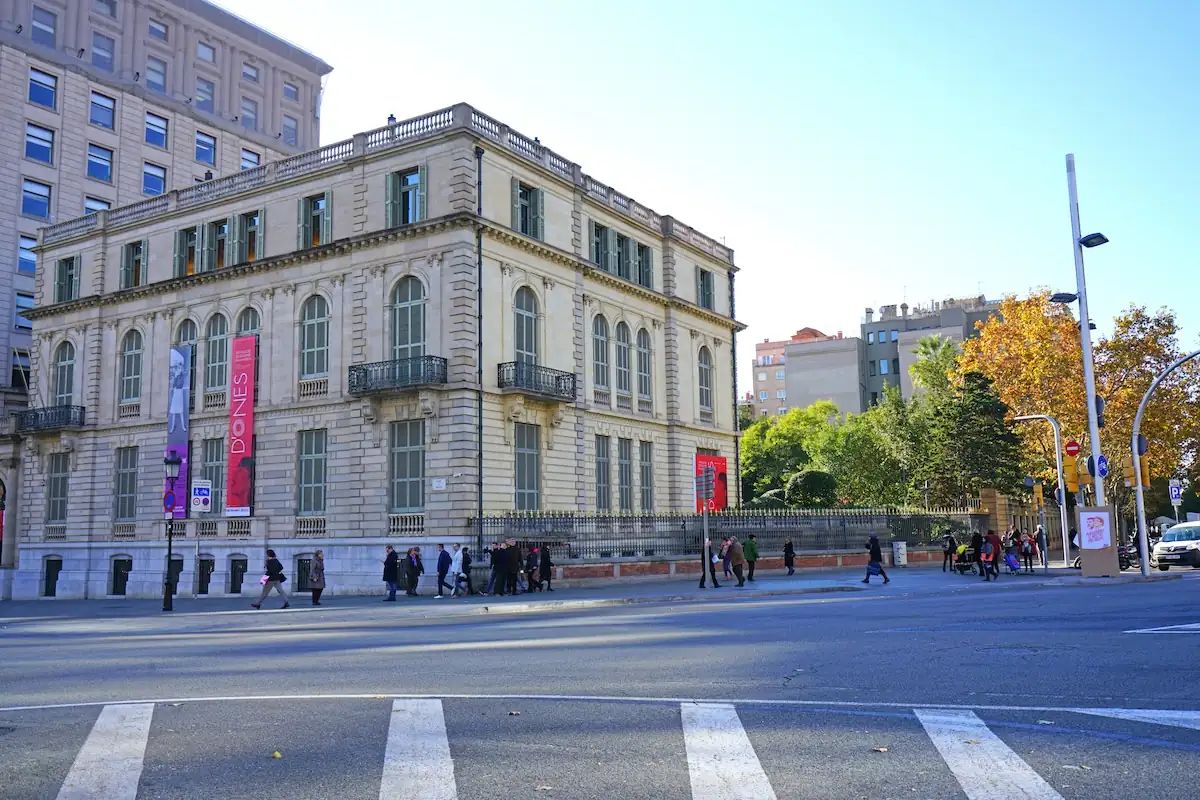
The works are scheduled for summer 2028 and are expected to last around 18 months, so the facility will remain closed until early 2030 if deadlines are met. During this period, the Generalitat is considering temporarily moving cultural activities to other spaces in Barcelona or even to itinerant formats around the region.
The process is not yet finalised. Six teams have submitted bids to draft the basic project, the executive project, and to take on the management of the works. From now, there is a period of about nine months to select the winning proposal and begin the awarding procedures.
The renovation is not just about making the building more attractive. Palau Robert needs to address significant shortcomings in accessibility, ventilation, climate control, electricity, and safety, as well as obtain the activity licence required by current regulations. Planned actions include adapted toilets, improved evacuation routes, updated facilities, and adapting the structure for fire safety.
Once reopened, the building will resume its use as a museum and exhibition space, but with a clearer ambition: to become a meeting place for citizens to reflect on issues related to everyday life, culture, and major social changes. The Generalitat wants Palau Robert to be more than just an information centre in a prime location.
The building, listed as a Bien Cultural de Interés Local, occupies one of the most prominent spots in Barcelona, at the intersection of Passeig de Gràcia and Diagonal. Its history makes it a unique feature in the Eixample landscape: it was commissioned at the end of the XIX century by Robert Robert Surís and, unlike other bourgeois buildings in the area, opted for a more neoclassical rather than modernist style.
For Barcelona, the renovation comes at a time when many cultural facilities are rethinking their role. It's not enough to have a beautiful building on a central avenue: it needs to invite people in, be accessible, and engage with the concerns of the city. If the renovation delivers on its promises, Palau Robert could stop being just an elegant stop on Passeig de Gràcia and become a more lively, useful, and recognisable space for both locals and visitors.