
News
Sau reservoir surprises by reaching almost maximum capacity after the drought
Sau reservoir is nearing 100% capacity after critical months. The recovery of water in Catalonia points to a summer without restrictions. The Ter-Llobregat system is enjoying its best period in years. The landscape has changed radically in only twelve months.
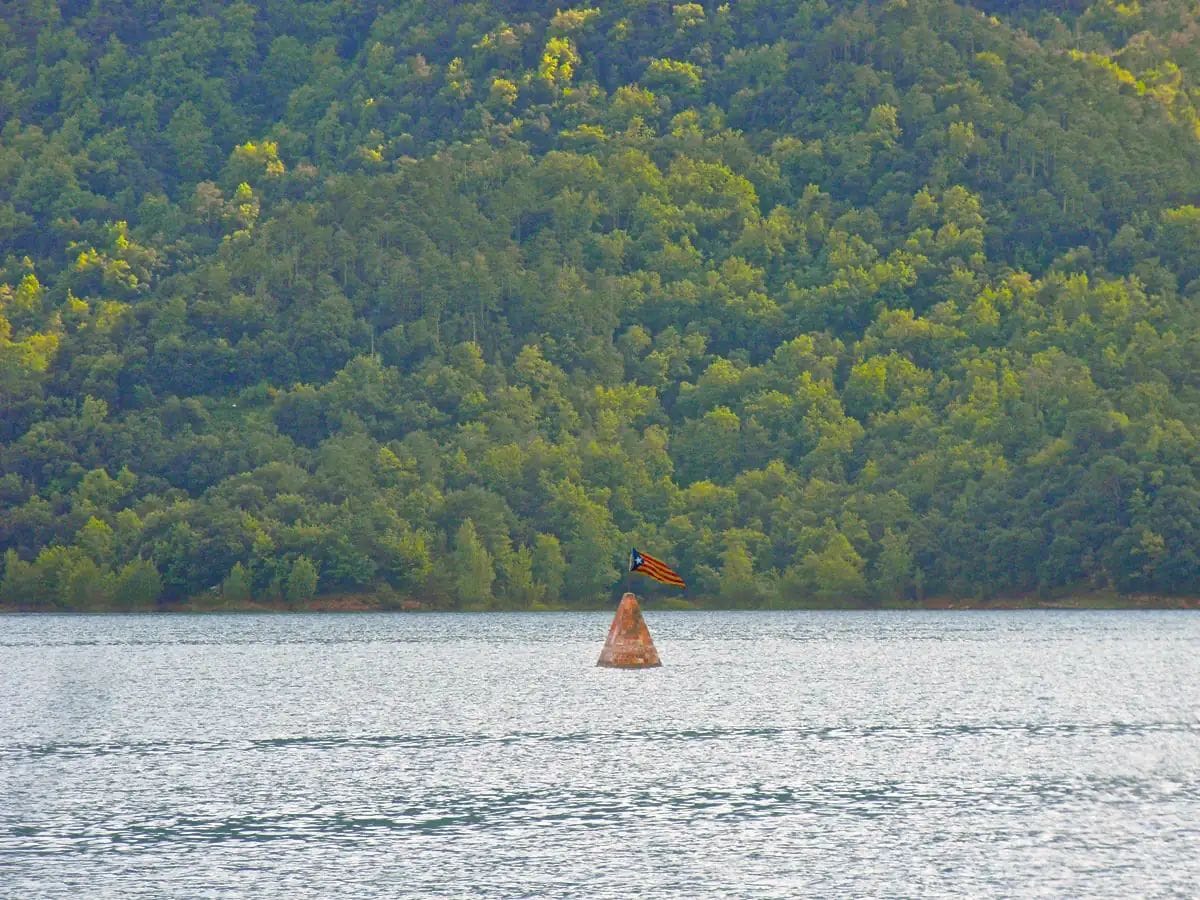
The Sau reservoir is close to 100% of its capacity after critical months. The recovery of water in Catalonia points to a summer without restrictions. The Ter-Llobregat system is enjoying its best moment in years. The landscape has changed radically in just twelve months.
The level of the Sau reservoir marks a before and after for people living in Barcelona and the surrounding area. After months of uncertainty caused by the drought, the Barcelona reservoir stands at 99% of capacity, a figure unthinkable only a year ago. The emblematic church, which emerged from the waters during the water crisis, has been completely submerged, transforming the landscape and restoring peace of mind to those who depend on this resource.
On 7 March, Sau held 164 cubic hectometres of water, a figure that invites optimism just as the summer season approaches. This recovery affects not only everyday life, but also guarantees domestic supply, agricultural irrigation and industrial activity in the coming months.
The Ter-Llobregat system, key to supplying Barcelona, Girona and part of Solsonès, is experiencing an exceptional moment. Its five large reservoirs exceed 90% capacity and together hold more than 500 cubic hectometres. The Foix reservoir has even begun to release water after reaching its maximum level, at a flow of 1.26 cubic metres per second. A year ago, the situation was radically different: reserves barely exceeded 30% and concern was palpable throughout the region.
Rainfall in recent months has changed Catalonia’s water outlook. For the first time in a decade, spring and summer are being faced without fear of restrictions. This abundance of water brings relief to thousands of families, farmers and businesses, who will be able to plan the season with greater confidence and less uncertainty.
The Sau reservoir, in the Osona county, is one of Catalonia’s most recognisable hydraulic landscapes. When it was built in the 1960s, its waters covered the former village of Sant Romà de Sau, leaving homes and streets beneath the reservoir that are now part of its submerged memory. The church tower, visible when the level falls, has become an iconic image over time: it appears during periods of drought as a warning sign of water scarcity. By contrast, when it is completely covered, as it is now, the landscape speaks of recovery and recalls the importance of responsible water-resource management.