
News
The hidden Metro de Madrid corridor that comes back to life as a TV series set
A closed Metro corridor between Noviciado and Plaza de España becomes a set for The Walking Dead. Madrid thus adds a new secret corner to its cultural map. Filming affects urban life and mobility.
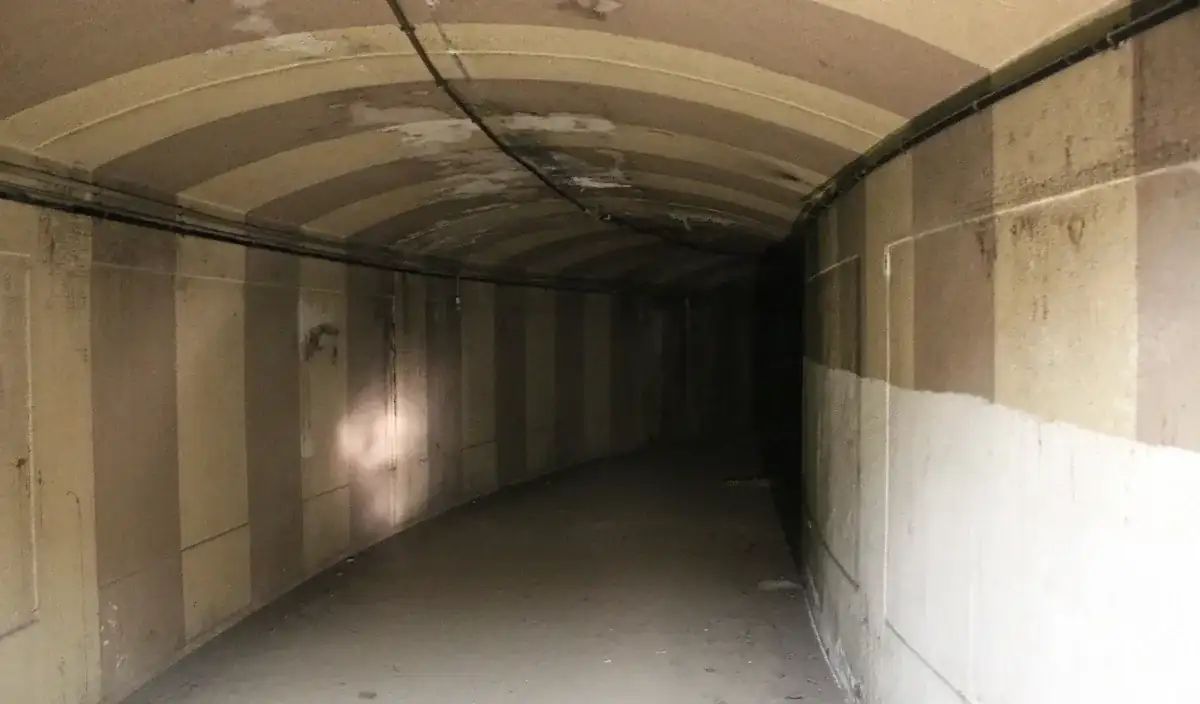
In the heart of the Madrid Metro, between Noviciado and Plaza de España, there is an underground passage that most travellers have never set foot in. Closed since 1978, this forgotten section has remained intact, with its original tiles and signs from another era, as though time had stopped underground. Now, this space is coming back to life, transformed into a setting for the latest season of The Walking Dead: Daryl Dixon.
The choice is no coincidence. The dusty atmosphere and frozen-in-time aesthetic of the passage were a perfect fit for the series' apocalyptic universe. The filming crew transformed the corridor with flickering lights, smoke and rubble, while actors made up as zombies moved through the space alongside Norman Reedus. Plaza de España station was also adapted for the shoot, adding another corner of Madrid to the list of locations in the franchise.
This shoot is not an exception. The Madrid Metro has become a magnet for audiovisual productions: in 2025 alone, the network hosted more than twenty shoots for series, films and advertisements. The company itself has published a map for film enthusiasts, marking stations such as Núñez de Balboa and Paco de Lucía, regular locations in recent shoots. In this way, Madrid's underground railway is becoming established as a versatile setting that is increasingly present in popular culture.
The passage between Noviciado and Plaza de España cannot be visited, unlike the ghost station of Chamberí. However, its existence adds a layer of mystery and memory to the urban fabric. For those who live in and move around Madrid, these closed spaces are a reminder that the city hides stories beneath the surface, waiting to be rediscovered.
Beyond its function as an artery of mobility, the Madrid Metro reflects the evolution of the city and its customs. From its first lines to its most recent extensions, every station and passage tells part of the urban story. The occasional opening of closed spaces for shoots or cultural events shows how Madrid reuses its heritage, adapting it to new ways of life and expression. The city adjusts its rhythm once again, integrating past and present into every journey.