
News
Tetuán residents reject urban plan that could double housing in already saturated areas
The urban future of Tetuán is once again causing concern among its residents. The draft of the new Plan Estratégico Municipal proposes increasing housing density in the city, and in one of the most populated districts, the reaction has been immediate: locals say the neighbourhood has already reached its limit.
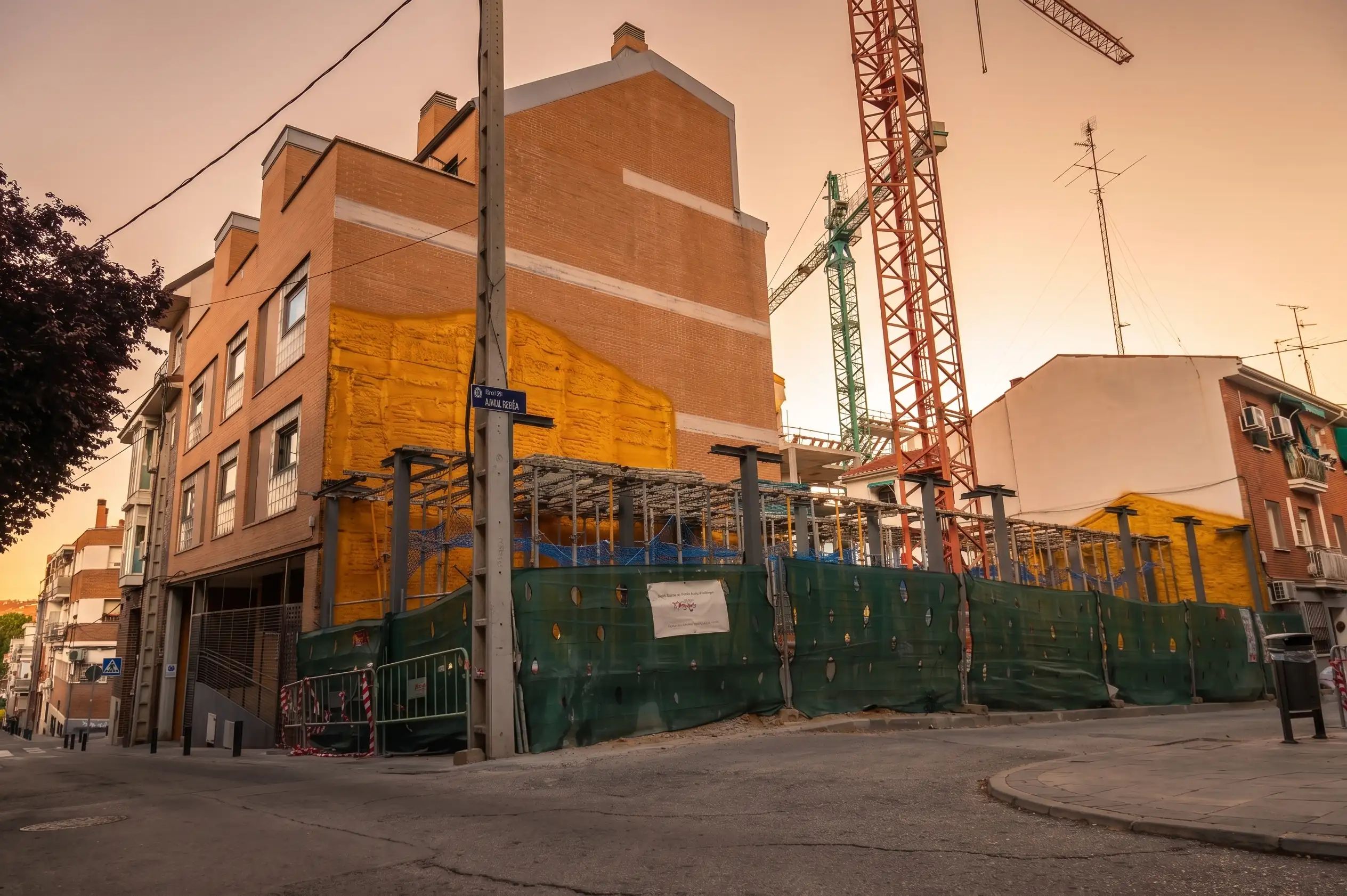
With nearly 170,000 inhabitants in just over five square kilometres, Tetuán is the densest district in Madrid. Neighbourhood associations—such as Cuatro Caminos-Tetuán or Ventilla-Almenara—warn that any new development would worsen already visible problems: lack of facilities, shortage of green spaces, and constant pressure on public space.
The opposition is backed by concrete data. The district has barely twenty green areas, and many streets, especially in neighbourhoods like Berruguete or Valdeacederas, lack trees. The lack of sports facilities means that squares are used as improvised play areas, while recent growth—25 buildings in three years—has further reduced the available space.
Added to this is the rising cost of housing and the transformation of the urban fabric. Commercial premises converted into flats, an increase in tourist apartments, and new developments have changed the neighbourhood’s profile. For many residents, the problem is not just how much is being built, but for whom.
The City Council insists that the plan does not yet define specific actions, but the debate is already on the streets. Residents fear that Tetuán could become a priority target due to its strategic location between the centre and the north of the capital.
What is at stake is not just the number of homes, but the balance of the neighbourhood. More density without new services could mean less space, more noise, and greater pressure on daily life. In a district where every metre counts, any urban planning decision has an immediate effect on how people live, interact, and remain in the neighbourhood.