
News
Saharan dust transforms the air and rain in Madrid this week
The arrival of Saharan dust affects air quality in almost every neighbourhood. If it rains, it will be mud. The phenomenon affects health, mobility and daily routines. Madrid adapts its pace to Saharan dust.
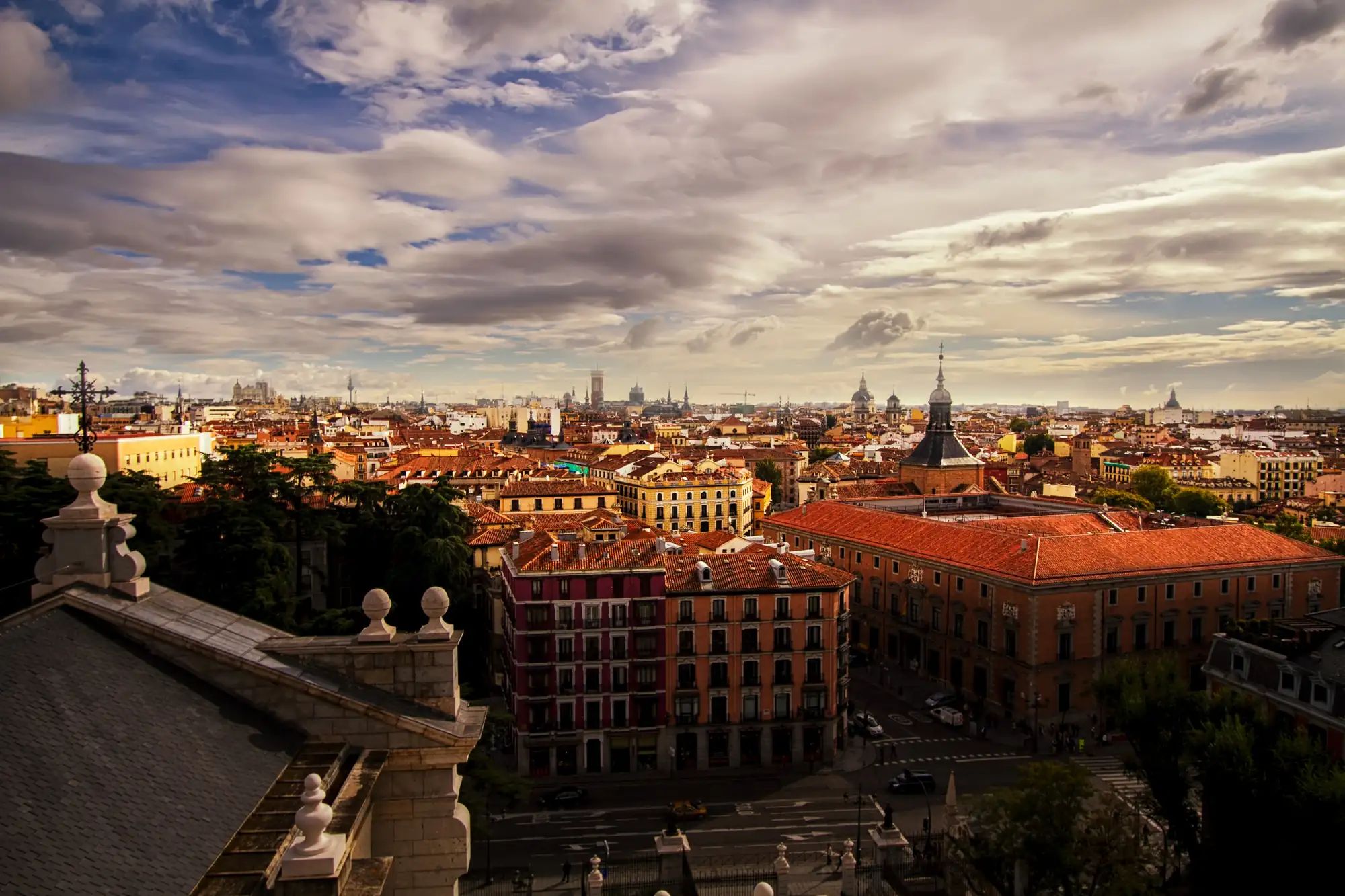
Madrid begins the week with a visible change in the atmosphere: haze from the Sahara blankets the city and affects both the air we breathe and the way we get around. The State Meteorological Agency has warned that, overnight and on Tuesday, the intrusion of Saharan dust will take centre stage. If a few drops fall, what reaches the ground will be mud, not clean rain.
The phenomenon will be especially noticeable in the skies, which will look hazy across the whole region. In addition, light and scattered rainfall is expected, first in the Sierra and, throughout the day, in the rest of the region. This rain, mixed with airborne dust, will leave muddy marks on cars, terraces and pavements.
The situation will persist on Wednesday, with skies still covered by haze and rain that could be locally moderate in the afternoon. Isolated storms cannot be ruled out, especially in the centre and the Sierra, where patchy fog could also form at the end of the day.
Air quality is suffering in almost every district. According to municipal data, 19 of Madrid’s 21 neighbourhoods show fair levels, from Vicálvaro to Barajas. Only Fuencarral-El Pardo and part of Moncloa-Aravaca retain values considered good. In this situation, it is recommended to reduce outdoor physical activity, choose public transport and, in the event of respiratory problems, wear a mask.
Saharan dust affects not only health, but also sectors such as agriculture, transport and solar energy. The city is already starting to adjust its pace: those planning outdoor activities or journeys should take the haze and its effects into account. Madrid is adapting, once again, to changes arriving from the south.
Haze is a recurring phenomenon on the Peninsula, but in Madrid its impact is felt especially because of urban density and constant activity. When African dust crosses the Mediterranean, it transforms the light, the colour of the sky and the perceived temperature. Haze episodes often coincide with public health warnings and changes to mobility, reminding us that the city is always exposed to outside influences, even hundreds of kilometres away.