
News
The Pope's visit disrupts the routine of residents and shops in el Raval
The visit of Papa León XIV to Barcelona is already being felt in el Raval before it even begins. Shops, bars, and workers in the neighbourhood fear restricted access, blocked streets, and unexpected closures in an area where every hour of activity matters.
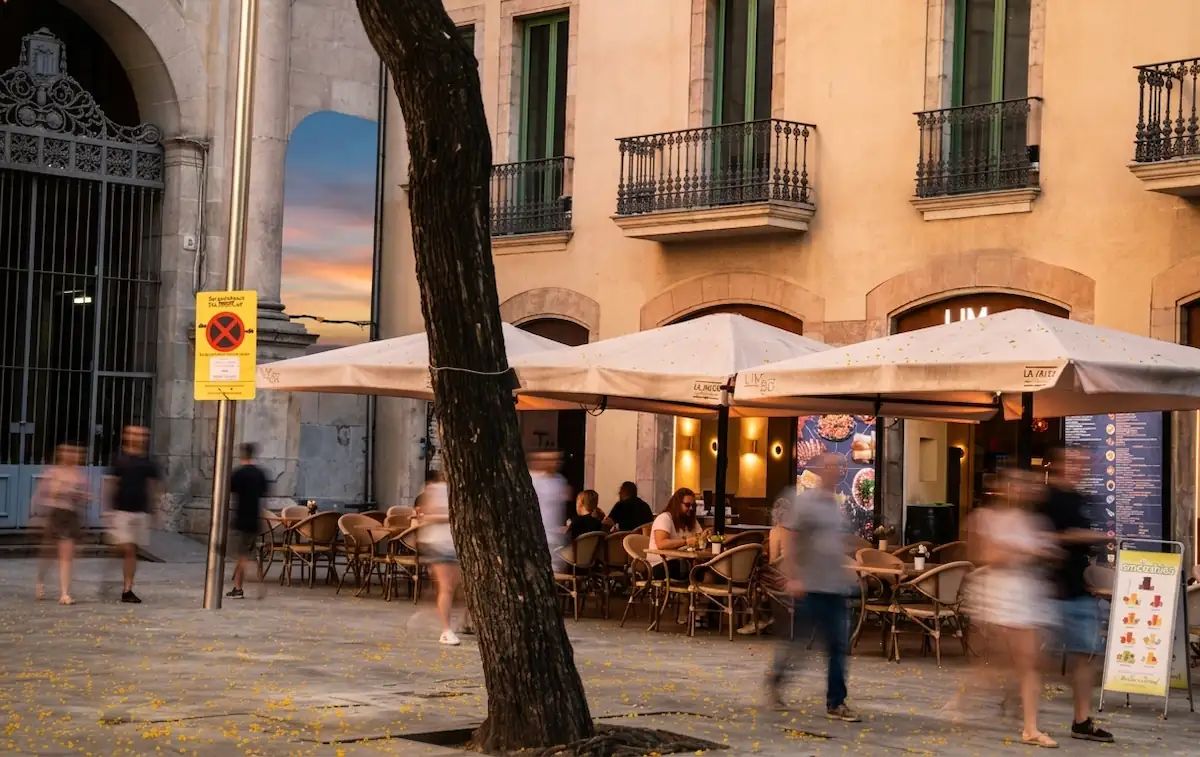
Concern is concentrated especially around Plaça de Sant Agustí, one of the key points of the Pontiff's passage through the neighbourhood. Many nearby businesses still do not know whether they will be able to open normally, receive suppliers or keep their shifts during the hours of greatest police control.
The lack of clear information is weighing most heavily these days. Some shopkeepers have brought orders forward to avoid being left without leeway if access is limited. Others are considering closing for part of the day so as not to find themselves with shutters open, staff scheduled and customers unable to get there.
The impact also reaches workers. Waiters, shop assistants and employees of small businesses wonder whether they will be able to enter and leave the neighbourhood, return home or collect their children without being trapped by the security operation. In an area as dense as Raval, any closure changes the routine of many families.
Several establishments are considering closing between 12:00 and 18:00, the hours expected to be most difficult. For premises closest to the parish church, opening may be of little use if streets are fenced off, access is reduced and normal activity becomes difficult.
The visit will also have an important social dimension. The Pope will remain in Barcelona for 36 hours, with events at Sagrada Família and meetings with more than 90 Raval organisations. Parroquia de Sant Agustí will be one of the prominent settings because of its links with projects that work daily with vulnerable groups.
In the neighbourhood, the mood blends curiosity, pride and anticipated weariness. The arrival of a figure of worldwide significance puts Raval at the centre of attention, but also forces a reorganisation of shopping, shifts, terraces, deliveries and journeys.
For those who live or work there, the key is not only the visit itself, but knowing how to get around that day. If closures are confirmed late or communicated poorly, Raval could go from being the setting for a historic event to experiencing a difficult day for its commerce and everyday life.